
Oil on canvas Signed 53 x 106 cm
Oil on canvas Signed 53 x 106 cm
Oil on canvas Signed 53 x 106 cm
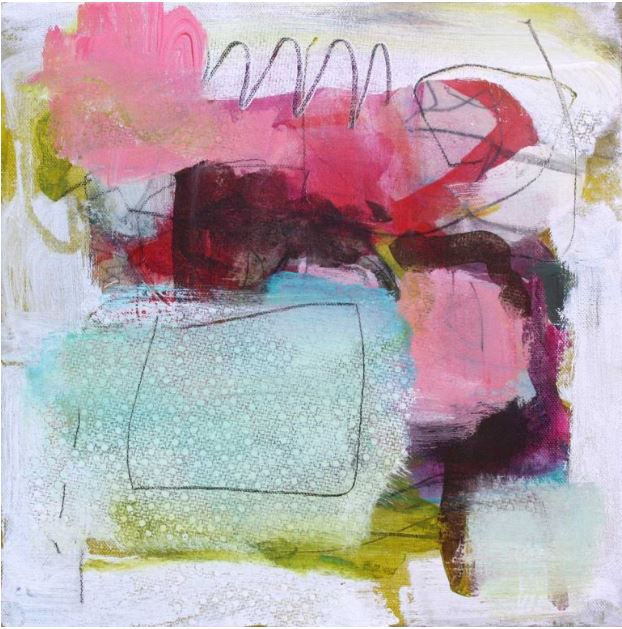
Acrylic on canvas 30.5 x 30.5 cm
Acrylic on canvas 30.5 x 30.5 cm
Acrylic on canvas 30.5 x 30.5 cm
Acrylic on canvas 30.5 x 30.5 cm
Acrylic on canvas 30.5 x 30.5 cm
Oil on canvas Signed 53 x 106 cm

Oil on Canvas 47.6 x 48.3 cm
Oil on Canvas 47.6 x 48.3 cm

Gouache on Paper 75 x 55 cm

Gouache on Paper 75 x 55 cm
Gouache on Paper 75 x 55 cm
Gouache on Paper 75 x 55 cm

Acrylic on Canvas 91.4 cm x 61 cm Signed lower right; titled and dated verso; unframed
Acrylic on Canvas 91.4 cm x 61 cm Signed lower right; titled and dated verso; unframed
Acrylic on Canvas 91.4 cm x 61 cm Signed lower right; titled and dated verso; unframed
Acrylic on Canvas 91.4 cm x 61 cm Signed lower right; titled and dated verso; unframed

Acrylic on Canvas 91.4 cm x 61 cm Dated 1996 Signed lower right, Titled and dated verso, Unframed
Northwest Coast
Inuit Sculpture Artist Unknown

Sedna Soapstone
Sedna Soapstone

High Fired Pottery 27.5 cm x 18.7 cm x 18.7 cm

Acrylic Painted Skull 44 cm x 20 cm

Oil on canvas Signed; Numbered 12-06 76 x 58 cm
Oil on canvas Signed; Numbered 12-06 76 x 58 cm
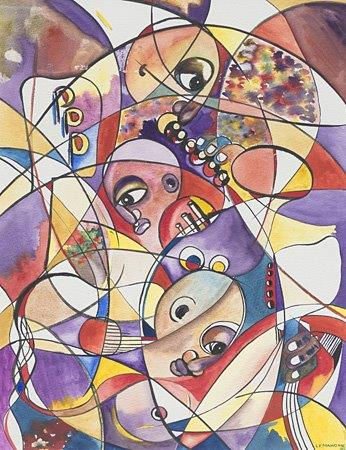
Watercolor Signed Dated 1993 36 x 28cm
Watercolor Signed Dated 1993 36 x 28cm
Watercolor Signed Dated 1993 36 x 28cm
Watercolor Signed Dated 1993 36 x 28cm

Rosewood Tables 78 cm x 150 cm x 54.5 cm
Rosewood Tables 78 cm x 150 cm x 54.5 cm
Rosewood Tables 78 cm x 150 cm x 54.5 cm
Rosewood Tables 78 cm x 150 cm x 54.5 cm
Rosewood Tables 78 cm x 150 cm x 54.5 cm
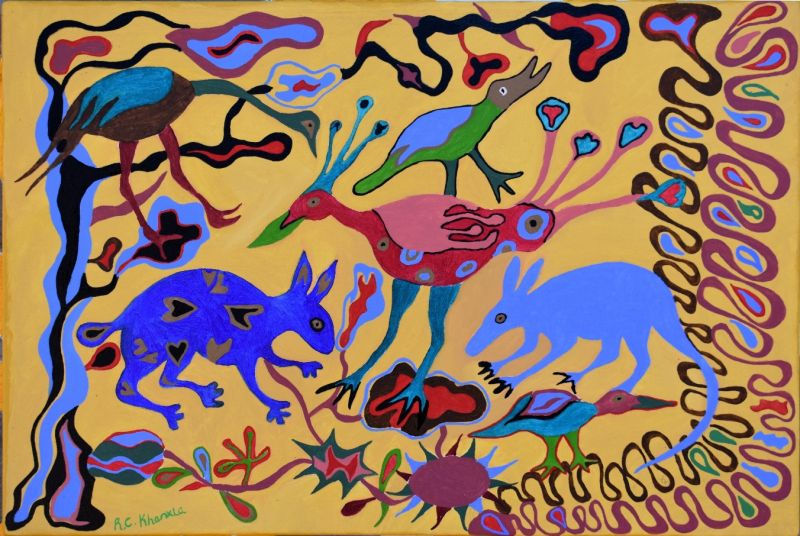
Oil on canvas 57.2 x 85.5 cm

Oil on Board Signed Dated 1962 90 cm x 65 cm
Oil on Board Signed Dated 1962 90 cm x 65 cm

Coloured pencil on paper 24.1 x 18.4 cm 2015
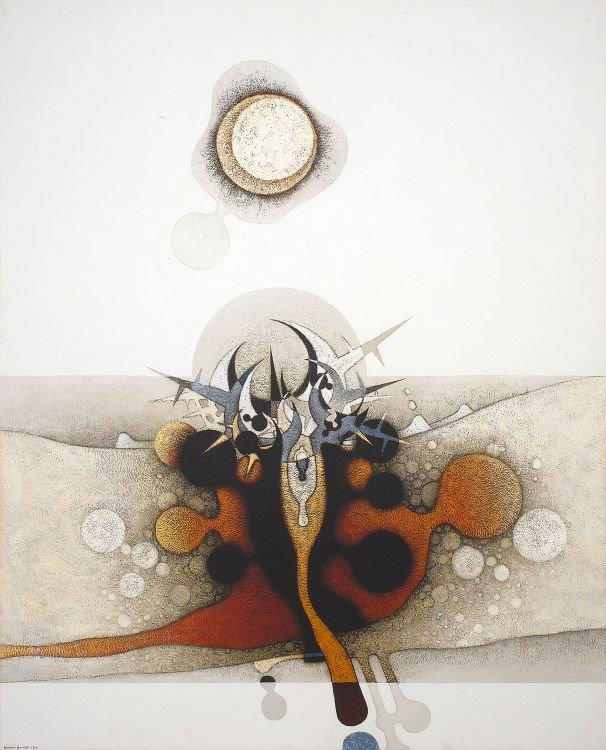
Sunburst Mixed Media on Board 122.5 x 99 cm
Sunburst Mixed Media on Board 122.5 x 99 cm
Bobbie Burgers
Bobbie Burgers is a contemporary Canadian painter. Her lush and Expressionistic depictions of flowers teeter on the verge of abstraction, bursting with bright color and laden with thickly applied, textural paint. “Flowers, to me, are the opposite of still,” the artist has explained. “Changing from minute to minute, they are perfect symbols for life, death, yearning, and beauty. My brushstrokes are layered with my own internal charges, depicting anger, frustration, softness, wanting, and more.” Born in 1973 in Vancouver, Canada, she studied Art History at the University of Victoria in British Columbia. Her work has been exhibited widely at home and abroad, notably including Art Market San Francisco and Equinox Gallery. Today, her works are in the collections of the Berost Corporation in Toronto and the Royal Bank of Canada, among others. Burgers lives and works in Vancouver, Canada.
Bobbie Burgers
Bobbie Burgers is a contemporary Canadian painter. Her lush and Expressionistic depictions of flowers teeter on the verge of abstraction, bursting with bright color and laden with thickly applied, textural paint. “Flowers, to me, are the opposite of still,” the artist has explained. “Changing from minute to minute, they are perfect symbols for life, death, yearning, and beauty. My brushstrokes are layered with my own internal charges, depicting anger, frustration, softness, wanting, and more.” Born in 1973 in Vancouver, Canada, she studied Art History at the University of Victoria in British Columbia. Her work has been exhibited widely at home and abroad, notably including Art Market San Francisco and Equinox Gallery. Today, her works are in the collections of the Berost Corporation in Toronto and the Royal Bank of Canada, among others. Burgers lives and works in Vancouver, Canada.
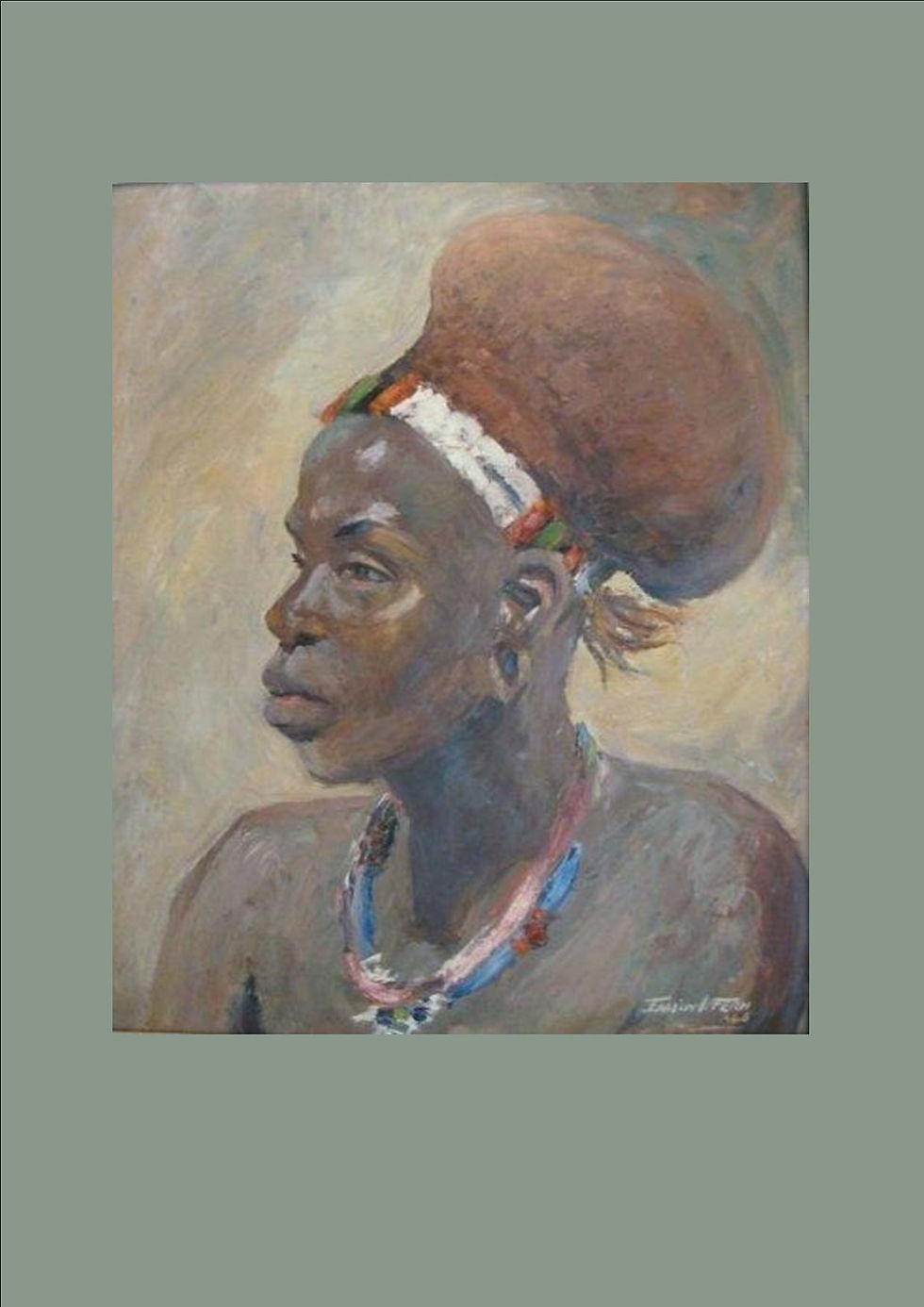
Oil on canvas Signed 32 x 39 cm
Oil on canvas Signed 32 x 39 cm

Oil on board 44 cm x 45 cm
Oil on board 44 cm x 45 cm

Oil on Canvas Dated 2012 75 cm x 57cm
Oil on Canvas Dated 2012 75 cm x 57cm

Oil Signed .Titled 88 x 120 cm
Oil Signed .Titled 88 x 120 cm

Mixed Media and Collage on canvas Signed Dated 16 163 cm x 160 cm
Mixed Media and Collage on canvas Signed Dated 16 163 cm x 160 cm
Mixed Media and Collage on canvas Signed Dated 16 163 cm x 160 cm

Oil on canvas Signed 53 x 106 cm

Acrylic on Board Signed 44 cm x 40 cm
Acrylic on Board Signed 44 cm x 40 cm

Colour Pencil on Paper Signed 16 cm x 11 cm
High Fired Pottery 27.5 cm x 18.7 cm x 18.7 cm

Signed Oil 24 cm x 35 cm
Contemporary South African Art
Sivuak, Paulosie
Eskimo art is not just imagination; it really shows how hard the old Eskimo life was. . . . Since Eskimo artists can’t speak your language, they tell you, with their art, how their grandfathers struggled . . .”
(Pauloosie Sivuak in Inuit Artists’ Biographies, 1968)
ROOTS
Resided in Puvirnituq, but also lived in Kangiqsujuaq.
WHEN AND HOW HE GOT STARTED
Sivuak learned to carve by watching his older brother, Koperqualuk. He was also inspired by James Houston and the success of his predecessors in Inukjuak, who traded their stone and ivory carvings to people aboard the supply ship Nascopie. He carved his first piece in 1948 or 1949 and shortly thereafter produced an additional sculpture of two otters pegged to a base, which he carved with a pocket knife and sold to the Hudson’s Bay Company.
INFLUENCES
Sivuak greatly admired the carvings of his older brother and also remembers being impressed by the works of Noah Kenoua, a physically disabled carver who lived in a different camp, but also sold his work to the Hudson’s Bay Company (Mitchell 1995:55). He also recalls seeing James Houston’s instructional pamphlet Eskimo Handicrafts (published in 1951 by the Canadian Handicrafts Guild and widely circulated throughout the North), but says: “I remember that I didn’t follow the advice in there [the booklet] because I didn’t like the drawings at all” (ibid.).
MEDIA
At the beginning of his career, Sivuak focussed exclusively on carving, but later branched out to printmaking when the local co-op was established in the early 1960s.
HOW HE WORKED
“When I have to work with a stone, I follow the shape first of the stone. I try to figure out how it’s going to look, and which side should be the bottom” (Sivuak in Mitchell 1998: 54). Sivuak experimented with a variety of tools and remembered using ulus, pocket knives, files, and handmade chisels to produce his work.
THEMES
Best known for his realistic portrayals of birds, otters, bears, and other arctic animals, Sivuak also occasionally included igloos and images of mothers and children in his work.
UNIQUENESS
He is known for his fluid portrayals of wildlife in stone, while his works on paper tend to feature more stylized, flattened interpretations of the same subject matter.
SIGNIFICANT ACHIEVEMENTS
Sivuak was involved in establishing the cooperative in Puvirnituq, and became its first manager in 1962. In 1967, he served as a director of La Fédération des Coopérative du Nouveau-Québec and, later, as president of Inuit Tungavingai Nunamimi, the movement opposed to the James Bay Agreement. His work has been featured in numerous exhibitions throughout Canada and the United States and is included in important public collections including those of the Canadian Museum of Civilization (Ottawa), the Dennos Museum Centre (Michigan), the Glenbow Museum (Calgary), the Musée du Quebec, the Art Gallery of Greater Victoria, the Winnipeg Art Gallery, and the Royal Ontario Museum (Toronto).
A special memorial section of the annual Povungnituk Print Collection was devoted to Sivuak’s work in 1987.
ARTISTIC DEVELOPMENT
One of Puvirnituq’s foremost sculptors, Sivuak carved regularly throughout the late 1940s and the early 1950s. In 1955, he left the community for two years of treatment at a southern hospital. When he returned, he discovered that Puvirnituq carvers had acquired better tools and had progressed to the point at which they could more often carve whole or complete subjects, without the use of pegs and separate bases. “I felt I had to do the same. I had to learn” (Sivuak in Mitchell 1995:54). After this point, Sivuak’s work is noticeably more accomplished, and tends toward more complex positioning of figures and the intentional incorporation of negative space.
Sivuak was not a prolific printmaker, contributing only six prints from 1962 to 1980. In the 1980s, however, he “produced a profusion of drawings, which were translated into 42 prints and featured in five catalogue collections” (Barz 1990).
REFERENCES
http://art.avataq.qc.ca/artists/profile/paulosie-sivuak
Barz, Sandra
1990 “Canadian Inuit Artists/Printer Biographies,” in Inuit Artists’ Biographies. Gatineau: Indian and Inuit Art Centre.
Indian and Northern Affairs Canada
1997 Inuit Artists’ Biographies. Gatineau: Inuit Art Section, Indian and Northern Affairs Canada.
Mitchell, Marybelle
1998 “Making Art in Nunavik: A Brief Historical Overview,” Inuit Art Quarterly (IAQ), vol. 13, no. 3 (Fall): 4–17.
1995 “Paulosie Sivuak Talks about the Beginning of Carving in Povungnituk,” Inuit Art Quarterly (IAQ), vol. 10, no. 4 (Winter): 52–59.
