
Oil on canvas Signed 53 x 106 cm
Oil on canvas Signed 53 x 106 cm
Oil on canvas Signed 53 x 106 cm
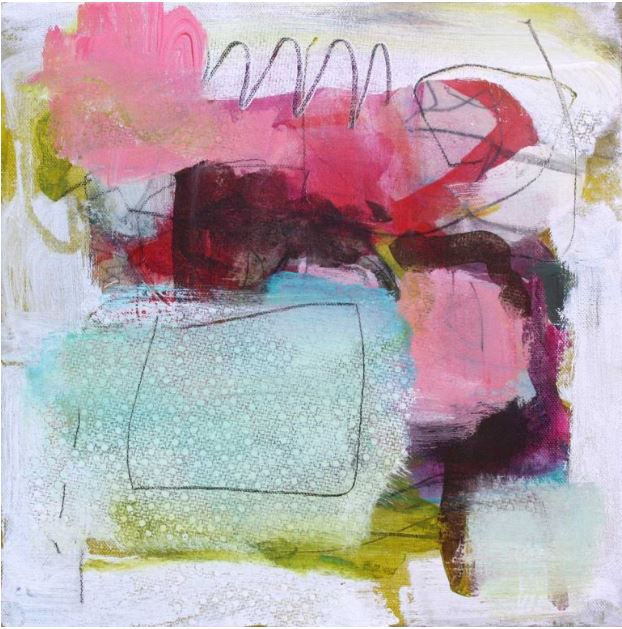
Acrylic on canvas 30.5 x 30.5 cm
Acrylic on canvas 30.5 x 30.5 cm
Acrylic on canvas 30.5 x 30.5 cm
Acrylic on canvas 30.5 x 30.5 cm
Acrylic on canvas 30.5 x 30.5 cm
Oil on canvas Signed 53 x 106 cm

Oil on Canvas 47.6 x 48.3 cm
Oil on Canvas 47.6 x 48.3 cm

Gouache on Paper 75 x 55 cm

Gouache on Paper 75 x 55 cm
Gouache on Paper 75 x 55 cm
Gouache on Paper 75 x 55 cm

Acrylic on Canvas 91.4 cm x 61 cm Signed lower right; titled and dated verso; unframed
Acrylic on Canvas 91.4 cm x 61 cm Signed lower right; titled and dated verso; unframed
Acrylic on Canvas 91.4 cm x 61 cm Signed lower right; titled and dated verso; unframed
Acrylic on Canvas 91.4 cm x 61 cm Signed lower right; titled and dated verso; unframed

Acrylic on Canvas 91.4 cm x 61 cm Dated 1996 Signed lower right, Titled and dated verso, Unframed
Northwest Coast
Inuit Sculpture Artist Unknown

Sedna Soapstone
Sedna Soapstone

High Fired Pottery 27.5 cm x 18.7 cm x 18.7 cm

Acrylic Painted Skull 44 cm x 20 cm

Oil on canvas Signed; Numbered 12-06 76 x 58 cm
Oil on canvas Signed; Numbered 12-06 76 x 58 cm
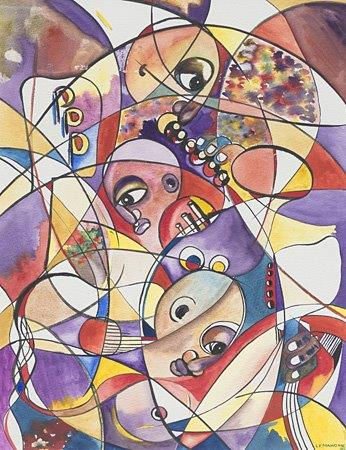
Watercolor Signed Dated 1993 36 x 28cm
Watercolor Signed Dated 1993 36 x 28cm
Watercolor Signed Dated 1993 36 x 28cm
Watercolor Signed Dated 1993 36 x 28cm

Rosewood Tables 78 cm x 150 cm x 54.5 cm
Rosewood Tables 78 cm x 150 cm x 54.5 cm
Rosewood Tables 78 cm x 150 cm x 54.5 cm
Rosewood Tables 78 cm x 150 cm x 54.5 cm
Rosewood Tables 78 cm x 150 cm x 54.5 cm
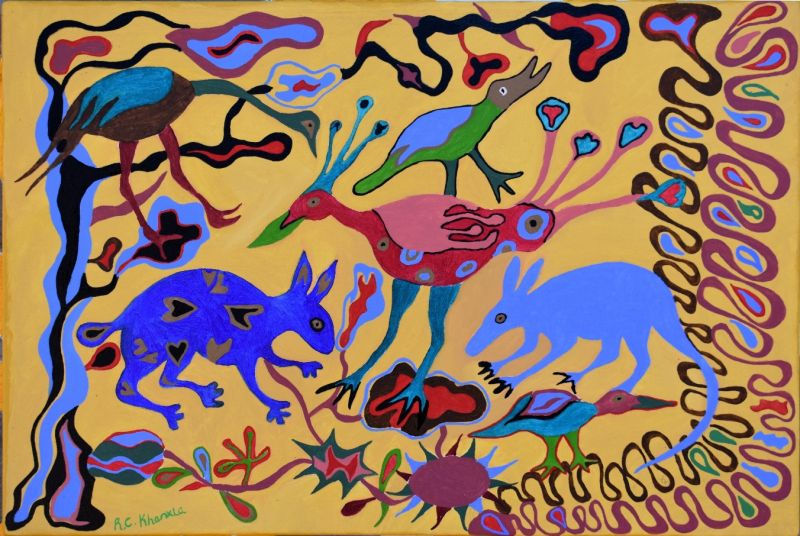
Oil on canvas 57.2 x 85.5 cm

Oil on Board Signed Dated 1962 90 cm x 65 cm
Oil on Board Signed Dated 1962 90 cm x 65 cm

Coloured pencil on paper 24.1 x 18.4 cm 2015
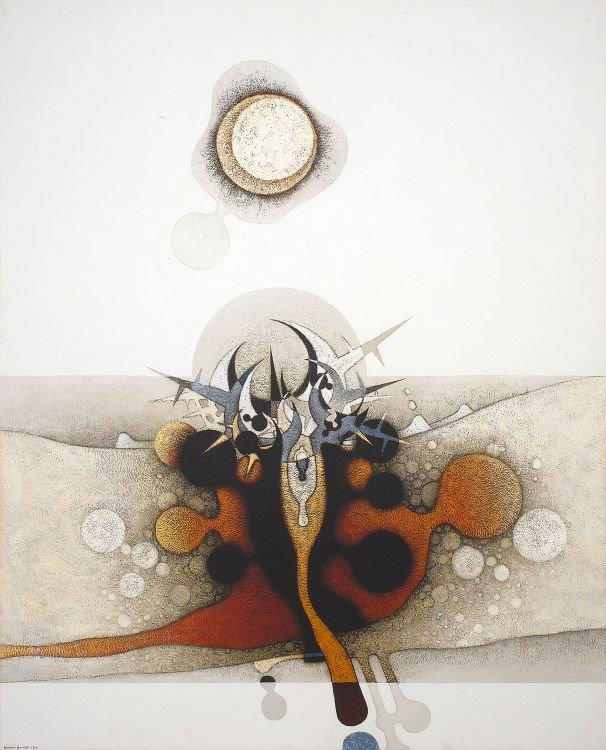
Sunburst Mixed Media on Board 122.5 x 99 cm
Sunburst Mixed Media on Board 122.5 x 99 cm
Bobbie Burgers
Bobbie Burgers is a contemporary Canadian painter. Her lush and Expressionistic depictions of flowers teeter on the verge of abstraction, bursting with bright color and laden with thickly applied, textural paint. “Flowers, to me, are the opposite of still,” the artist has explained. “Changing from minute to minute, they are perfect symbols for life, death, yearning, and beauty. My brushstrokes are layered with my own internal charges, depicting anger, frustration, softness, wanting, and more.” Born in 1973 in Vancouver, Canada, she studied Art History at the University of Victoria in British Columbia. Her work has been exhibited widely at home and abroad, notably including Art Market San Francisco and Equinox Gallery. Today, her works are in the collections of the Berost Corporation in Toronto and the Royal Bank of Canada, among others. Burgers lives and works in Vancouver, Canada.
Bobbie Burgers
Bobbie Burgers is a contemporary Canadian painter. Her lush and Expressionistic depictions of flowers teeter on the verge of abstraction, bursting with bright color and laden with thickly applied, textural paint. “Flowers, to me, are the opposite of still,” the artist has explained. “Changing from minute to minute, they are perfect symbols for life, death, yearning, and beauty. My brushstrokes are layered with my own internal charges, depicting anger, frustration, softness, wanting, and more.” Born in 1973 in Vancouver, Canada, she studied Art History at the University of Victoria in British Columbia. Her work has been exhibited widely at home and abroad, notably including Art Market San Francisco and Equinox Gallery. Today, her works are in the collections of the Berost Corporation in Toronto and the Royal Bank of Canada, among others. Burgers lives and works in Vancouver, Canada.
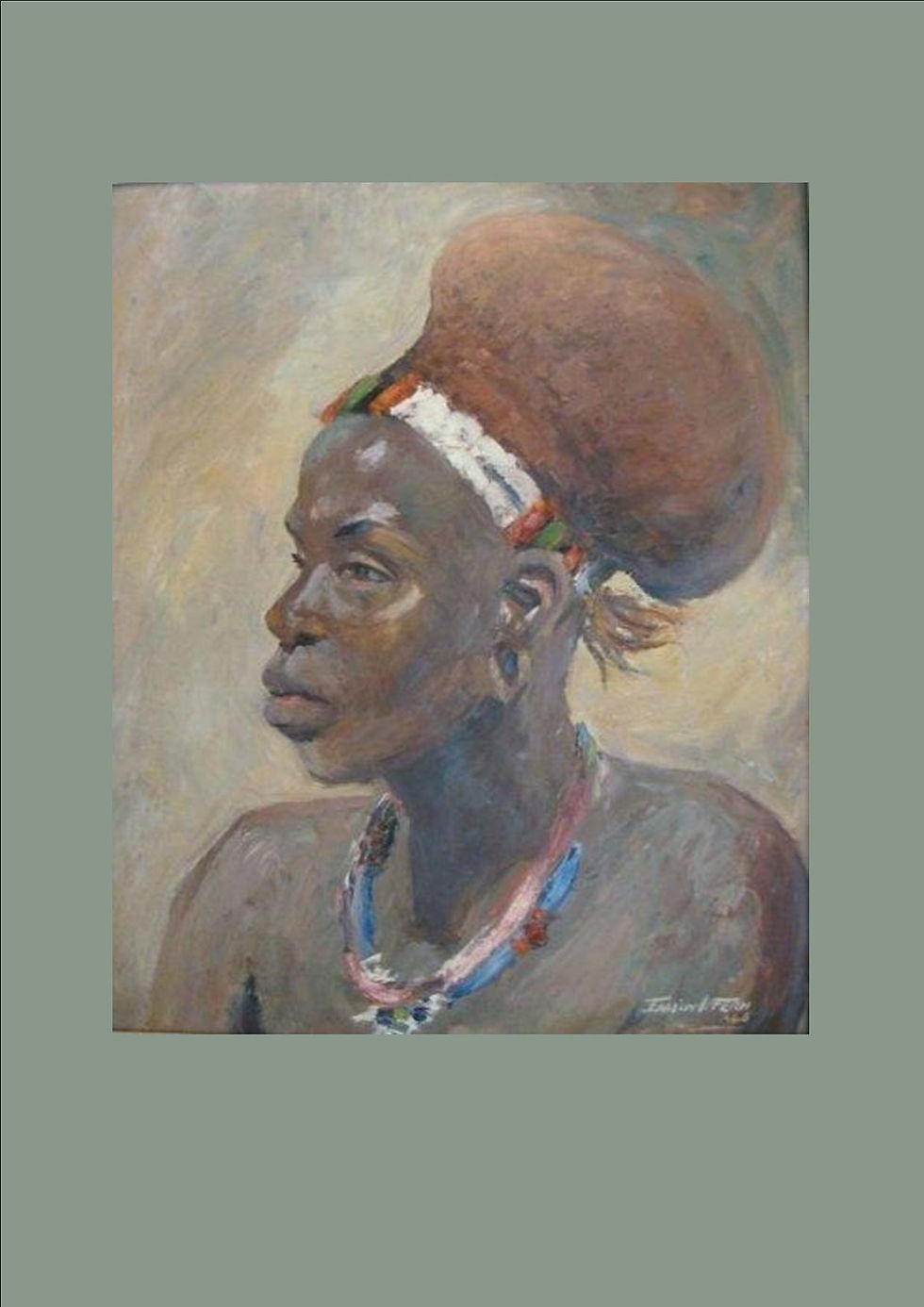
Oil on canvas Signed 32 x 39 cm
Oil on canvas Signed 32 x 39 cm

Oil on board 44 cm x 45 cm
Oil on board 44 cm x 45 cm

Oil on Canvas Dated 2012 75 cm x 57cm
Oil on Canvas Dated 2012 75 cm x 57cm

Oil Signed .Titled 88 x 120 cm
Oil Signed .Titled 88 x 120 cm

Mixed Media and Collage on canvas Signed Dated 16 163 cm x 160 cm
Mixed Media and Collage on canvas Signed Dated 16 163 cm x 160 cm
Mixed Media and Collage on canvas Signed Dated 16 163 cm x 160 cm

Oil on canvas Signed 53 x 106 cm

Acrylic on Board Signed 44 cm x 40 cm
Acrylic on Board Signed 44 cm x 40 cm

Colour Pencil on Paper Signed 16 cm x 11 cm
High Fired Pottery 27.5 cm x 18.7 cm x 18.7 cm

Signed Oil 24 cm x 35 cm
Contemporary South African Art
Sithole, Lucas
Lucas Sithole was born and grew up in KwaThema, Springs, Transvaal (now Gauteng). He was one of ten sons of a Zulu lay priest in the Zion Christian Church, Richard Ndlala Sithole, and a Swazi mother whose name could not be ascertained. His given Zulu name was Ncane meaning “small”. He disliked that name and called himself Ted or Teddy, a name reflected in the signature of one of his very early works. Later he was also known as Lucas Thandokwazi Sithole. From the age of six he lived with his Swazi grandmother, Tsayi Numvumi, who was of royal blood and was a famous potter. He played with clay and liked to make animals, people and other figures. His grandmother influenced him to a large extent. She encouraged him and fired his imagination with legends about spirits and creatures of the night. These legends and stories had a profound influence on his art.
Sithole attended the St Louis Catholic school, where he completed Standard 6 (now Grade 8). He received a Springs Rotary Club bursary for occupational training at Vlakfontein Technical College. As there was no teacher available at the time he could not study sculpture, for which he had enrolled. The time was not wasted, however, as he studied carpentry, chiselling, welding and other crafts and trades. He learned about the qualities of wood and the tools to use for sculpting. After three years he started to work at a soap factory and even mixed concrete for a builder; however he spent his spare time carving and experimenting with paint.
He attended the Polly Street Art Centre from 1959 to 1960, where he studied painting and sculpture with Cecil Skotnes. This was the turning point in his career.
At first Sithole experimented with two and three dimensions, using paint, stone, wood, liquid steel, bronze and combinations of materials.His most well known works were done in mainly indigenous woods, as according to him; stone was just a material, clay was too fragile and metal lacked warmth, while in the broken trunks of trees he saw analogies with life and humanity. He painstakingly searched for his own wood, but never cut down or damaged a tree. He combed the woods of Zululand on the Swazi border for old and twisted trunks seasoned by nature – sometimes even damaged by fires or tornadoes
From 1958 to 1974, his prevalent subject matter was animals and human beings. Some were frightening, others thin and attenuated. As he developed his work became increasingly distorted and more complex. This was largely due to his beliefs, emotions and the mythology that guided him and his concepts of universal humanity. Sculpture surfaces were sometimes highly polished and at other times pitted and coarse to heighten the emotional and dynamic potential and to intensify the mystical and dreamlike quality of his work.
Sithole produced a number of works in sandstone from 1973 to 1977, once again, allowing the material to dictate the form. He was becoming more and more interested in abstract and open sculpture.
To be closer to nature and escape his numerous visitors, he moved to Pongoland, Zululand, in 1980. His family remained in Springs. His new home was situated near Pongola, a small town on the borders of the Transvaal districts of Paulpietersburg and Piet Retief and the Natal districts of Ngotshe, Ubombo and Ingwavuma. The move away from the city marked the beginning of a very varied and prolific period in Sithole’s work, the barriers between realism, mythology and dreams started fading away. Sithole said of the ‘traditional African vs. contemporary’ nature of his work; “My art is African. I am an African whose imagination is definitely influenced by the beliefs of my people which I absorbed as a child. But when it comes to the emotions experienced by humanity, we are not all that different from each other.” He saw his themes as largely universal. Prof. E.J. de Jager, in SA Panorama, Aug. 1975, commented that his art was based on “strong social realism and understanding of the dilemma of modern man ..."
Lucas SITHOLE in 1978 discussing his sculpture "Working together", 1978 - ref. LS7807 - which represents people exchanging knowledge(represented by the upper container) thus forming one working unit (two heads - one with cap, one without - two pairs of hands but only one pair of legs). Picture: www.sithole.com
Sithole often gave an explanation as to why he made his sculptures, by recounting the story, mainly from African mythology, which inspired him to make the specific carving. He was very critical of his own work; If he did not succeed in restoring life to the dead trees, in his own view, he destroyed it. He created more than 800 sculptures, of which about 200 are in collections in the Americas and in Europe. Though he exhibited internationally, he did not travel abroad. The only exceptions being visits to Lesotho and Swaziland.
Sithole died on 8 May 1995, he had seven children with his wife Johanna. Sithole created sculpture ‘that is forceful, independent and individual’. As Marilyn Martin observed in Our Art; “His method of sensed realism combined with expressive distortions, his concentration on surface manipulation and the play of light and shadow over the figures emerge and merge with an iconography of the human being, the human condition, and animals.”
Exhibitions:
I960: Queens Art Gallery Johannesburg (Polly Street Group), Adier Fielding Galleries, Johannesburg (Artists of Fame and Promise)
1961: Adier 'Fielding Galleries, Johannesburg (Artists of fame and Promise; The Year's Findings)
1962: Adier Fielding Galleries Johannesburg (SAArt)
1963: Adier Fielding Galleries Johannesburg, The Year's Findings; Artists of Fame and Promise), Gallery 101 (The Gallery 101-UTA 1963. Competition; Arbeid-Work)
1964: Johannesburg (Transvaal Academy), Adier Fielding Galleries, Johannesburg (Artists of Fame and Promise)
1965: Adier Fielding Galleries, Johannesburg (Township Life; African Art; SA Painters Past and Present; The Year's Findings; Artists of Fame and Promise), Piccadilly Gallery, London, UK (group),
1966: Pretoria (Republic Festival Exhibition),
Adier Fielding Galleries, Johannesburg (solo; Artists of Fame and Promise),
1967: Gallery 101 (solo), Adier Fielding Galleries, Johannesburg (Sculptures SA 1900-1967). SAAA, Pretoria (group), DAM (Art SA Today)
1968: Gallery 101 (solo), Venice, Italy (Biennale), Sao Paulo, Brazil (Biennale)
1969: DAM (Art SA Today)
1970: Gallery 101 (solo; The Nude in 101), Goodman Gallery (The 51 Club Winter Exhibition)
1971: Johannesburg (Art Dealers' Fair NICRO), Johannesburg (Group 51 Winter Art Exhibition, Gallery 101(10 Transvaal Sculptors)
1972: Gallery 21 (38 artists), Gallery 101 (solo; 25 African Artists)
1973: Gallery International, Cape Town (solo; Summer Exhibition), Johannesburg (Art Dealers' Fair NICRO), Gallery 21 (Collectors' Choice; Selection. '73;Winter '73), Johannesburg (Group 51 Winter Art Exhibition).
1974: Basel, Switzerland (Art 5'74””group), Gallery 21, London, UK (group), Gallery 21 (solo), Gallery International, Cape Town (solo; Summer Exhibition), Gallery 101 (4th Transvaal Sculpture Exhibition), NSA, Durban (solo).
1975: Gallery International, Cape Town (solo),Die Kunskamer, Cape Town (group), Gallery 21, London, UK (African Art from SA), Gallery 21 (July Winners), SAAA, Pretoria (The Animal in Art), UFH (Contemporary African Art), Gallery International, Cape Town (Festival ”” African Art).
1976: Gallery 21 (solo), Association of Arts, Windhoek (two-person exhibition with Lucky Sibiya), National Museum and Art Gallery, Gaborone, Botswana (two-person exhibition with Lucky Sibiya), RAU Johannesburg (Metalart), Uniefees School Hall, Pretoria (group).
St Peter's Seminary, Hammanskraal (group), Gallery 21 (Summer Madness), Gallery International, Cape Town (Claremont Exhibition),
1977: Gallery International, Cape Town (Collector's Choice), SANG (20th Century Sculpture), Hoffer Art Gallery, Pretoria (group), Gallery 21 (solo; Selection '77), National gallery of Rhodesia, Salisbury (SA Art),Johannesburg (World Wilderness Congress) Iscor, Sebokeng, Transvaal (group)
1978: Gallery International, Cape Town (solo), Gallery 21 (solo; Collector's choice; Treasures of Year 1978), National Art Gallery, Bulawayo, Rhodesia (SAArt), SAAA, Pretoria (group), Collector's Gallery, Johannesburg (group), St Alban's College, Pretoria (group), 1979: RAU; PAM (Sculpture 1958-1979 Retrospective), SAAA, Pretoria (East Rand Black Artists), Johannesburg, Pretoria, Bloemfontein, Kimberley (C temporary African Art in SA””UFH collection), Gallery International, Cape Town (Contemporary Group), Gallery 21 (solo; Winter '79; Treasures, of the Year), UFH (Contemporary African Art), National Museum, Bloemfontein (group).
1981: Ernst deJong Studio Gallery, Pretoria (solo), Gallery 21 (solo), WITS (WITS Collection), Look-Out Art Gallery, Plettenberg Bay (group), Durban (Republic Festival Art Exhibition), Jabulani Standard Bank, Soweto (Black Art Today), 1982: Gallery 21 (group).
Vaal Administration Board, Sebokeng, Transvaal (group)
1983: Gallery 21 (solo; The Nude in 21), Milner Park, Johannesburg (SA Contemporary Art), Gallery 21 (Recent Acquisitions; Summer Selection '8 Le Poisson: Variations on a Fish; The Nude in 21)
1984: Gallery 21 (Collector's Choice; September Selection), RAU (A selection).
SA- tour (The Image of Man), Dennis Hotz Gallery, Sandton (Private Art for Public Viewing an Exhibition for Johannesburg Child Welfare), SAAA, Pretoria (group)
1985: Africana Museum in Progress, Johannesburg (Triburies), Gallery 21 (solo; Summer exhibition), Everard Read Gallery, Johannesburg (Wildlife Artists the World).
1986: Gallery 21 (Contemporary African Art Selected work from the Pelmama Permanent Art Collection), Alliance Francaise, Pretoria (Historical Perspective Black Art in SA)
1986-7: JAG (Johannesburg art and artists: Selections from century)
1987: Gallery 21 (solo; Contemporary SA Masters Present ai Future, Autum. '87; Winter '87), Die Kunskamer, Cape Town (25 Leading SA artists; 1(Anniversary Exhibition), JAG (Vita Art Now), RAU (A selection), Gallery21.
1988: JAG(Vita Art Now), Gallery 21 (group), UOFS (group).
Awards:
I960: Artists of Fame and Promise (second prize).
1968: Venice Biennale.
Public Commissions:
1971: Bracken Mines, Evander (Wounded Buffalo in front of Recreation Centre). 1978: Ciba-Geigy, Spartan.
Collections:
Ciba-Geigy Pty Ltd, Spartan; Department of Education and Training, Pretoria; DAM; Museum fur Volkerkunde, Frankfurt; National Museum and Art Gallery, Gaborone, Botswana; Oliewenhuis Museum, Bloemfontein; PAM; Pelmama; Performing Arts Council of the Transvaal, State Theatre, Pretoria; RAU; Rembrandt van Rijn Art Foundation, Stellenbosch; Sage Holdings Ltd, Johannesburg; Sasol Ltd, Johannesburg; Standard Bank, Johannesburg; SANG; UFH; UNISA; UOFS;WITS.
Reference: http://www.sahistory.org.za/people/lucas-ted-sithole#sthash.KqOBgeUl.dpuf

Oil on Paper Laid on Card Signed 3 Times and Dated Twice 101 cm x 75.5cm

Rhodesian Teak with Copper Oxide Patina on Liquid Steel Base Signed on Base No LS 7603 136 cm

Msimbiti Wood Signed No 7813 61 cm x 21 cm x 23 cm