
Oil on canvas Signed 53 x 106 cm
Oil on canvas Signed 53 x 106 cm
Oil on canvas Signed 53 x 106 cm
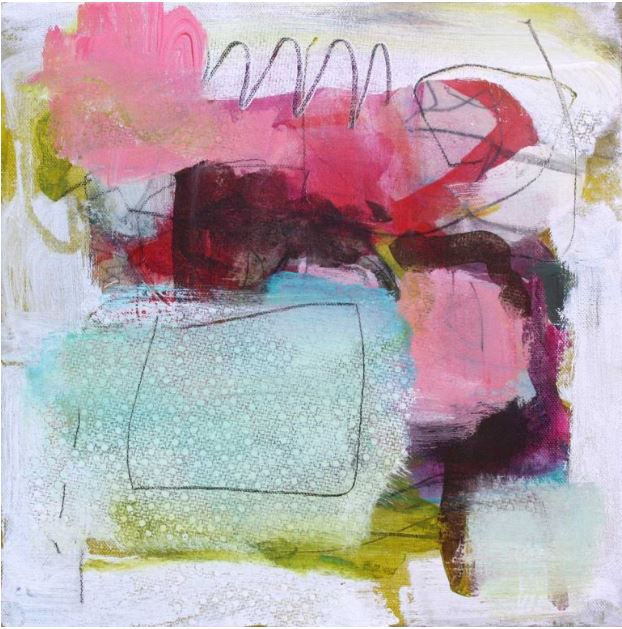
Acrylic on canvas 30.5 x 30.5 cm
Acrylic on canvas 30.5 x 30.5 cm
Acrylic on canvas 30.5 x 30.5 cm
Acrylic on canvas 30.5 x 30.5 cm
Acrylic on canvas 30.5 x 30.5 cm
Oil on canvas Signed 53 x 106 cm

Oil on Canvas 47.6 x 48.3 cm
Oil on Canvas 47.6 x 48.3 cm

Gouache on Paper 75 x 55 cm

Gouache on Paper 75 x 55 cm
Gouache on Paper 75 x 55 cm
Gouache on Paper 75 x 55 cm

Acrylic on Canvas 91.4 cm x 61 cm Signed lower right; titled and dated verso; unframed
Acrylic on Canvas 91.4 cm x 61 cm Signed lower right; titled and dated verso; unframed
Acrylic on Canvas 91.4 cm x 61 cm Signed lower right; titled and dated verso; unframed
Acrylic on Canvas 91.4 cm x 61 cm Signed lower right; titled and dated verso; unframed

Acrylic on Canvas 91.4 cm x 61 cm Dated 1996 Signed lower right, Titled and dated verso, Unframed
Northwest Coast
Inuit Sculpture Artist Unknown

Sedna Soapstone
Sedna Soapstone

High Fired Pottery 27.5 cm x 18.7 cm x 18.7 cm

Acrylic Painted Skull 44 cm x 20 cm

Oil on canvas Signed; Numbered 12-06 76 x 58 cm
Oil on canvas Signed; Numbered 12-06 76 x 58 cm
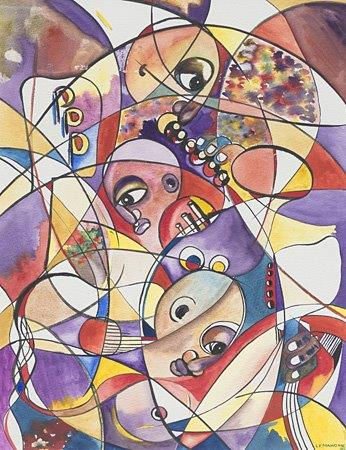
Watercolor Signed Dated 1993 36 x 28cm
Watercolor Signed Dated 1993 36 x 28cm
Watercolor Signed Dated 1993 36 x 28cm
Watercolor Signed Dated 1993 36 x 28cm

Rosewood Tables 78 cm x 150 cm x 54.5 cm
Rosewood Tables 78 cm x 150 cm x 54.5 cm
Rosewood Tables 78 cm x 150 cm x 54.5 cm
Rosewood Tables 78 cm x 150 cm x 54.5 cm
Rosewood Tables 78 cm x 150 cm x 54.5 cm
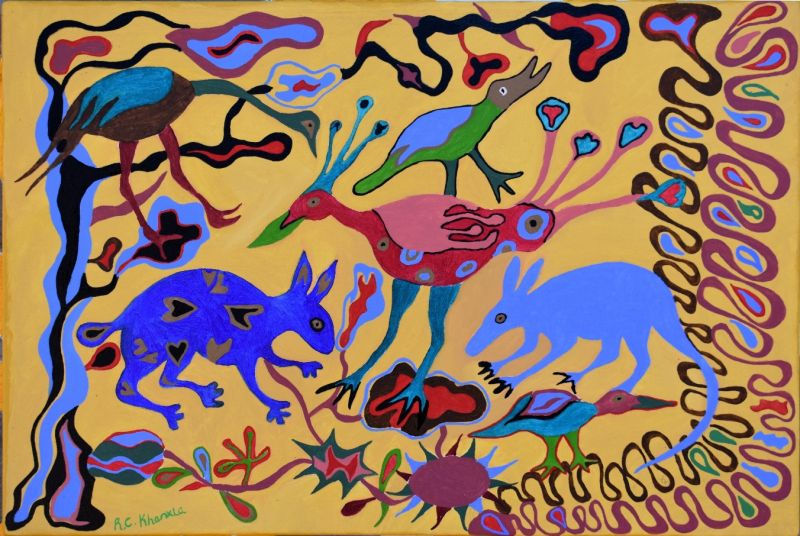
Oil on canvas 57.2 x 85.5 cm

Oil on Board Signed Dated 1962 90 cm x 65 cm
Oil on Board Signed Dated 1962 90 cm x 65 cm

Coloured pencil on paper 24.1 x 18.4 cm 2015
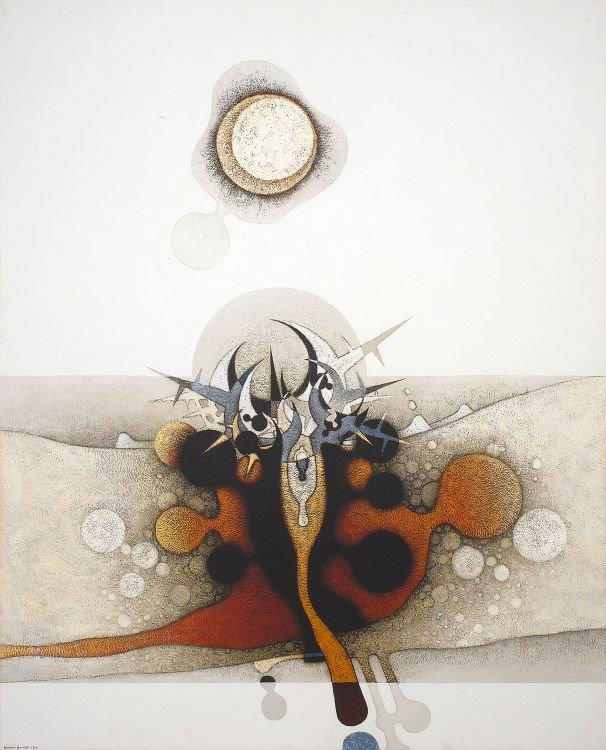
Sunburst Mixed Media on Board 122.5 x 99 cm
Sunburst Mixed Media on Board 122.5 x 99 cm
Bobbie Burgers
Bobbie Burgers is a contemporary Canadian painter. Her lush and Expressionistic depictions of flowers teeter on the verge of abstraction, bursting with bright color and laden with thickly applied, textural paint. “Flowers, to me, are the opposite of still,” the artist has explained. “Changing from minute to minute, they are perfect symbols for life, death, yearning, and beauty. My brushstrokes are layered with my own internal charges, depicting anger, frustration, softness, wanting, and more.” Born in 1973 in Vancouver, Canada, she studied Art History at the University of Victoria in British Columbia. Her work has been exhibited widely at home and abroad, notably including Art Market San Francisco and Equinox Gallery. Today, her works are in the collections of the Berost Corporation in Toronto and the Royal Bank of Canada, among others. Burgers lives and works in Vancouver, Canada.
Bobbie Burgers
Bobbie Burgers is a contemporary Canadian painter. Her lush and Expressionistic depictions of flowers teeter on the verge of abstraction, bursting with bright color and laden with thickly applied, textural paint. “Flowers, to me, are the opposite of still,” the artist has explained. “Changing from minute to minute, they are perfect symbols for life, death, yearning, and beauty. My brushstrokes are layered with my own internal charges, depicting anger, frustration, softness, wanting, and more.” Born in 1973 in Vancouver, Canada, she studied Art History at the University of Victoria in British Columbia. Her work has been exhibited widely at home and abroad, notably including Art Market San Francisco and Equinox Gallery. Today, her works are in the collections of the Berost Corporation in Toronto and the Royal Bank of Canada, among others. Burgers lives and works in Vancouver, Canada.
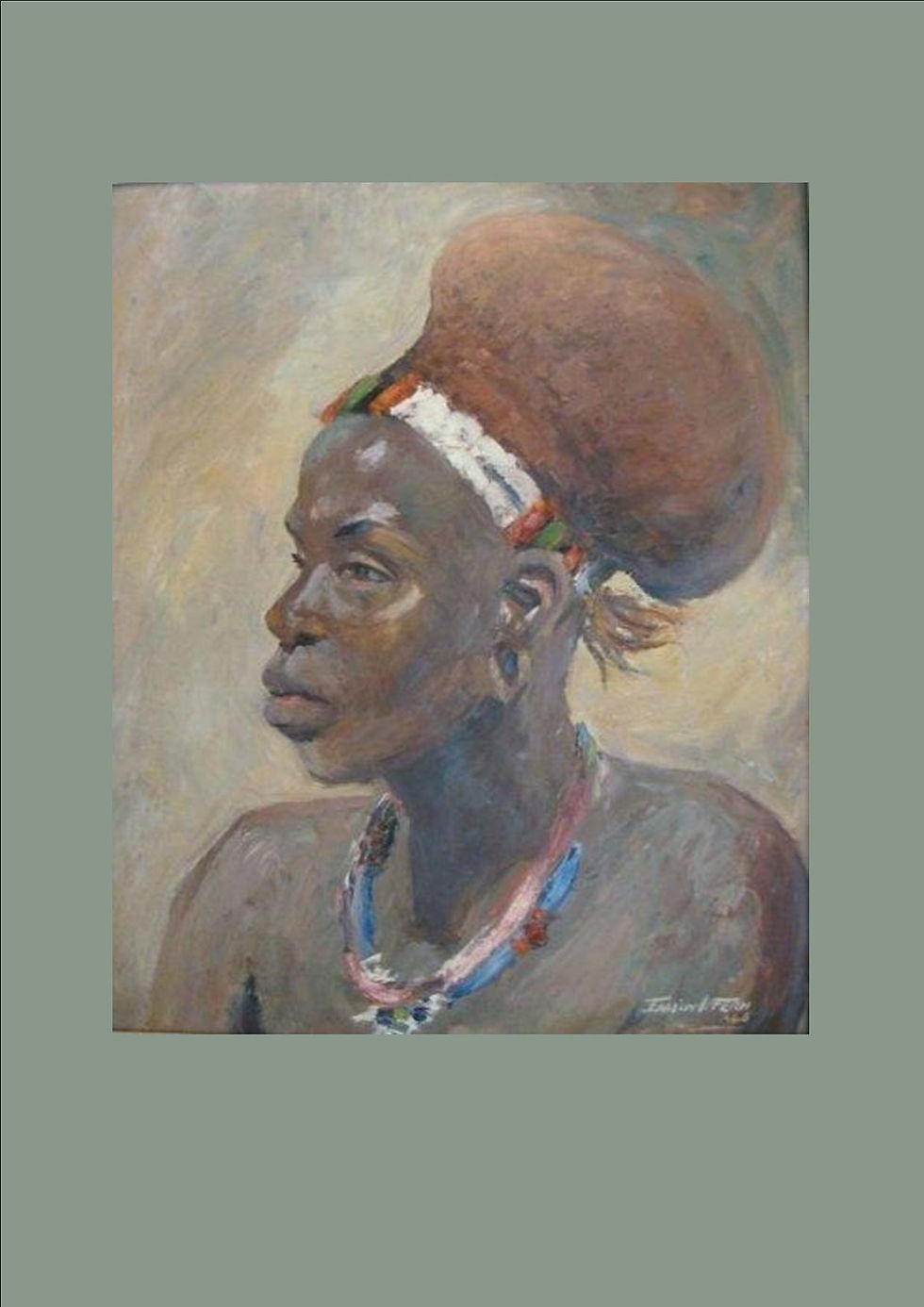
Oil on canvas Signed 32 x 39 cm
Oil on canvas Signed 32 x 39 cm

Oil on board 44 cm x 45 cm
Oil on board 44 cm x 45 cm

Oil on Canvas Dated 2012 75 cm x 57cm
Oil on Canvas Dated 2012 75 cm x 57cm

Oil Signed .Titled 88 x 120 cm
Oil Signed .Titled 88 x 120 cm

Mixed Media and Collage on canvas Signed Dated 16 163 cm x 160 cm
Mixed Media and Collage on canvas Signed Dated 16 163 cm x 160 cm
Mixed Media and Collage on canvas Signed Dated 16 163 cm x 160 cm

Oil on canvas Signed 53 x 106 cm

Acrylic on Board Signed 44 cm x 40 cm
Acrylic on Board Signed 44 cm x 40 cm

Colour Pencil on Paper Signed 16 cm x 11 cm
High Fired Pottery 27.5 cm x 18.7 cm x 18.7 cm

Signed Oil 24 cm x 35 cm
Contemporary South African Art
Cecily Sash
She believed that there is a conscious awareness of the African background in all South African artists. For many years she worked as a muralist, especially in mosaic, a medium in which her manner took on a dry glitter, and she latterly designed tapestries woven in Aubusson and South Africa. Neither of these media was allowed to obscure the linear character of her technique.
In the 1970’s she experimented with spatial ambiguity of a somewhat unusual kind,
achieved by a linear and modelled forms,
usually with very brilliant colour’.
Heather Martienssen
(summarising the work of Cecily Sash to the end of the 1970’s in the Oxford Companion to Twentieth-Century Art)
Cecily Sash's studio teaching at 'Wits' University laid great emphasis on drawing - both an important element of her own practice, and always pertinent in South Africa. However, drawing was seen as different from traditional 'drawing from life'.
In Sash's words, once art had been "removed from reality" it could be submitted to the manipulations of the "language of art: space, colour, line, compositional dynamics". Partially based on Paul Klee's Pedagogic Sketchbook, this formal syntax allowed both abstraction and figuration to be subjected to a rigorous form of analysis, and
to be reassembled according to a strictly
canonic programme.
South Africa might have been geographically marginalised during the Cold War period, but
it was not as culturally isolated as it was to become under the excesses of apartheid in
the next decades. (After 1968, South Africa
was excluded from participation in the Venice Biennale, for example, and the academic
boycott radically affected universities.)
The Fine Art Department of the University of Witwatersrand, under architect and historian Heather Martienssen, the first woman professor
at the university, located itself firmly within Corbusier-inspired international modernism and Sash's teaching (refreshed by visits 'abroad',) established a modernist orthodoxy which held sway at 'Wits' art department and other South African art schools for a long time.
In the 1960's and 1970's, Cecily Sash's work swung between figuration and abstraction, between internationalism and preoccupations with South African themes. A key work of 1955, 'Platteland', depicts bare-footed, long-legged country youths
in front of dry maize stalks; the thin scraped paint and angular linearity are perceived as part of an African style, but also arise out of Sash's fascination with the French artist Bernard Buffet. She made numerous bird studies during these years - spiky birds of prey, which have returned again and again as both formal subject matter,
and an expressive embodiment of emotional crisis during her artistic career.
In 1974, Cecily Sash, found the tensions of apartheid in South Africa unbearable, and she
gave up her highly successful teaching career,
and a buoyant exhibiting and commissions market for relative isolation in the English countryside. Cecily's mother had been born in Scotland, and although her artistic practice had been formulated in relation to South African landscape and themes and a High Veldt palette, the British experience had always beckoned.
Deanna Petherbridge 1993

Oil on canvas Signed 1974

Oil on canvas 55 x 45 cm 1977 Signed and dated

Oil on Canvas Inscribed Verso 56 x 45 cm

Abstract Signed Dated 84 Oil on canvas 60 x 90 cm

Pastel and charcoal on Paper 50 cm x 40 cm Signed and dated '09 in pencil in the margin