
Oil on canvas Signed 53 x 106 cm
Oil on canvas Signed 53 x 106 cm
Oil on canvas Signed 53 x 106 cm
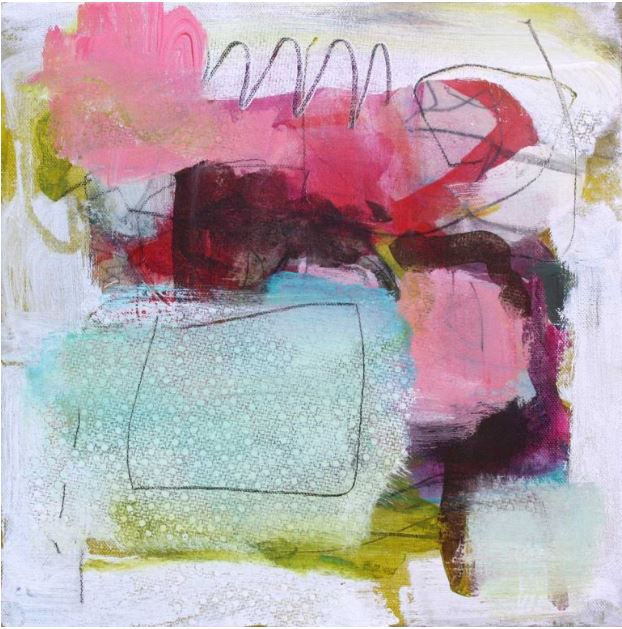
Acrylic on canvas 30.5 x 30.5 cm
Acrylic on canvas 30.5 x 30.5 cm
Acrylic on canvas 30.5 x 30.5 cm
Acrylic on canvas 30.5 x 30.5 cm
Acrylic on canvas 30.5 x 30.5 cm
Oil on canvas Signed 53 x 106 cm

Oil on Canvas 47.6 x 48.3 cm
Oil on Canvas 47.6 x 48.3 cm

Gouache on Paper 75 x 55 cm

Gouache on Paper 75 x 55 cm
Gouache on Paper 75 x 55 cm
Gouache on Paper 75 x 55 cm

Acrylic on Canvas 91.4 cm x 61 cm Signed lower right; titled and dated verso; unframed
Acrylic on Canvas 91.4 cm x 61 cm Signed lower right; titled and dated verso; unframed
Acrylic on Canvas 91.4 cm x 61 cm Signed lower right; titled and dated verso; unframed
Acrylic on Canvas 91.4 cm x 61 cm Signed lower right; titled and dated verso; unframed

Acrylic on Canvas 91.4 cm x 61 cm Dated 1996 Signed lower right, Titled and dated verso, Unframed
Northwest Coast
Inuit Sculpture Artist Unknown

Sedna Soapstone
Sedna Soapstone

High Fired Pottery 27.5 cm x 18.7 cm x 18.7 cm

Acrylic Painted Skull 44 cm x 20 cm

Oil on canvas Signed; Numbered 12-06 76 x 58 cm
Oil on canvas Signed; Numbered 12-06 76 x 58 cm
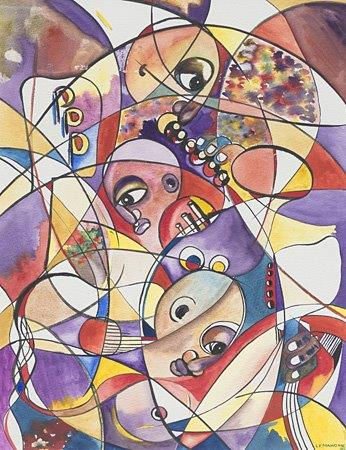
Watercolor Signed Dated 1993 36 x 28cm
Watercolor Signed Dated 1993 36 x 28cm
Watercolor Signed Dated 1993 36 x 28cm
Watercolor Signed Dated 1993 36 x 28cm

Rosewood Tables 78 cm x 150 cm x 54.5 cm
Rosewood Tables 78 cm x 150 cm x 54.5 cm
Rosewood Tables 78 cm x 150 cm x 54.5 cm
Rosewood Tables 78 cm x 150 cm x 54.5 cm
Rosewood Tables 78 cm x 150 cm x 54.5 cm
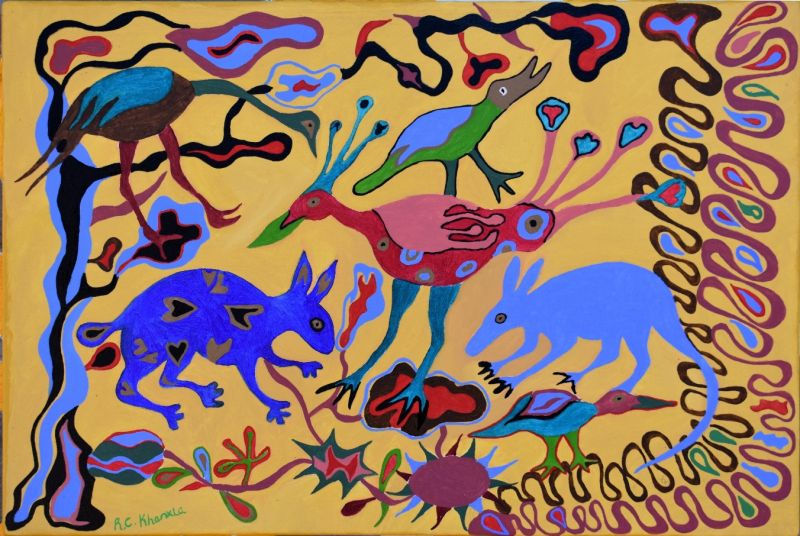
Oil on canvas 57.2 x 85.5 cm

Oil on Board Signed Dated 1962 90 cm x 65 cm
Oil on Board Signed Dated 1962 90 cm x 65 cm

Coloured pencil on paper 24.1 x 18.4 cm 2015
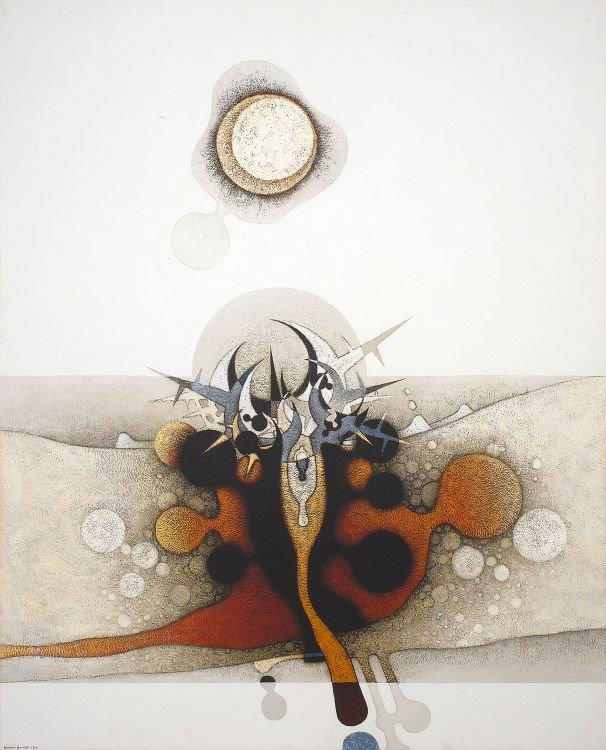
Sunburst Mixed Media on Board 122.5 x 99 cm
Sunburst Mixed Media on Board 122.5 x 99 cm
Bobbie Burgers
Bobbie Burgers is a contemporary Canadian painter. Her lush and Expressionistic depictions of flowers teeter on the verge of abstraction, bursting with bright color and laden with thickly applied, textural paint. “Flowers, to me, are the opposite of still,” the artist has explained. “Changing from minute to minute, they are perfect symbols for life, death, yearning, and beauty. My brushstrokes are layered with my own internal charges, depicting anger, frustration, softness, wanting, and more.” Born in 1973 in Vancouver, Canada, she studied Art History at the University of Victoria in British Columbia. Her work has been exhibited widely at home and abroad, notably including Art Market San Francisco and Equinox Gallery. Today, her works are in the collections of the Berost Corporation in Toronto and the Royal Bank of Canada, among others. Burgers lives and works in Vancouver, Canada.
Bobbie Burgers
Bobbie Burgers is a contemporary Canadian painter. Her lush and Expressionistic depictions of flowers teeter on the verge of abstraction, bursting with bright color and laden with thickly applied, textural paint. “Flowers, to me, are the opposite of still,” the artist has explained. “Changing from minute to minute, they are perfect symbols for life, death, yearning, and beauty. My brushstrokes are layered with my own internal charges, depicting anger, frustration, softness, wanting, and more.” Born in 1973 in Vancouver, Canada, she studied Art History at the University of Victoria in British Columbia. Her work has been exhibited widely at home and abroad, notably including Art Market San Francisco and Equinox Gallery. Today, her works are in the collections of the Berost Corporation in Toronto and the Royal Bank of Canada, among others. Burgers lives and works in Vancouver, Canada.
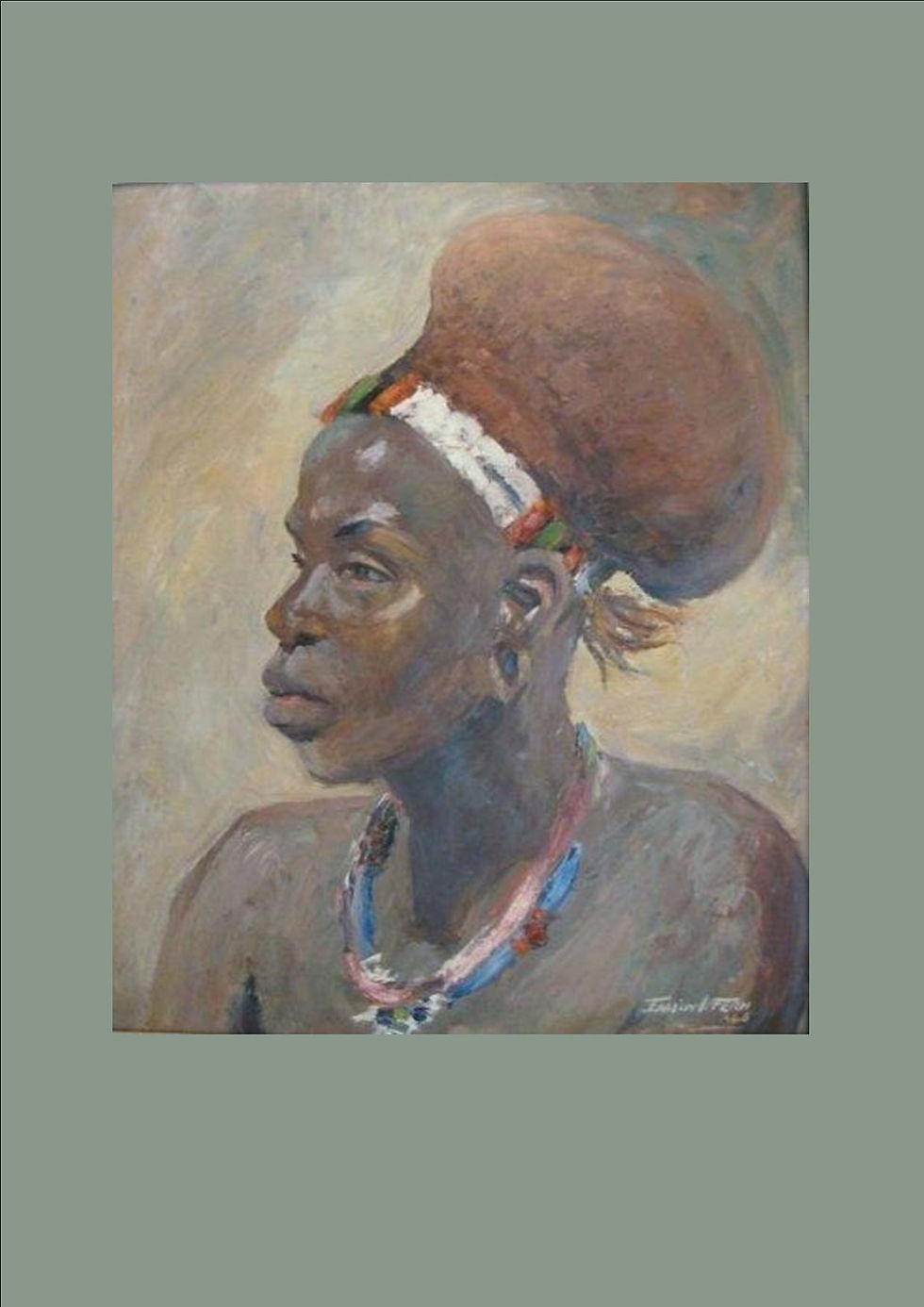
Oil on canvas Signed 32 x 39 cm
Oil on canvas Signed 32 x 39 cm

Oil on board 44 cm x 45 cm
Oil on board 44 cm x 45 cm

Oil on Canvas Dated 2012 75 cm x 57cm
Oil on Canvas Dated 2012 75 cm x 57cm

Oil Signed .Titled 88 x 120 cm
Oil Signed .Titled 88 x 120 cm

Mixed Media and Collage on canvas Signed Dated 16 163 cm x 160 cm
Mixed Media and Collage on canvas Signed Dated 16 163 cm x 160 cm
Mixed Media and Collage on canvas Signed Dated 16 163 cm x 160 cm

Oil on canvas Signed 53 x 106 cm

Acrylic on Board Signed 44 cm x 40 cm
Acrylic on Board Signed 44 cm x 40 cm

Colour Pencil on Paper Signed 16 cm x 11 cm
High Fired Pottery 27.5 cm x 18.7 cm x 18.7 cm

Signed Oil 24 cm x 35 cm
Contemporary South African Art
Page, Frederick
Page, Frederick Hutchison (Fred)
Born: 1908 Utrecht, Natal
Died: 1984 Port Elizabeth
A painter of landscapes, cityscapes, architectural studies, interiors and still life. Used tempera and after 1967 polymer-acrylic and ink. Worked in a whimsical manner with the use of stark white on a dark background. A series of District Six, Cape Town. A graphic artist.
Studies:1945 took an art course by correspondence; 1946-47 part-time at the Port Elizabeth Technical College, under John Muff-Ford and Jack Heath, where awarded a bronze medal.
Profile:1947 to the early 1960s worked as a display artist in Port Elizabeth.
Exhibitions: Participated in group exhibitions from 1948 with the EPSFA and in West Germany, the UK and Greece; 1960 Port Elizabeth, first of numerous solo exhibitions held throughout SA; 1965 Grosvenor Gallery, London, exhibited with 10 other artists; 1968 Durban Art Gallery, solo exhibition entitled “Artist Retrospective Exhibition; 1979 SAAA Gallery, Cape Town, 70th Birthday Commemorative Exhibition; 1983 Carriage House Gallery; Johannesburg, Retrospective Exhibition.
Represented: Hester Rupert Art Museum, Graaff-Reinet; King George VI Art Gallery, Port Elizabeth; Pretoria Art Museum; Sandton Municipal Collection; SA National Gallery, Cape Town; University of the Orange Free State; William Humphreys Art Gallery, Kimberley.
References: Art SA; SAA; 20C SA Art; SSAP; BSAK 1 & 2; SA Art; Oxford Companion to 20C Art (under SA); 3Cs; AASA; LSAA; Artlook April 1968 & December 1975/January 1976; Gallery Summer 1983; Retrospective Exhibition Catalogue, 1975; Catalogue,1975, King George VI Art Gallery. Port Elizabeth.

Watercolour over Pencil Signed Dated 74 46 cm x 30 cm

Oil and Pencil on board Signed Dated 80 74.5 cm x 39 cm

Room Above Polymer on Paper 46 x 41.5 cm

Gouache on Paper Signed and Dated 81 41 cm x 32 cm

Acrylic on Paper Signed and Dated 81 44.5 cm x 35 cm
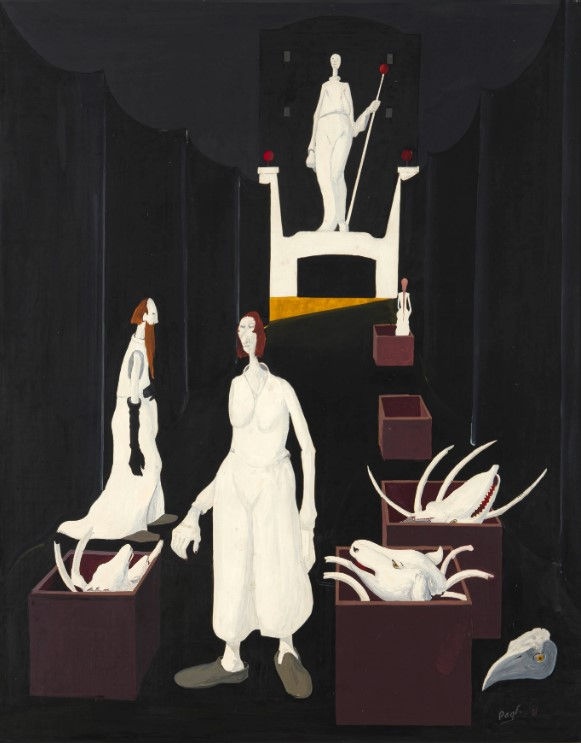
Oil on Board Signed and Dated 61 70 cm x 55 cm

Gouache on Card Signed and Dated '80 34 cm x 24 cm
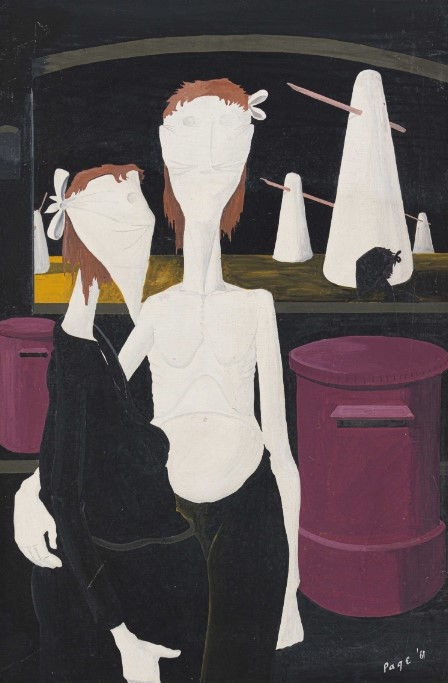
Oil on Board 75 cm x 49.5 cm Signed and Dated 61
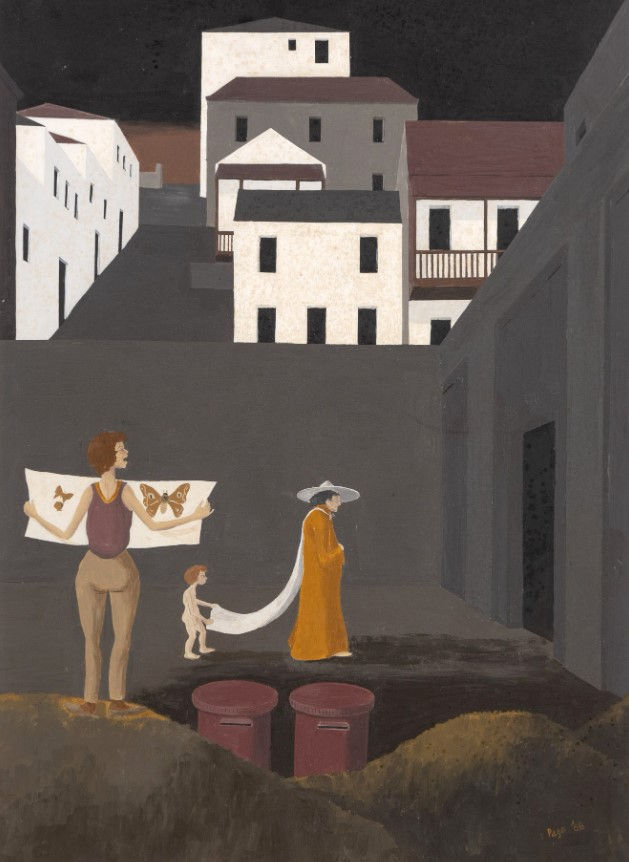
Oil on Board 80 x 54 cm Signed and Dated '08

Acrylic on Board Signed Dated 71 106.5 cm x 101 cm
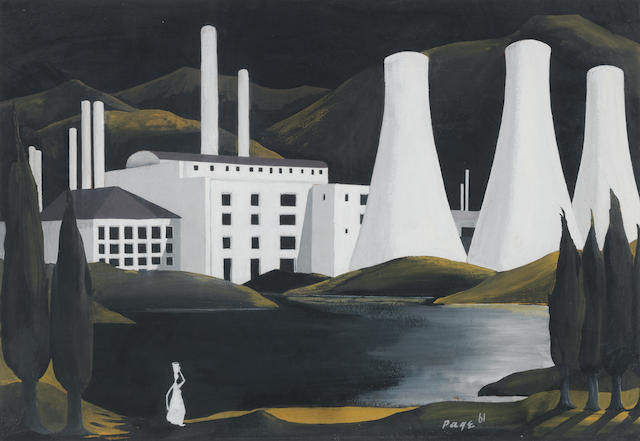
Oil on Board Signed and Dated ’61 39 cm x 57.5 cm

Oil on Canvas Laid Down on Board Signed & Dated 1965 75 cm x 49 cm
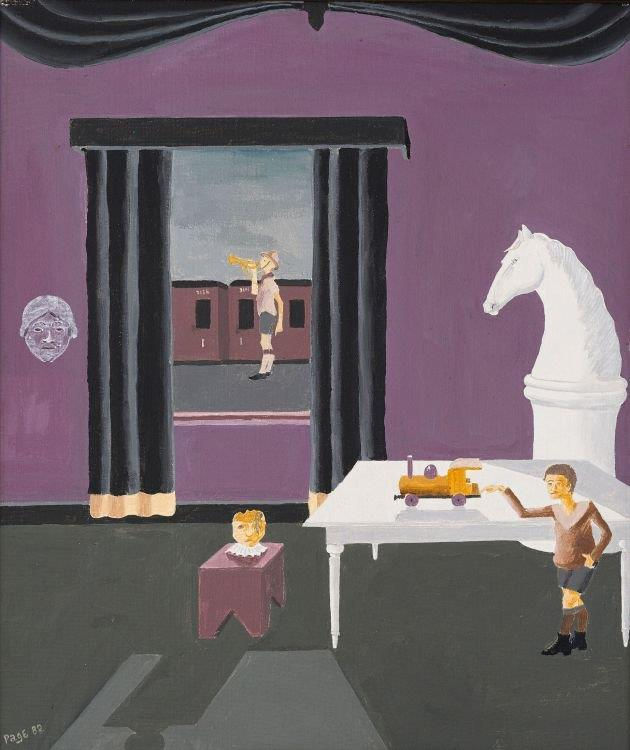
Oil on canvas on board Signed Dated 82 59 cm x 50 cm

Acrylic on Canvas Signed & Dated 73 90 cm x 59 cm

Gouache on Card Signed & Dated 1981 29 cm x 30 cm

Shades of a Scream Acrylic on Canvas 106 x 92 cm Signed Dated1972

Acrylic Polymer on Board 76.5 cm x 53.5 cm Signed and dated bottom right

Gouache on Paper Signed and Dated 78 49 cm x 35 cm
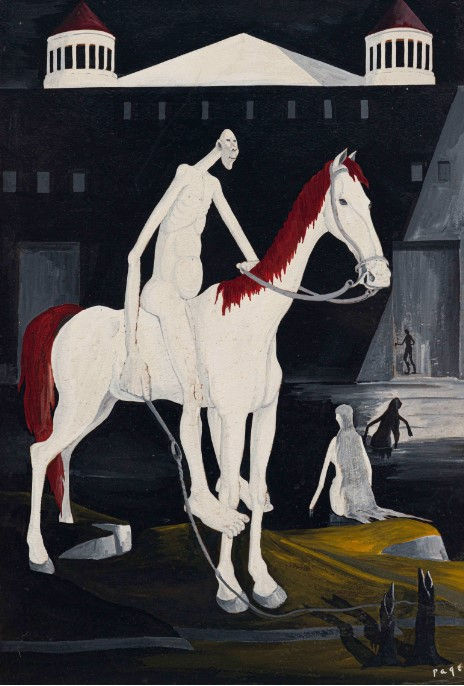
Oil on Board 56.5 cm x 38.5 cm Signed

Gouache on Card Signed and Dated '80 49.5 cm x 34.5 cm

Gouche on Paper Signed Dated 81 51 cm x 29 cm

Oil on Canvas Signed and Dated Page 72 Lower Right 76.5 cm x 107 cm

Signed Dated 67 Polymer on Board 50 cm x 39 cm

Acrylic on Board Signed & Dated 1963 52 cm x 75 cm

Oil on Board Signed Dated 67 76.5 cm x 54 cm

Oil on Board Signed 59 cm x 42 cm

Oil on Board Signed & Dated 74 52 cm x 86 cm

Oil on Canvas Laid Down on Board Signed and Dated 80 46 cm x 61 cm

Acrylic Polymer on Board Signed Dated Title on Reverse 105 cm x 76 cm

Oil on Board 60 cm x 39.5 cm Signed and Dated '67

Acrylic on Paper 1974 Signed 50 cm x 58 cm

Acrylic on Board Signed and Dated '79 46 cm x 73.5 cm

Acrylic on Canvas laid on Board board 62.5 x56.5 cm Signed Dated 71

Gouache on Paper Signed and Dated 78 44 cm x 38 cm

Oil n Paper Title on Reverse 49 cm x 39 cm

Polymer on Paper on Board Signed Dated 71 100 cm x 45 cm

Acrylic on Paper Signed & Dated 1981 34 cm x 53 cm

Gouache on Paper Signed and Indistinctly Dated 52 cm x 35.5 cm

Gouache on Paper Signed and Dated 75 64 cm x 39.5 cm
Literature: Wright J. and Kerbel, C. (2011). Fred Page Ringmaster of the Imagination. Port Elizabeth: Cecil Kerbel and Jeanne Wright, illustrated in colour on p.vi.
Provenance:
Private collection, Johannesburg.
Notes:
Fred Page’s paintings always challenge the viewer. Working in relative isolation in Port Elizabeth between 1947 and 1980, his works are stylistically and technically unlike anything in South Africa at the time. His compelling and fantastical paintings are marked by a reduced monochromatic palette and dramatic contrast and portray strange, eerie scenes with a sense of oddness and disquiet.
Page has often been pigeon holed as a surrealist and there certainly are similarities between the 20th century avant-garde movement’s illogical, often dream like scenes and Page’s bizarre and irrational juxtaposition of images. The artist, however, resisted labels, dismissing perceptions of himself as deeply intellectual and rather describing himself as “a very normal person” who simply put his thoughts and fantasies “out there where people can see them”.[1]
The artist refused to offer concrete explanations and this, in many ways, is a great gift. Interpretation remains open, each image resonating with possibility as Page invites us to explore and interrogate his pictorial world.In Tomorrow Belongs to Us (1973) a solitary figure cloaked in a white robe appears to hover on a balcony between two wide open ornate doors, while they look out at a coffee cup seemingly floating in the distance and dark clouds on the horizon. Page has been described as very withdrawn, according to art historian Esmé Berman, he lived an “isolated existence as a recluse in a single, darkened room in a Port Elizabeth boarding house”.[2]
Viewed in this light, one may understand the painting as depicting the fraught inner world of a lonely artist? But the title, Tomorrow Belongs to Us may allow or encourage other interpretations of the figure – as contemplative, hopeful or even insightful. As Marion Arnold succinctly noted in her exhibition opening address of Fred Page’s 1992 exhibition at UNISA, “His images are compelling, not because they are macabre but because they resonate with possibility, seeming to contain truths about moments of existence which can be expressed only in visual equations”.[3]
Sarah Sinisi
[1] Wright, J & Kerbel, C. (2011). Fred Page: Ringmaster of the Imagination. Port Elizabeth: Cecil Kerbel and Jeanne Wright. p.xi.
[2] Berman as cited in Schoolman, S (Ed). (2007). Birth of the Modernist Body [Exhibition catalogue]. Johannesburg: Graham’s Fine Art Gallery. p.104.
[3] Wright, J & Kerbel, C. (2011). Fred Page: Ringmaster of the Imagination. Port Elizabeth: Cecil Kerbel and Jeanne Wright. p.128.
Collections:
The artist is represented in numerous local collections, notably, Rupert Museum, Stellenbosch.; University of Cape Town.; Nelson Mandela Metropolitan Art Museum, Port Elizabeth.; Javett Art Centre, Pretoria and Iziko South African National Gallery, Cape Town.
What Happened to Aunt Gerty?
Fred Page endured a miserable childhood marked by fatherly abandonment and the death of his mother when he was ten. He drifted between relatives and orphanages before entering a farming trade school; thereafter variously jobbing as a shepherd, barman, gold miner, tyre maker at Firestone and military serviceman. In 1947, aged 39, Page entered art school in Port Elizabeth. Tutored by Jack Heath and Dorothy Kay, his drafting capabilities were given focus. He held his debut solo in 1958 at age 51. Page is well known for his austere and unsentimental compositions depicting architectural features of the Central and South End - historical suburbs of Port Elizabeth. The Powell Collection, however, focuses on his category-defying
fantasy works, notably works in oil. Early on Page settled on a reduced palette of black, white and matt ochre. In 1967, he switched from tempera to quick-drying acrylics and inks, and only occasionally worked in oil. “Colour activates the picture and that I don’t want,” Page said in 1971. “I want silence and stillness.”1
Page admired the technique of painters William Blake, Caspar David Friedrich and René Magritte, but derived creative inspiration for his dreamlike scenarios from literature – notably Lewis Carroll and Edgar Allen Poe. “If I had to state a definite ambition in my painting, I think it would be to emulate the literary achievements of these men to the highest degree possible within the limited sphere of my own media and abilities”.2 Although frequently characterised as a surrealist, his work more closely resembles the theatricality of Giorgio de Chirico’s metaphysical paintings. Jeanne Wright persuasively argues that his psychological work is “an idiosyncratic form of magical realism overlaid with parochial and autobiographical details from his
personal environment.”3
1. Jeanne Wright and Cecil Kerbel (2011) Fred Page: Ringmaster of the Imagination, Port Elizabeth: Jeanne Wright and Cecil Kerbel,page 60.
2. Ibid, page 126.
3. Ibid, page 82.
PROVENANCE
Johans Borman Fine Art, Cape Town, 21 April 2007.
The Oliver Powell and Timely Investments Trust Collection.
LITERATURE
Jeanne Wright and Cecil Kerbel (2011) Fred Page: Ringmaster of the Imagination, Port Elizabeth: Jeanne Wright and Cecil Kerbel, illustrated on page 70.

Pen and Ink Over Pencil Signed and Dated 75 , 46 cm x 24 cm

Linocut Signed Dated 66 No 1-20 37 cm x 15.5 cm

Pen and ink over pencil Signed and dated 1975 32.5 x 36 cm

Ink on Paper Signed Dated 77 23.5 cm x 18 cm

Pen and Ink on Paper Signed Dated 76 Inscribed with Title 26 cm x 19.5 cm


Water Colour on_Paper Signed and Dated ’81 34 cm x 50 cm

Full Tilte: Fragments of a City - Station Port Elizabeth Woodcut Signed and Numbered 8-25 and Titled 28 cm x 45 cm
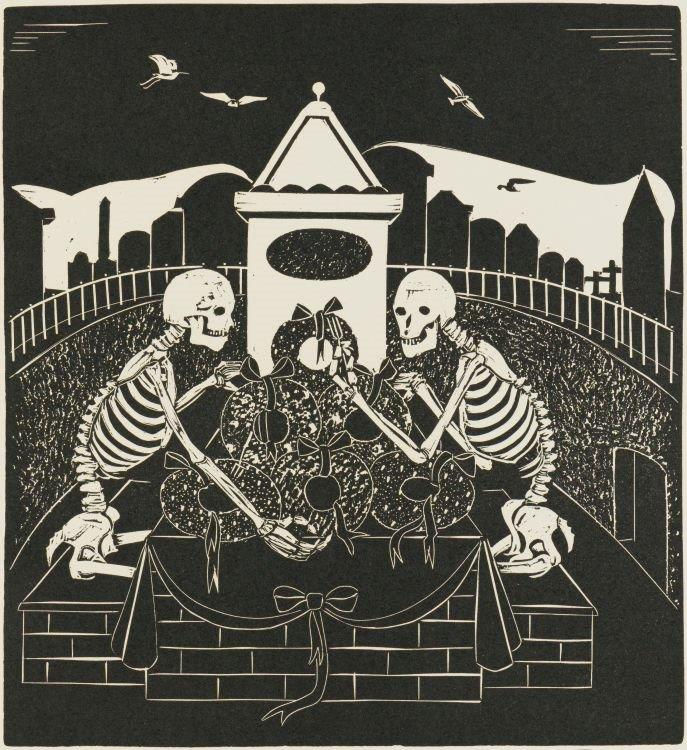
Linocut 37 x 34 cm Signed

Pen and Ink on Paper Signed & Dated 82 22 cm x 17 cm

Ink on Paper Signed, Dated 76 and Titled 46 cm x 36 cm

Pen and Ink on Paper Signed Dated 1976 Inscribed with Title 23.5 cm x 16.5 cm


Linocut 38 cm x 28 cm

Linocut 1-5 25 cm x 14 cm

Pen and Ink on Paper Signed & Dated 81 Title in the Margin 22 cm x 17.5 cm

Ink on Paper Signed & Dated 75 and Titled 40 cm x 22 cm

Pen & Ink on Paper Signed & Dated 81 25.5cm x 18.5 cm

Pen and Ink 39.5 x 19 cm excluding frame 64.5 x 43 x 2.5 including frame Signed and dated '77

Linocut Signed Dated 66 No 2-20 28 cm x 22.5 cm

Linocut No 2-5 37 cm x 11 cm

Linocut Signed Dated 66 No 1-20 32 cm x 14 cm

Mixed Media on Paper Signed Dated 69 47 cm x 73 cm

Linocut Signed 88 39 cm x 19 cm

Ink and watercolour on paper 46 x 30 cm Signed and dated

Pen, Ink and Wash Dated 1968 43.5 cm x 66.5 cm

Woodcut Signed & Dated 66 Numbered 4-20 & Titled 37 cm x 43 cm