
Oil on canvas Signed 53 x 106 cm
Oil on canvas Signed 53 x 106 cm
Oil on canvas Signed 53 x 106 cm
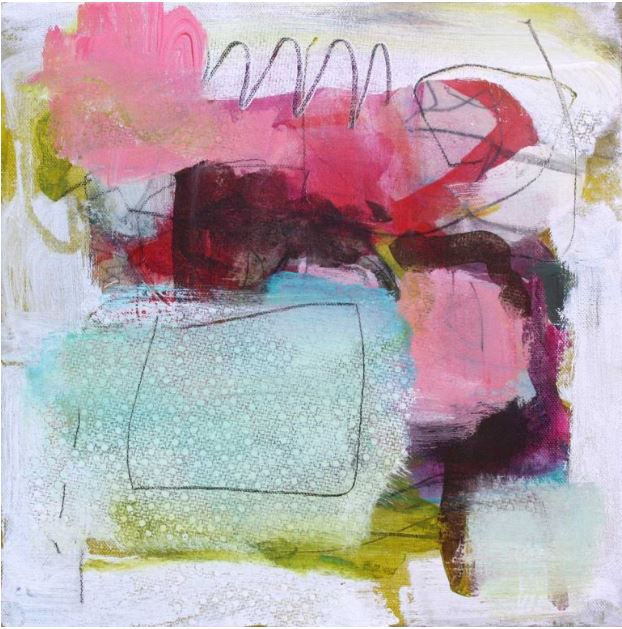
Acrylic on canvas 30.5 x 30.5 cm
Acrylic on canvas 30.5 x 30.5 cm
Acrylic on canvas 30.5 x 30.5 cm
Acrylic on canvas 30.5 x 30.5 cm
Acrylic on canvas 30.5 x 30.5 cm
Oil on canvas Signed 53 x 106 cm

Oil on Canvas 47.6 x 48.3 cm
Oil on Canvas 47.6 x 48.3 cm

Gouache on Paper 75 x 55 cm

Gouache on Paper 75 x 55 cm
Gouache on Paper 75 x 55 cm
Gouache on Paper 75 x 55 cm

Acrylic on Canvas 91.4 cm x 61 cm Signed lower right; titled and dated verso; unframed
Acrylic on Canvas 91.4 cm x 61 cm Signed lower right; titled and dated verso; unframed
Acrylic on Canvas 91.4 cm x 61 cm Signed lower right; titled and dated verso; unframed
Acrylic on Canvas 91.4 cm x 61 cm Signed lower right; titled and dated verso; unframed

Acrylic on Canvas 91.4 cm x 61 cm Dated 1996 Signed lower right, Titled and dated verso, Unframed
Northwest Coast
Inuit Sculpture Artist Unknown

Sedna Soapstone
Sedna Soapstone

High Fired Pottery 27.5 cm x 18.7 cm x 18.7 cm

Acrylic Painted Skull 44 cm x 20 cm

Oil on canvas Signed; Numbered 12-06 76 x 58 cm
Oil on canvas Signed; Numbered 12-06 76 x 58 cm
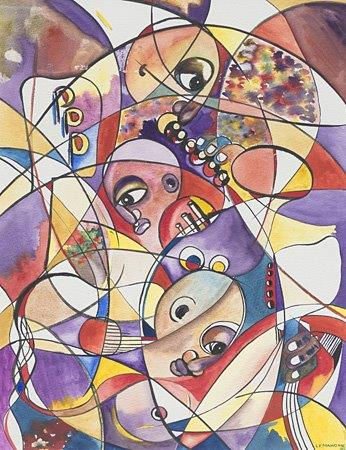
Watercolor Signed Dated 1993 36 x 28cm
Watercolor Signed Dated 1993 36 x 28cm
Watercolor Signed Dated 1993 36 x 28cm
Watercolor Signed Dated 1993 36 x 28cm

Rosewood Tables 78 cm x 150 cm x 54.5 cm
Rosewood Tables 78 cm x 150 cm x 54.5 cm
Rosewood Tables 78 cm x 150 cm x 54.5 cm
Rosewood Tables 78 cm x 150 cm x 54.5 cm
Rosewood Tables 78 cm x 150 cm x 54.5 cm
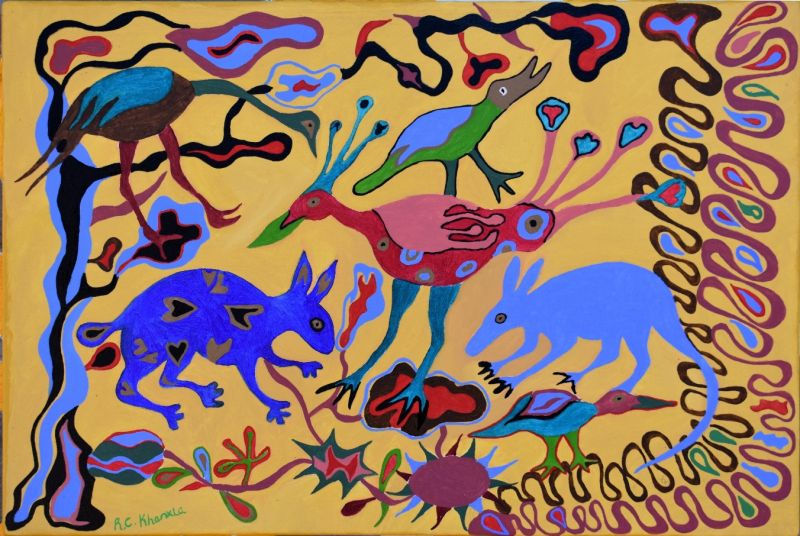
Oil on canvas 57.2 x 85.5 cm

Oil on Board Signed Dated 1962 90 cm x 65 cm
Oil on Board Signed Dated 1962 90 cm x 65 cm

Coloured pencil on paper 24.1 x 18.4 cm 2015
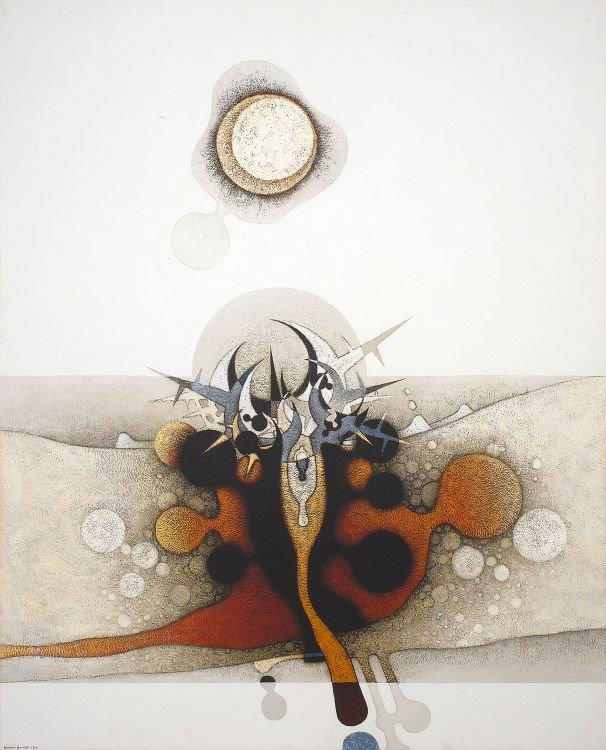
Sunburst Mixed Media on Board 122.5 x 99 cm
Sunburst Mixed Media on Board 122.5 x 99 cm
Bobbie Burgers
Bobbie Burgers is a contemporary Canadian painter. Her lush and Expressionistic depictions of flowers teeter on the verge of abstraction, bursting with bright color and laden with thickly applied, textural paint. “Flowers, to me, are the opposite of still,” the artist has explained. “Changing from minute to minute, they are perfect symbols for life, death, yearning, and beauty. My brushstrokes are layered with my own internal charges, depicting anger, frustration, softness, wanting, and more.” Born in 1973 in Vancouver, Canada, she studied Art History at the University of Victoria in British Columbia. Her work has been exhibited widely at home and abroad, notably including Art Market San Francisco and Equinox Gallery. Today, her works are in the collections of the Berost Corporation in Toronto and the Royal Bank of Canada, among others. Burgers lives and works in Vancouver, Canada.
Bobbie Burgers
Bobbie Burgers is a contemporary Canadian painter. Her lush and Expressionistic depictions of flowers teeter on the verge of abstraction, bursting with bright color and laden with thickly applied, textural paint. “Flowers, to me, are the opposite of still,” the artist has explained. “Changing from minute to minute, they are perfect symbols for life, death, yearning, and beauty. My brushstrokes are layered with my own internal charges, depicting anger, frustration, softness, wanting, and more.” Born in 1973 in Vancouver, Canada, she studied Art History at the University of Victoria in British Columbia. Her work has been exhibited widely at home and abroad, notably including Art Market San Francisco and Equinox Gallery. Today, her works are in the collections of the Berost Corporation in Toronto and the Royal Bank of Canada, among others. Burgers lives and works in Vancouver, Canada.
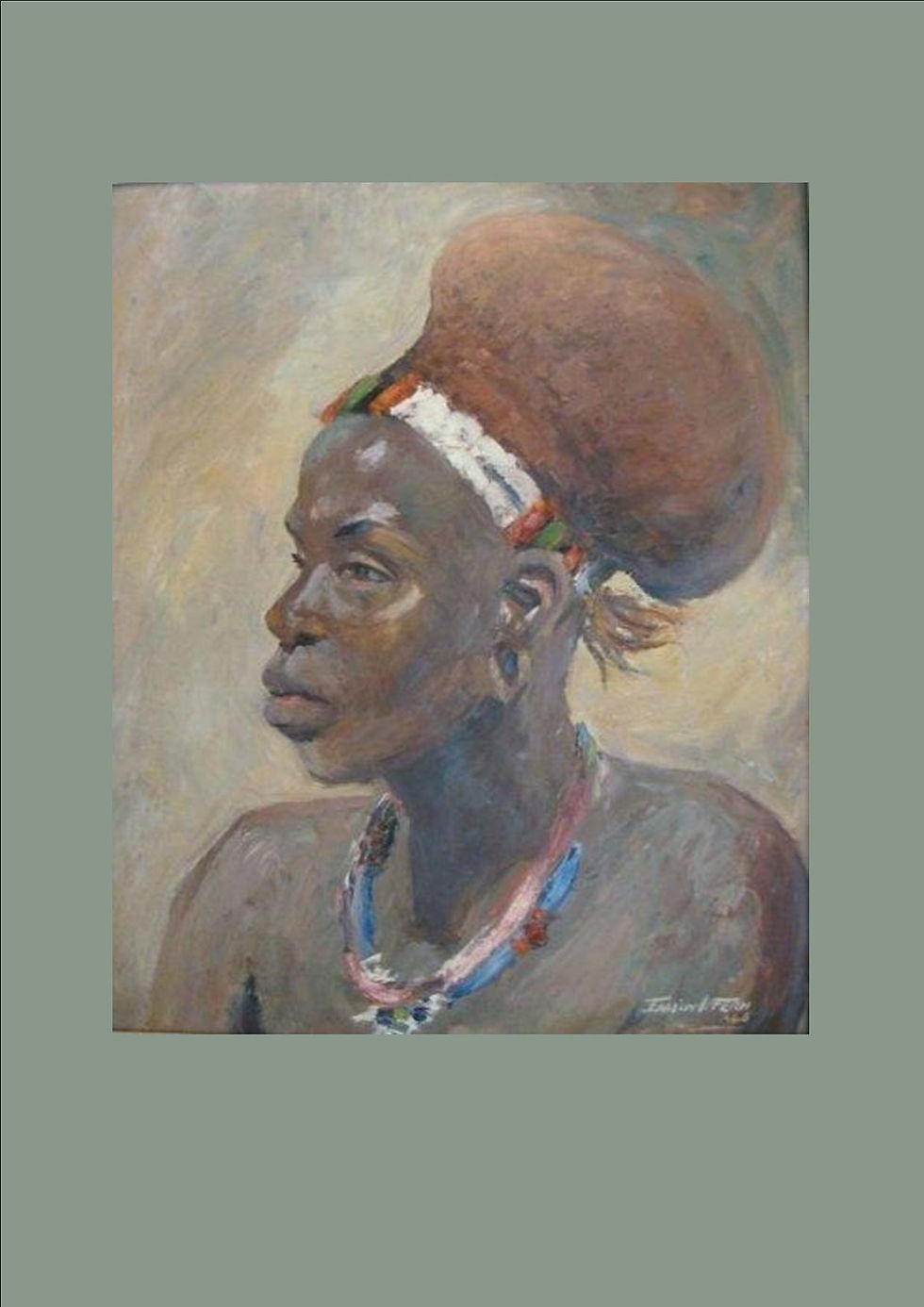
Oil on canvas Signed 32 x 39 cm
Oil on canvas Signed 32 x 39 cm

Oil on board 44 cm x 45 cm
Oil on board 44 cm x 45 cm

Oil on Canvas Dated 2012 75 cm x 57cm
Oil on Canvas Dated 2012 75 cm x 57cm

Oil Signed .Titled 88 x 120 cm
Oil Signed .Titled 88 x 120 cm

Mixed Media and Collage on canvas Signed Dated 16 163 cm x 160 cm
Mixed Media and Collage on canvas Signed Dated 16 163 cm x 160 cm
Mixed Media and Collage on canvas Signed Dated 16 163 cm x 160 cm

Oil on canvas Signed 53 x 106 cm

Acrylic on Board Signed 44 cm x 40 cm
Acrylic on Board Signed 44 cm x 40 cm

Colour Pencil on Paper Signed 16 cm x 11 cm
High Fired Pottery 27.5 cm x 18.7 cm x 18.7 cm

Signed Oil 24 cm x 35 cm
Contemporary South African Art
Muzondo, Joseph
Joseph Muzondo was born in 1953 and is considered to be one of the major talents of the Second Generation. Typical of may of these artists is the quest for original techniques and materials with which to describe contemporary issues. Joseph Muzondo displays this new-found freedom as he manipulates the traditional material of stone to startling effect, sometimes combining it with other media such as steel or found objects.
He left school relatively early but in 1981 joined the B.A.T.Workshops at the National Gallery in Harare and remained there for three years, studying a wide range of disciplines such as drawing, painting and sculpture. He then had the unusual opportunity of overseas training - textile design in Tanzania and etching and drawing skills in Austria. During the war of Independence in Zimbabwe, however, Muzondo enlisted as a 'freedom fighter' and experiences from these difficult years colour and inspire his work today. If any one quality of his sculpture can be said to have originated from such times, it might be that his work is of a fractured, often temporary nature. The image of Zimbabwean stone sculpture is of skilfully carved, large upright pieces of stone - gentle on the eye and slow to reveal their meaning. Muzondo's work shatters that conception.
With works such as Desperate Mother (1 990) and Nuclear Catastrophe (1 986) the viewer is presented with an immediate image - of disarray and pain. Instead of standing upright and inviting examination in the round, these pieces have a graphic, two-dimensional quality as they are constructed to lie on the ground. Desperate Mother is compiled from four, separately carved pieces of stone; each treated differently. It portrays a mother lying on her side, breast-feeding her small child. Her torso and legs (two pieces) are roughly carved with small areas that are more finished and detailed. Her head, as a separate piece, and the child are perhaps the most resolved aspects of the sculpture, but still simply described. The solidity and position of the piece tells poignantly of the mother's lonely struggle with her infant - it is an impression that will weigh heavy on the viewer's heart.
Nuclear Catastrophe, with its obvious embodiment of the artist's experience of war, depicts in no gentle manner the hostility of man. Once more a construction, it comprises eight parts and employs stone, wood, steel and glass. Roughly hewn and only suggested in places the viewer is left to piece together the suggestions: a body in pieces, pierced and horribly damaged. Despair emanates from the sculpture and the cold, weighty stones are a fitting medium with which to describe such a concept. Other works such as Unity (1988) and Bringing The Sad News (1990), however, speak of comfort and closeness and a sharing of human emotions.
The work of Joseph Muzondo is born out of great integrity - no idea or method is ever repeated for similar effect. As well as being a highly innovative and challenging sculptor, Joseph Muzondo is also a very competent draughtsman and printer. These graphic works have the same raw power as his sculpture. An artist in the widest sense, Muzondo serves as a compelling example to others of different disciplines, all over the world.
Referencehttp://web.uct.ac.za/org/cama/CAMA/countries/zimbabwe/Projects/sculture/muzondo/index.htm
http://web.uct.ac.za/org/cama/CAMA/countries/zimbabwe/Projects/sculture/muzondo/index.htm

African Wonderstone Signed Dated 2016 Height 58.5 cm

Litho Ink on Card Signed and Dated 2015 75 cm x 30 cm

African Wonderstone and Found Objects Mounted on a Rectangular Granite Base Signed and Dated 2011 102 cm
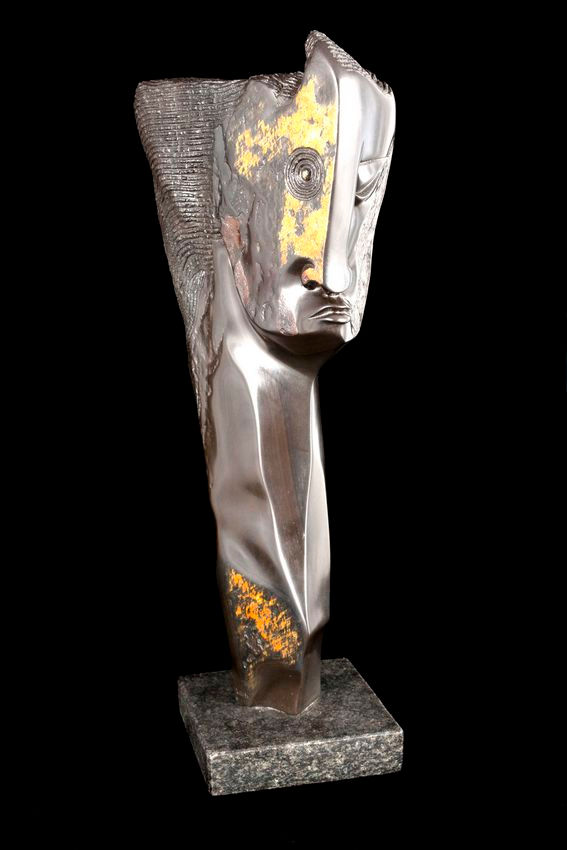
African Wonderstone Signed and Dated 2016 Mounted on Granite 45.5cm

African Wonderstone Signed Dated 2017 Height 89 cm Including Base

Signed Dated 2016 African Wonderstone Total Height 56.5 cm

Signed Dated 2011 Height 76 cm

African Wonderstone Signed and Dated 2011 95 cm
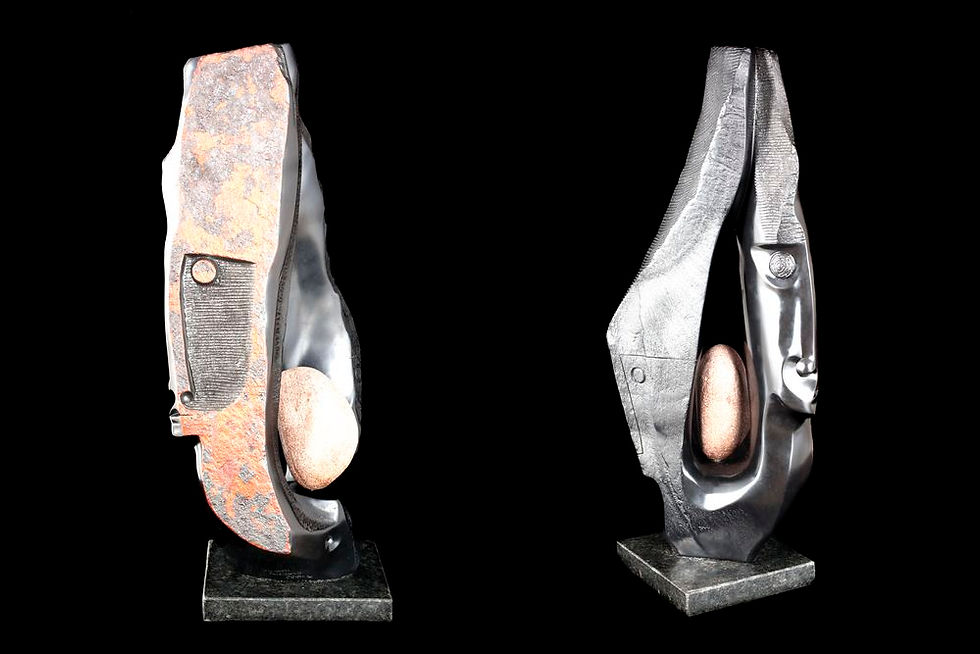
African Wonderstone and Spoelklip Mounted on Granite Signed and Dated 2010-16 63cm