
Oil on canvas Signed 53 x 106 cm
Oil on canvas Signed 53 x 106 cm
Oil on canvas Signed 53 x 106 cm
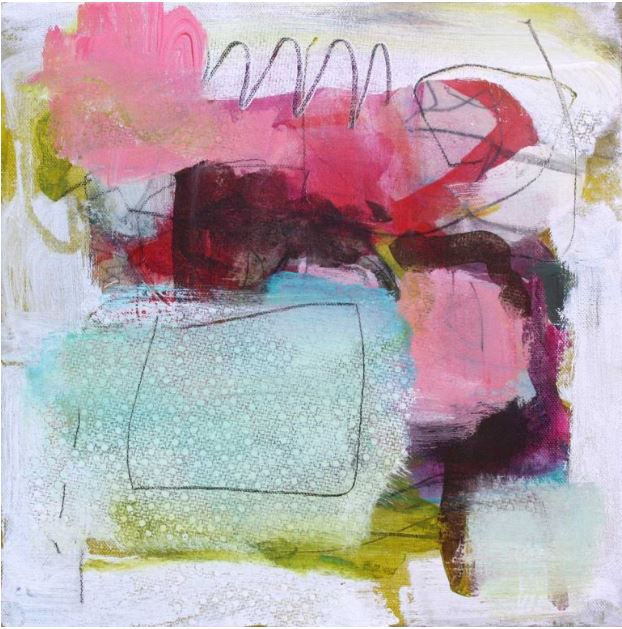
Acrylic on canvas 30.5 x 30.5 cm
Acrylic on canvas 30.5 x 30.5 cm
Acrylic on canvas 30.5 x 30.5 cm
Acrylic on canvas 30.5 x 30.5 cm
Acrylic on canvas 30.5 x 30.5 cm
Oil on canvas Signed 53 x 106 cm

Oil on Canvas 47.6 x 48.3 cm
Oil on Canvas 47.6 x 48.3 cm

Gouache on Paper 75 x 55 cm

Gouache on Paper 75 x 55 cm
Gouache on Paper 75 x 55 cm
Gouache on Paper 75 x 55 cm

Acrylic on Canvas 91.4 cm x 61 cm Signed lower right; titled and dated verso; unframed
Acrylic on Canvas 91.4 cm x 61 cm Signed lower right; titled and dated verso; unframed
Acrylic on Canvas 91.4 cm x 61 cm Signed lower right; titled and dated verso; unframed
Acrylic on Canvas 91.4 cm x 61 cm Signed lower right; titled and dated verso; unframed

Acrylic on Canvas 91.4 cm x 61 cm Dated 1996 Signed lower right, Titled and dated verso, Unframed
Northwest Coast
Inuit Sculpture Artist Unknown

Sedna Soapstone
Sedna Soapstone

High Fired Pottery 27.5 cm x 18.7 cm x 18.7 cm

Acrylic Painted Skull 44 cm x 20 cm

Oil on canvas Signed; Numbered 12-06 76 x 58 cm
Oil on canvas Signed; Numbered 12-06 76 x 58 cm
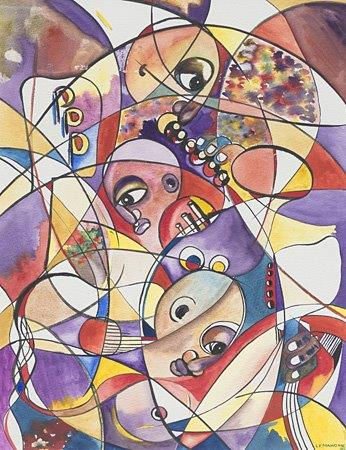
Watercolor Signed Dated 1993 36 x 28cm
Watercolor Signed Dated 1993 36 x 28cm
Watercolor Signed Dated 1993 36 x 28cm
Watercolor Signed Dated 1993 36 x 28cm

Rosewood Tables 78 cm x 150 cm x 54.5 cm
Rosewood Tables 78 cm x 150 cm x 54.5 cm
Rosewood Tables 78 cm x 150 cm x 54.5 cm
Rosewood Tables 78 cm x 150 cm x 54.5 cm
Rosewood Tables 78 cm x 150 cm x 54.5 cm
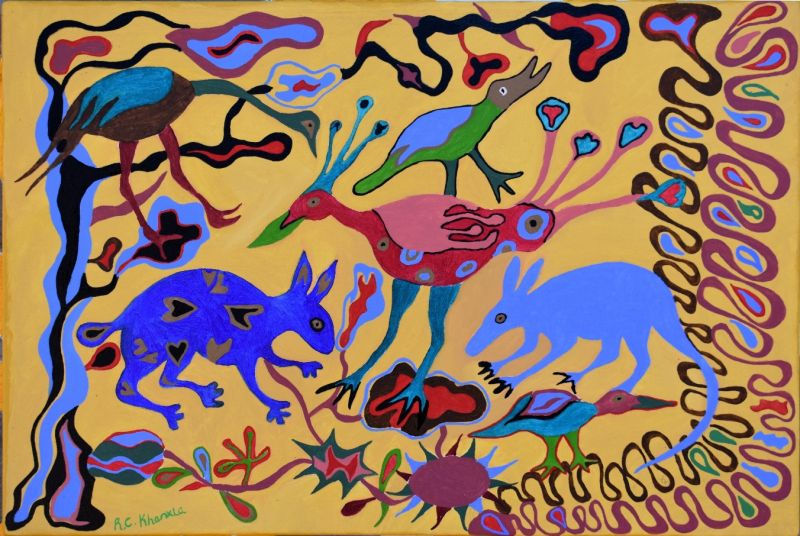
Oil on canvas 57.2 x 85.5 cm

Oil on Board Signed Dated 1962 90 cm x 65 cm
Oil on Board Signed Dated 1962 90 cm x 65 cm

Coloured pencil on paper 24.1 x 18.4 cm 2015
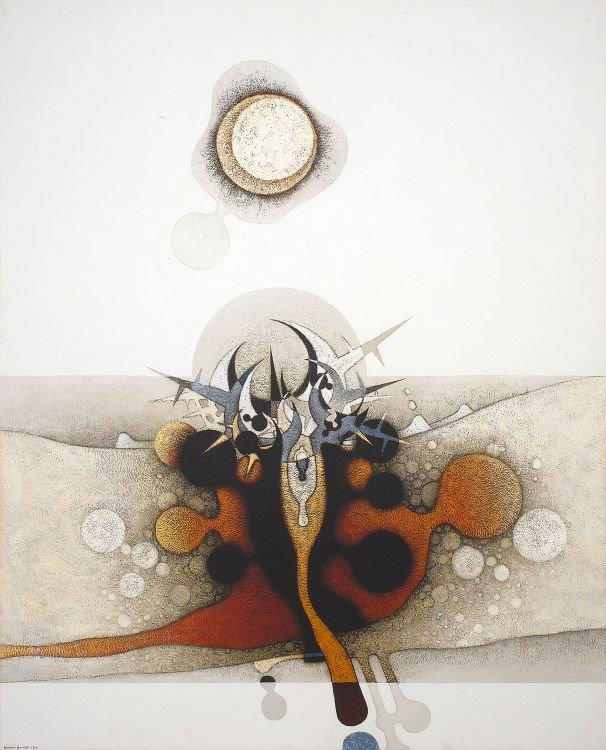
Sunburst Mixed Media on Board 122.5 x 99 cm
Sunburst Mixed Media on Board 122.5 x 99 cm
Bobbie Burgers
Bobbie Burgers is a contemporary Canadian painter. Her lush and Expressionistic depictions of flowers teeter on the verge of abstraction, bursting with bright color and laden with thickly applied, textural paint. “Flowers, to me, are the opposite of still,” the artist has explained. “Changing from minute to minute, they are perfect symbols for life, death, yearning, and beauty. My brushstrokes are layered with my own internal charges, depicting anger, frustration, softness, wanting, and more.” Born in 1973 in Vancouver, Canada, she studied Art History at the University of Victoria in British Columbia. Her work has been exhibited widely at home and abroad, notably including Art Market San Francisco and Equinox Gallery. Today, her works are in the collections of the Berost Corporation in Toronto and the Royal Bank of Canada, among others. Burgers lives and works in Vancouver, Canada.
Bobbie Burgers
Bobbie Burgers is a contemporary Canadian painter. Her lush and Expressionistic depictions of flowers teeter on the verge of abstraction, bursting with bright color and laden with thickly applied, textural paint. “Flowers, to me, are the opposite of still,” the artist has explained. “Changing from minute to minute, they are perfect symbols for life, death, yearning, and beauty. My brushstrokes are layered with my own internal charges, depicting anger, frustration, softness, wanting, and more.” Born in 1973 in Vancouver, Canada, she studied Art History at the University of Victoria in British Columbia. Her work has been exhibited widely at home and abroad, notably including Art Market San Francisco and Equinox Gallery. Today, her works are in the collections of the Berost Corporation in Toronto and the Royal Bank of Canada, among others. Burgers lives and works in Vancouver, Canada.
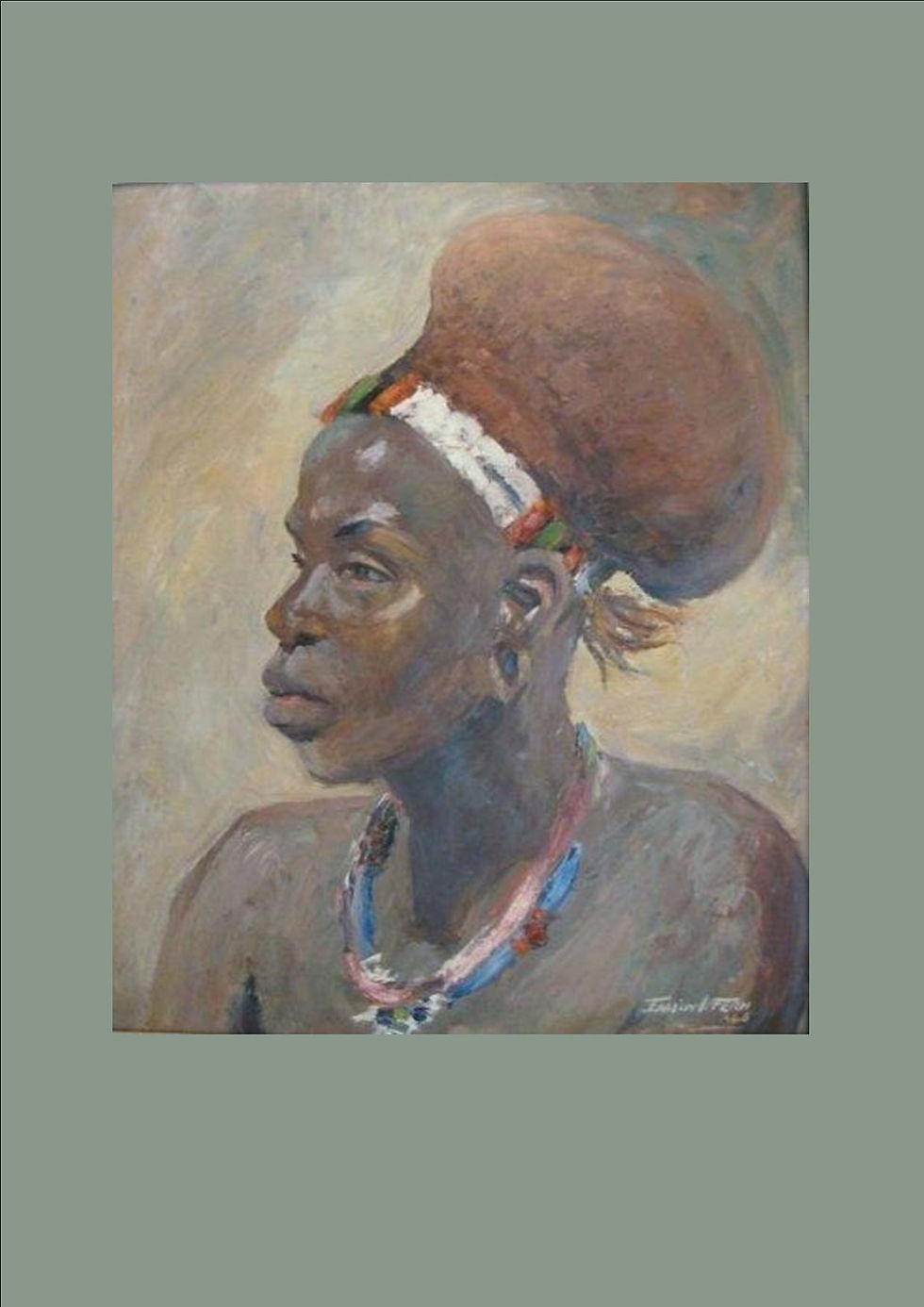
Oil on canvas Signed 32 x 39 cm
Oil on canvas Signed 32 x 39 cm

Oil on board 44 cm x 45 cm
Oil on board 44 cm x 45 cm

Oil on Canvas Dated 2012 75 cm x 57cm
Oil on Canvas Dated 2012 75 cm x 57cm

Oil Signed .Titled 88 x 120 cm
Oil Signed .Titled 88 x 120 cm

Mixed Media and Collage on canvas Signed Dated 16 163 cm x 160 cm
Mixed Media and Collage on canvas Signed Dated 16 163 cm x 160 cm
Mixed Media and Collage on canvas Signed Dated 16 163 cm x 160 cm

Oil on canvas Signed 53 x 106 cm

Acrylic on Board Signed 44 cm x 40 cm
Acrylic on Board Signed 44 cm x 40 cm

Colour Pencil on Paper Signed 16 cm x 11 cm
High Fired Pottery 27.5 cm x 18.7 cm x 18.7 cm

Signed Oil 24 cm x 35 cm
Contemporary South African Art
Mukhuba, Nelson
Before Nelson Mukhuba became a full time carver he worked as a migrant worker in Johannesburg on several different projects. During the 1960s he formed various Marabi dance bands and made recordings. Like all the carvers from the rural north who are represented in the Campbell Smith Collection he was untrained in a formal sense. His experience of the city appears in some works; for example, on the top of a walking stick he has carved a series of open rectangles, which according to him represent the shaft of an elevator. He also used images from magazines and books as source material and carved traditional items. Important among these are the large drums and the set of four figures – representing the four ages of women – made for the Venda girls’ initiation ceremonies (domba) (University of the Witwatersrand). He worked and lived in Tshakhuma, a German Mission station, and carved Christian subjects, such as the famous Nebuchadnezzar (Johannesburg Art Gallery) and Christ Crucified.
Movement and mobility in static sculpture interested Mukhuba and this is evident in the four works in the Campbell Smith Collection. For the dancers he used pieces of wood with the suggestion of movement, and then added mobile arms which could be articulated (see plate 252). He placed the whole on circular metal discs which functioned as bases and enhanced the idea of mobility. Before he was ‘discovered’ by the city art markets Mukhuba had a small shop on the main road between Thoyouandou and Pund a Milia, the northern gate to the Kruger National Park. To attract the attention of travellers he set up a large sculpture with a mobile arm tied to a string, which he would pull so that the arm waved to passing cars. The other way he explored movement was in his choice of subject – as evidenced in the two boxers in the Campbell Smith Collection; he also began working on the football theme long before its present popularity. Typically Mukhuba did not add anything to the surface of the completed sculpture, preferring a natural finish; only occasionally did he use pokerwork for definition.
Mukuba committed suicide in 1987; he set his storeroom alight and many of the works that survived bear the scars of this tragic event.
Mukhuba’s life ended in an orgy of suicide and destruction in February, 1987. Upon his return from an exhibition in Johannesburg where he had been the centre of attention, he cut down all of his fruit trees and killed his wife and two of his daughters. He then sealed his house and its contents (containing many of his works) pouring petrol over everything and himself. He set fire to these, and during the ensuing holocaust succeeded in crawling out of a window, only to hang himself from a tree.
Gavin Younge, who was familiar with Venda sculpture and Mukhuba at the time, later commented that Mukhuba’s ‘fame as an artist was no measure for his violence as a man.’ He also noted that the artist’s work [hinted] at the tragic and the psychopathic’.1
Born 1925; died Tshakuma 1987
Exhibitions
1983: SA Contemporary Art, Milner Park, Johannesburg
1984: Venda Sun Hotel, Thohoyandou. 1985: Tributaries, Africana Museum in Progress, Johannesburg and Munich, Germany
1986: Bozz Art, Market Gallery, NSA, Durban and Irma Stern, Cape Town
1987: Vita Art Now, Johannesburg Art Gallery. VhaVenda Sculpture, Standard Bank National Arts Festival, Grahamstown
1988: The Neglected Tradition, Johannesburg Art Gallery
1989: Images in Wood, Johannesburg Art Gallery
1995: Siyawela: Love, Loss and Liberty in South African Art, Birmingham, UK
1996: University of the Witwatersrand Art Gallery
2001–2003: Motho ke motho ka batho (see Seoka).
Collections
Durban Art Gallery; Iziko SA National Gallery, Cape Town; Johannesburg Art Gallery; University of South Africa; University of the Witwatersrand, Johannesburg.
Ref: http://www.revisions.co.za/biographies/nelson-mukhuba/#.V2qF01UrJD-

Wood Carving Signed 59 cm