
Oil on canvas Signed 53 x 106 cm
Oil on canvas Signed 53 x 106 cm
Oil on canvas Signed 53 x 106 cm
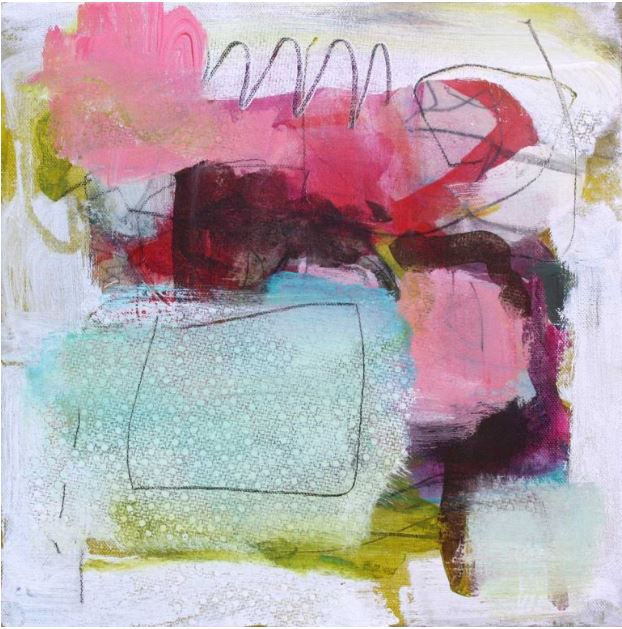
Acrylic on canvas 30.5 x 30.5 cm
Acrylic on canvas 30.5 x 30.5 cm
Acrylic on canvas 30.5 x 30.5 cm
Acrylic on canvas 30.5 x 30.5 cm
Acrylic on canvas 30.5 x 30.5 cm
Oil on canvas Signed 53 x 106 cm

Oil on Canvas 47.6 x 48.3 cm
Oil on Canvas 47.6 x 48.3 cm

Gouache on Paper 75 x 55 cm

Gouache on Paper 75 x 55 cm
Gouache on Paper 75 x 55 cm
Gouache on Paper 75 x 55 cm

Acrylic on Canvas 91.4 cm x 61 cm Signed lower right; titled and dated verso; unframed
Acrylic on Canvas 91.4 cm x 61 cm Signed lower right; titled and dated verso; unframed
Acrylic on Canvas 91.4 cm x 61 cm Signed lower right; titled and dated verso; unframed
Acrylic on Canvas 91.4 cm x 61 cm Signed lower right; titled and dated verso; unframed

Acrylic on Canvas 91.4 cm x 61 cm Dated 1996 Signed lower right, Titled and dated verso, Unframed
Northwest Coast
Inuit Sculpture Artist Unknown

Sedna Soapstone
Sedna Soapstone

High Fired Pottery 27.5 cm x 18.7 cm x 18.7 cm

Acrylic Painted Skull 44 cm x 20 cm

Oil on canvas Signed; Numbered 12-06 76 x 58 cm
Oil on canvas Signed; Numbered 12-06 76 x 58 cm
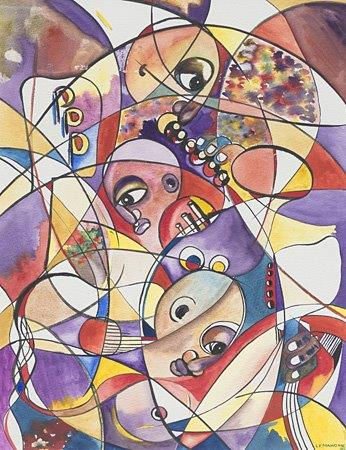
Watercolor Signed Dated 1993 36 x 28cm
Watercolor Signed Dated 1993 36 x 28cm
Watercolor Signed Dated 1993 36 x 28cm
Watercolor Signed Dated 1993 36 x 28cm

Rosewood Tables 78 cm x 150 cm x 54.5 cm
Rosewood Tables 78 cm x 150 cm x 54.5 cm
Rosewood Tables 78 cm x 150 cm x 54.5 cm
Rosewood Tables 78 cm x 150 cm x 54.5 cm
Rosewood Tables 78 cm x 150 cm x 54.5 cm
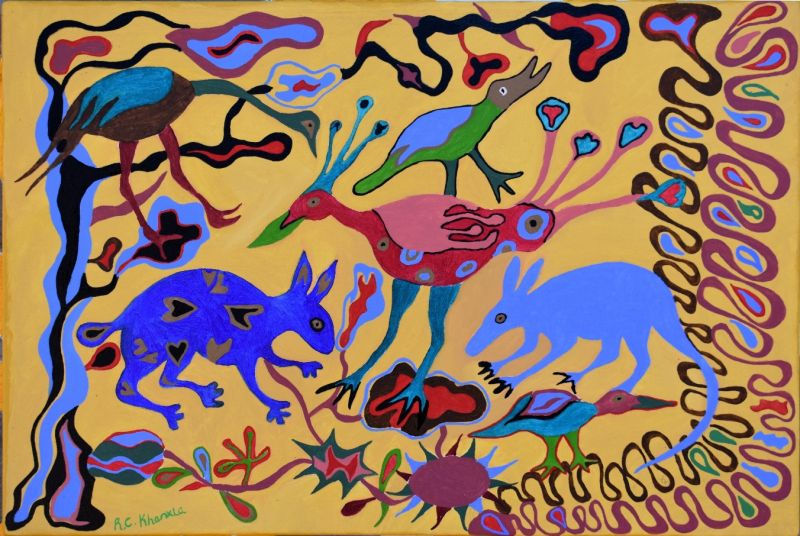
Oil on canvas 57.2 x 85.5 cm

Oil on Board Signed Dated 1962 90 cm x 65 cm
Oil on Board Signed Dated 1962 90 cm x 65 cm

Coloured pencil on paper 24.1 x 18.4 cm 2015
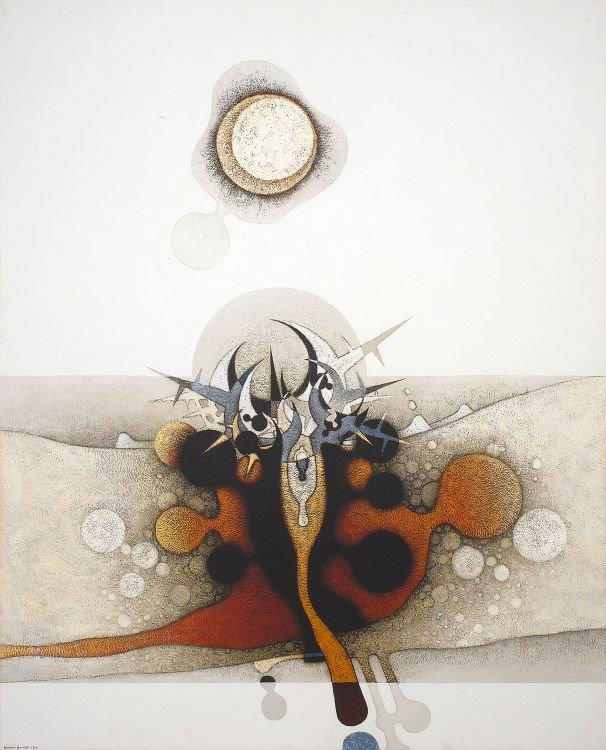
Sunburst Mixed Media on Board 122.5 x 99 cm
Sunburst Mixed Media on Board 122.5 x 99 cm
Bobbie Burgers
Bobbie Burgers is a contemporary Canadian painter. Her lush and Expressionistic depictions of flowers teeter on the verge of abstraction, bursting with bright color and laden with thickly applied, textural paint. “Flowers, to me, are the opposite of still,” the artist has explained. “Changing from minute to minute, they are perfect symbols for life, death, yearning, and beauty. My brushstrokes are layered with my own internal charges, depicting anger, frustration, softness, wanting, and more.” Born in 1973 in Vancouver, Canada, she studied Art History at the University of Victoria in British Columbia. Her work has been exhibited widely at home and abroad, notably including Art Market San Francisco and Equinox Gallery. Today, her works are in the collections of the Berost Corporation in Toronto and the Royal Bank of Canada, among others. Burgers lives and works in Vancouver, Canada.
Bobbie Burgers
Bobbie Burgers is a contemporary Canadian painter. Her lush and Expressionistic depictions of flowers teeter on the verge of abstraction, bursting with bright color and laden with thickly applied, textural paint. “Flowers, to me, are the opposite of still,” the artist has explained. “Changing from minute to minute, they are perfect symbols for life, death, yearning, and beauty. My brushstrokes are layered with my own internal charges, depicting anger, frustration, softness, wanting, and more.” Born in 1973 in Vancouver, Canada, she studied Art History at the University of Victoria in British Columbia. Her work has been exhibited widely at home and abroad, notably including Art Market San Francisco and Equinox Gallery. Today, her works are in the collections of the Berost Corporation in Toronto and the Royal Bank of Canada, among others. Burgers lives and works in Vancouver, Canada.
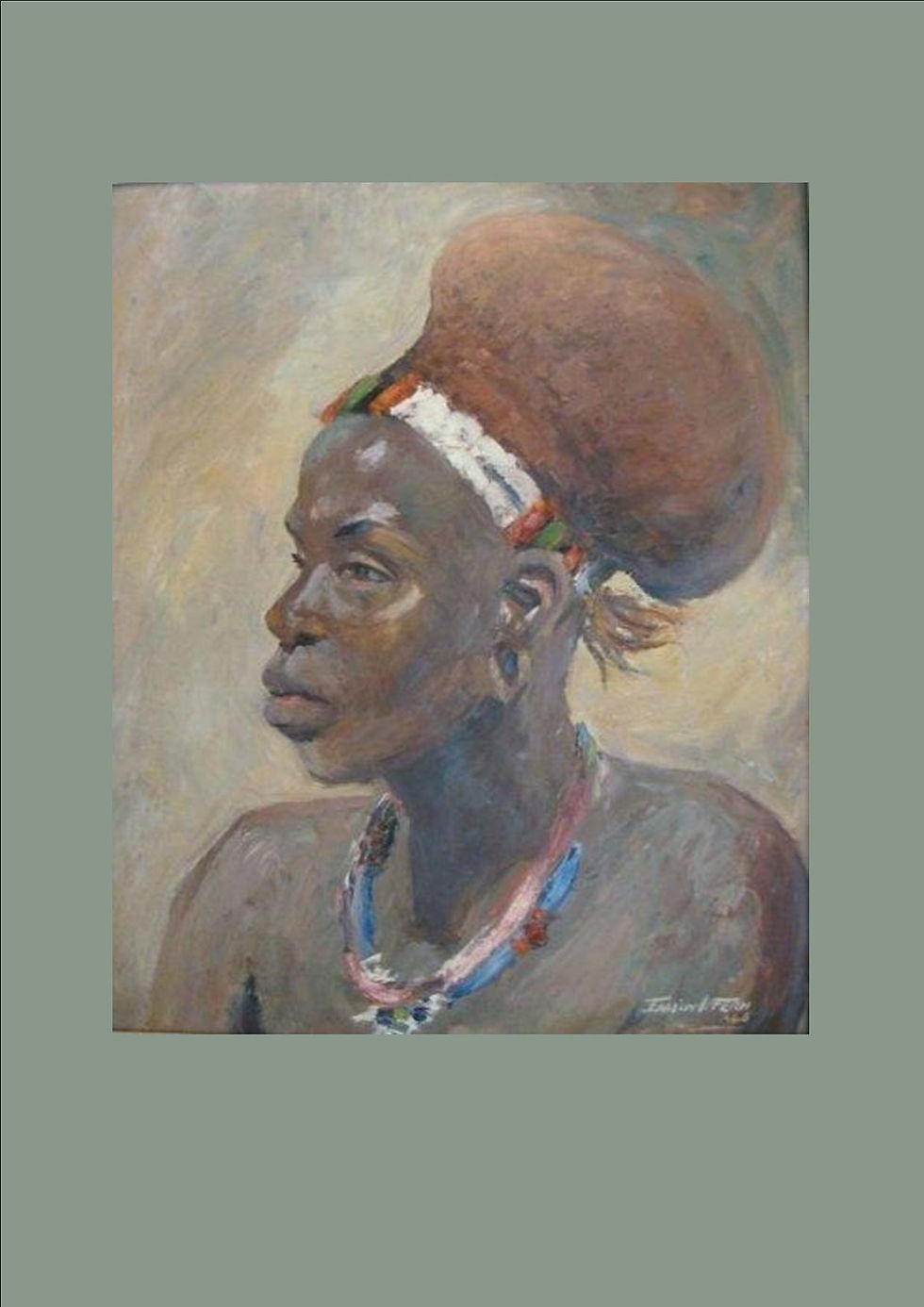
Oil on canvas Signed 32 x 39 cm
Oil on canvas Signed 32 x 39 cm

Oil on board 44 cm x 45 cm
Oil on board 44 cm x 45 cm

Oil on Canvas Dated 2012 75 cm x 57cm
Oil on Canvas Dated 2012 75 cm x 57cm

Oil Signed .Titled 88 x 120 cm
Oil Signed .Titled 88 x 120 cm

Mixed Media and Collage on canvas Signed Dated 16 163 cm x 160 cm
Mixed Media and Collage on canvas Signed Dated 16 163 cm x 160 cm
Mixed Media and Collage on canvas Signed Dated 16 163 cm x 160 cm

Oil on canvas Signed 53 x 106 cm

Acrylic on Board Signed 44 cm x 40 cm
Acrylic on Board Signed 44 cm x 40 cm

Colour Pencil on Paper Signed 16 cm x 11 cm
High Fired Pottery 27.5 cm x 18.7 cm x 18.7 cm

Signed Oil 24 cm x 35 cm
Contemporary South African Art
Mgudlandlu, Gladys
Born: 1925 Peddie, Ciskei.
Died: 1979 Guguletu, Cape Province
A self taught painter of landscapes, figures,
flora and fauna. Worked in gouache and oil.
Profile: Had some guidance from Katrine Harries. Began painting in 1952, in a naïve style. Wrote and illustrated original African folktales, gaineda Teachers Diploma from Lovedale College, Alice, and during 1968-78 taught art at Athlone Community School, Cape Town.
Exhibitions: Exhibited widely in SA and
abroad; 1961 Port Elizabeth, first of several
solo exhibitions; 1979 Contemporary African
Art in SA, touring.
Award: 1963 Prize Winner, Art SA Today
Represented: King George VI Art Gallery, Port Elizabeth; University of Fort Hare,
References: Art SA; SESA; BSAK 1&2; AASA; Artlook November 1972

Gouche Signed; Dated 1963 Xmas 38.5 x 57.5 cm

Gouache Signed 1964 51 x 64 cm

Gouache on cardboard Signed, dated 1962 60 x 32 cm

Oil on paper laid on board Signed, dated 1966 60 x 38 cm

#9 of Group of 9

#2 of Group of 10

#1 of Group of 9

#5 of Group of 9

#4 of Group of 10

Pen and Ink on Board Signed 60 x 41 cm

Gouache Signed and Dated 1-1-61 56 cm x 75 cm

Acrylic on Paper Signed 53.5 x 74 cm

Gouache Signed 75.5 cm x 28 cm
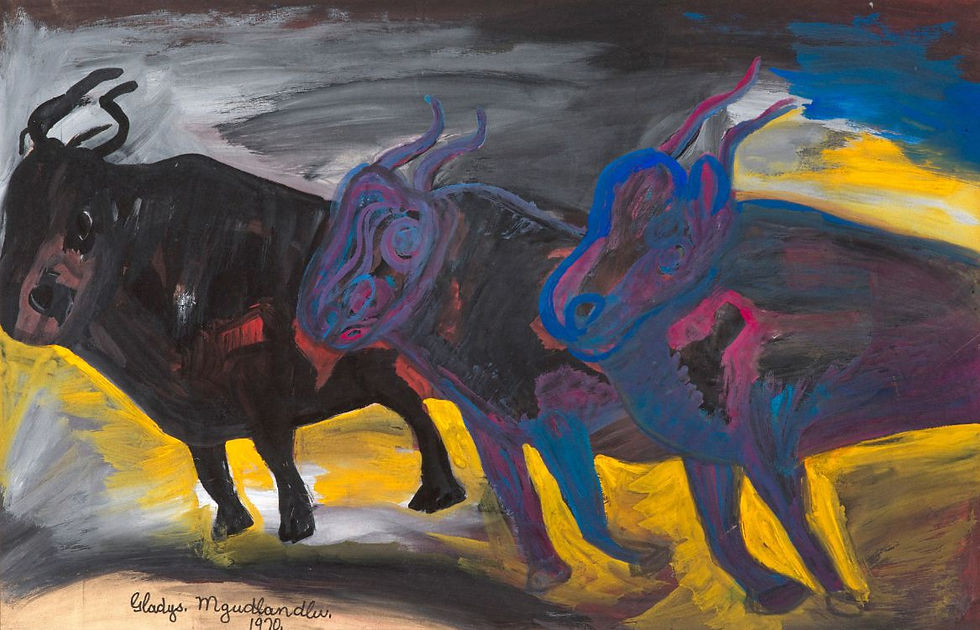
Gouache on Paper Signed and Dated 1970 49 cm x 74 cm

Gouache Signed 61 x 46 cm

Oil on Board 54 cm x 45 cm

#10 of Group of 10

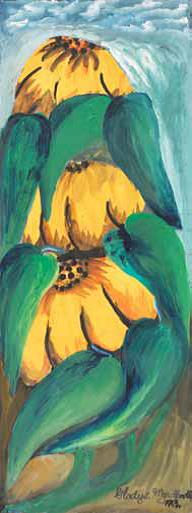
Gouache Signed and Dated 61 cm x 29 cm

#5 of Group of 10
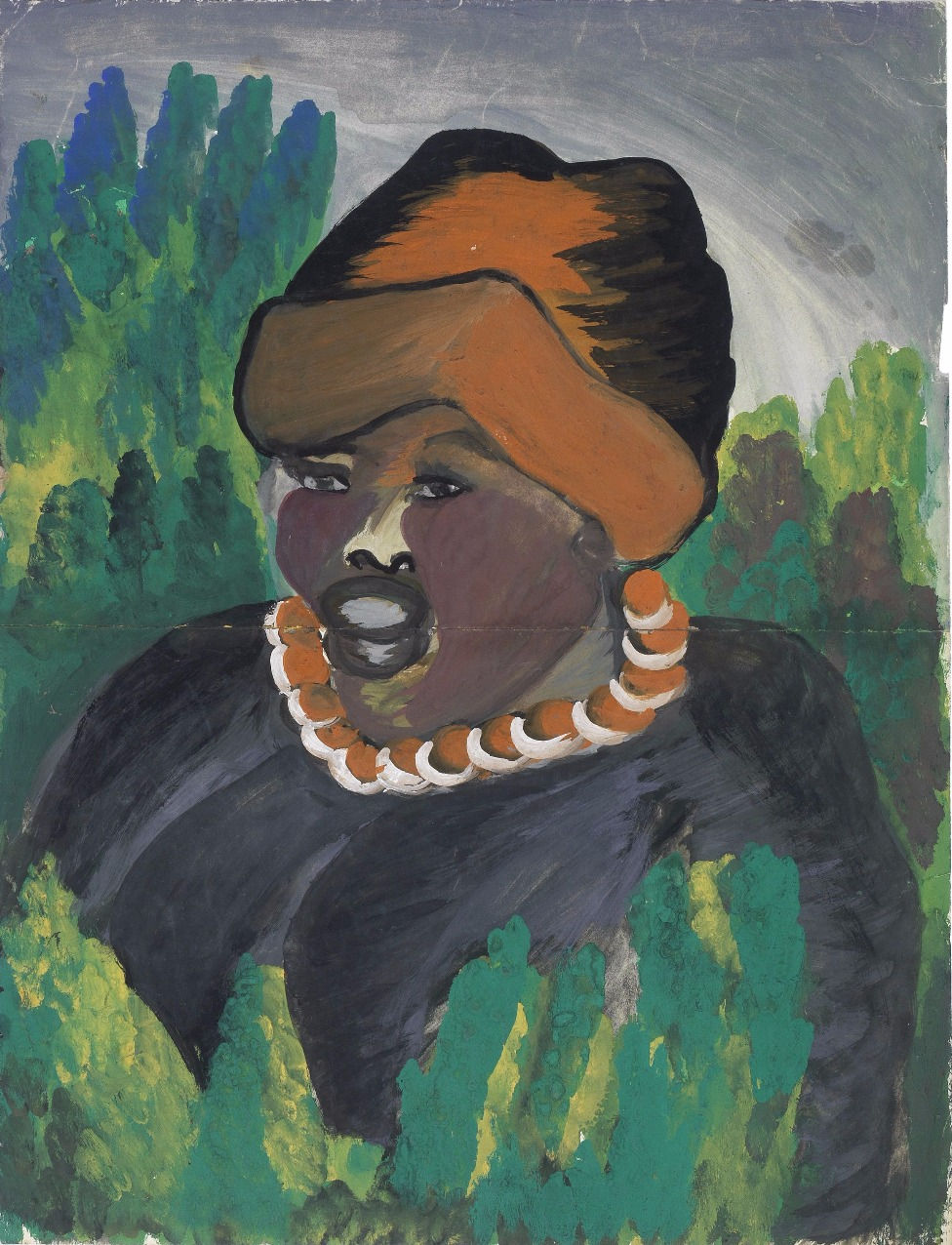
#9 of Group of 10

#2 of Group of 9

Gouache on paper Signed, dated "70 48.5 x 73.5 cm

Gouache Signed, dated 1965 50 x 75. 5 cm

Gouache Signed 46.5 x 73.5 cm

Gouche Signed; Dated 76 x 28 cm

Oil on Board Signed and Dated 1962 64 cm x44 cm

Acrylic on Paper Laid Down on Board 50 cm x 63.5 cm

#1 of Group of 10

#8 of Group of 10

#7 of Group of 9

#6 of Group of 9

#6 of Group of 10

Acrylic 56 cm x 37.5 cm

Gouache Signed 48 x 60.5 cm

Gouche on paper Signed 52 x 73 cm

Gouache Signed and Dated 1963 75.5 cm x 28 cm Signed Dated 1963

Signed 1962 Gouache on paper 49.5 x 58 cm

Oil on Canvas 40 cm x 32.5 cm

Acrylic on Paper Laid Down on Board Signed and Dated 69 48 cm x 32 cm

#8 of Group of 9

#3 of Group of 10

#3 of Group of 10

Gouache Signed 37.5 x 43.5 cm

#7 of Group of 10
Part of Mgudlandlu's rich heritage was the Eastern Cape bird lore. She knew the birds of the region intimately, called them her friends and painted them. Various birds of the Eastern Cape such as the honey bird, dove, pied crow, eagle, black-headed heron, African black oystercatcher, European oystercatcher and hawk feature in her paintings. She was even called 'uNontaka' ('the bird lady'). Although her birds appear imaginary, their habits and characteristics are identifiable. For Mgudlandlu birds become personalities. Her work suggests two viewpoints: one from below for birds and one from above for people. She said that the bird's eye-view went back to her childhood. As a child she often climbed the rock of the Zhosa mystic and seer Ntsikana. From the heights of the rock, she enjoyed the landscape and the bird's eye perspective was imprinted on her memory.

Gouache on paper 49.5 x 58 cm
Cattle
The occurrence of cattle is a fascinating aspect of Mgudlandlu's paintings. Being familiar with the customs of her people, she knew that Xhosa women were not allowed near cattle. Only men handled these animals. Yet cattle were a recurrent motif in her paintings. Initially she viewed them from a distance and small herds were shown in the landscape. Then, in the 1970s, she gave close-up portrayals of oxen in twos (Off to Plough) and threes (Cattle (plate 47)), showing their horns and lumbar portions. According to Xhosa bird lore, the lumbar portion of an ox's back was the raven's resting place. Ibid., page 44.
Ref: Elza Miles. (2002) Nomfanekiso, Who Paints at Night, The art of Gladys Mgudlandlu, Cape Town: Fernwood Press. Page 44 and illustrated in colour on page 49, plate 47