
Oil on canvas Signed 53 x 106 cm
Oil on canvas Signed 53 x 106 cm
Oil on canvas Signed 53 x 106 cm
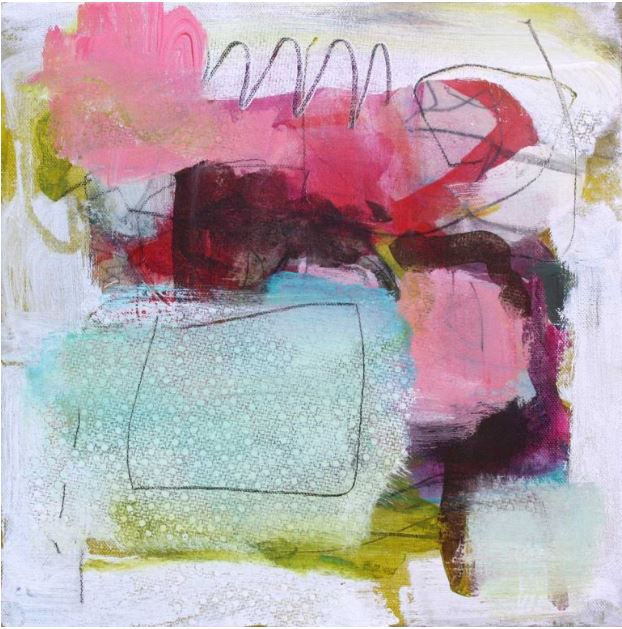
Acrylic on canvas 30.5 x 30.5 cm
Acrylic on canvas 30.5 x 30.5 cm
Acrylic on canvas 30.5 x 30.5 cm
Acrylic on canvas 30.5 x 30.5 cm
Acrylic on canvas 30.5 x 30.5 cm
Oil on canvas Signed 53 x 106 cm

Oil on Canvas 47.6 x 48.3 cm
Oil on Canvas 47.6 x 48.3 cm

Gouache on Paper 75 x 55 cm

Gouache on Paper 75 x 55 cm
Gouache on Paper 75 x 55 cm
Gouache on Paper 75 x 55 cm

Acrylic on Canvas 91.4 cm x 61 cm Signed lower right; titled and dated verso; unframed
Acrylic on Canvas 91.4 cm x 61 cm Signed lower right; titled and dated verso; unframed
Acrylic on Canvas 91.4 cm x 61 cm Signed lower right; titled and dated verso; unframed
Acrylic on Canvas 91.4 cm x 61 cm Signed lower right; titled and dated verso; unframed

Acrylic on Canvas 91.4 cm x 61 cm Dated 1996 Signed lower right, Titled and dated verso, Unframed
Northwest Coast
Inuit Sculpture Artist Unknown

Sedna Soapstone
Sedna Soapstone

High Fired Pottery 27.5 cm x 18.7 cm x 18.7 cm

Acrylic Painted Skull 44 cm x 20 cm

Oil on canvas Signed; Numbered 12-06 76 x 58 cm
Oil on canvas Signed; Numbered 12-06 76 x 58 cm
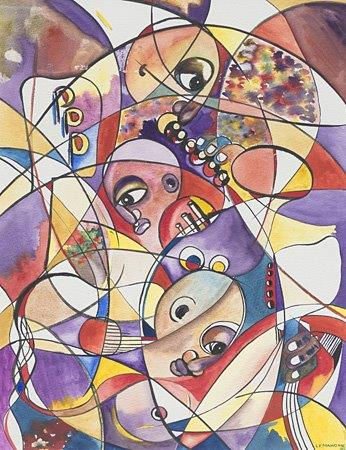
Watercolor Signed Dated 1993 36 x 28cm
Watercolor Signed Dated 1993 36 x 28cm
Watercolor Signed Dated 1993 36 x 28cm
Watercolor Signed Dated 1993 36 x 28cm

Rosewood Tables 78 cm x 150 cm x 54.5 cm
Rosewood Tables 78 cm x 150 cm x 54.5 cm
Rosewood Tables 78 cm x 150 cm x 54.5 cm
Rosewood Tables 78 cm x 150 cm x 54.5 cm
Rosewood Tables 78 cm x 150 cm x 54.5 cm
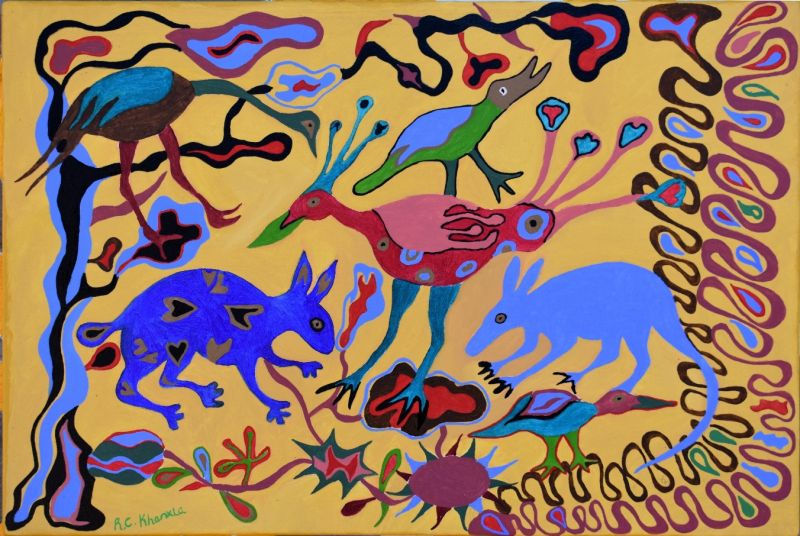
Oil on canvas 57.2 x 85.5 cm

Oil on Board Signed Dated 1962 90 cm x 65 cm
Oil on Board Signed Dated 1962 90 cm x 65 cm

Coloured pencil on paper 24.1 x 18.4 cm 2015
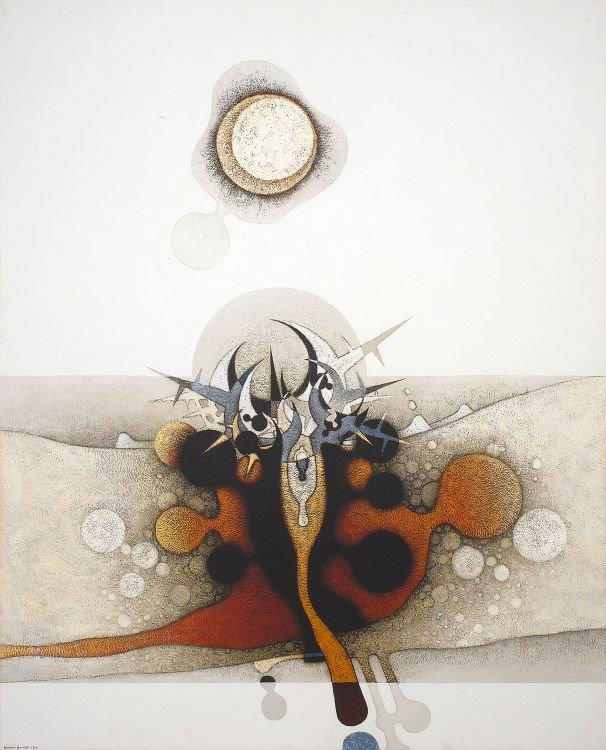
Sunburst Mixed Media on Board 122.5 x 99 cm
Sunburst Mixed Media on Board 122.5 x 99 cm
Bobbie Burgers
Bobbie Burgers is a contemporary Canadian painter. Her lush and Expressionistic depictions of flowers teeter on the verge of abstraction, bursting with bright color and laden with thickly applied, textural paint. “Flowers, to me, are the opposite of still,” the artist has explained. “Changing from minute to minute, they are perfect symbols for life, death, yearning, and beauty. My brushstrokes are layered with my own internal charges, depicting anger, frustration, softness, wanting, and more.” Born in 1973 in Vancouver, Canada, she studied Art History at the University of Victoria in British Columbia. Her work has been exhibited widely at home and abroad, notably including Art Market San Francisco and Equinox Gallery. Today, her works are in the collections of the Berost Corporation in Toronto and the Royal Bank of Canada, among others. Burgers lives and works in Vancouver, Canada.
Bobbie Burgers
Bobbie Burgers is a contemporary Canadian painter. Her lush and Expressionistic depictions of flowers teeter on the verge of abstraction, bursting with bright color and laden with thickly applied, textural paint. “Flowers, to me, are the opposite of still,” the artist has explained. “Changing from minute to minute, they are perfect symbols for life, death, yearning, and beauty. My brushstrokes are layered with my own internal charges, depicting anger, frustration, softness, wanting, and more.” Born in 1973 in Vancouver, Canada, she studied Art History at the University of Victoria in British Columbia. Her work has been exhibited widely at home and abroad, notably including Art Market San Francisco and Equinox Gallery. Today, her works are in the collections of the Berost Corporation in Toronto and the Royal Bank of Canada, among others. Burgers lives and works in Vancouver, Canada.
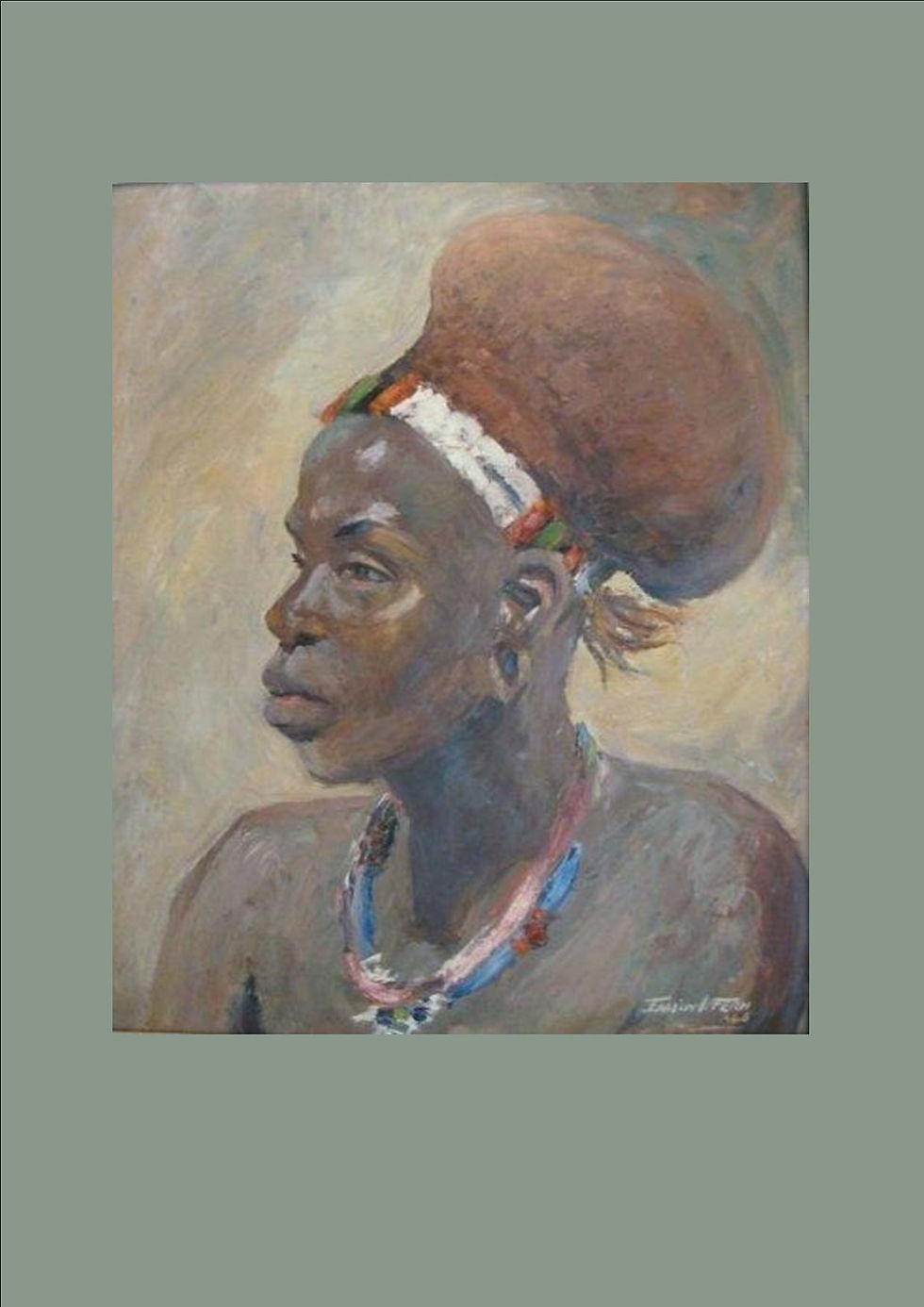
Oil on canvas Signed 32 x 39 cm
Oil on canvas Signed 32 x 39 cm

Oil on board 44 cm x 45 cm
Oil on board 44 cm x 45 cm

Oil on Canvas Dated 2012 75 cm x 57cm
Oil on Canvas Dated 2012 75 cm x 57cm

Oil Signed .Titled 88 x 120 cm
Oil Signed .Titled 88 x 120 cm

Mixed Media and Collage on canvas Signed Dated 16 163 cm x 160 cm
Mixed Media and Collage on canvas Signed Dated 16 163 cm x 160 cm
Mixed Media and Collage on canvas Signed Dated 16 163 cm x 160 cm

Oil on canvas Signed 53 x 106 cm

Acrylic on Board Signed 44 cm x 40 cm
Acrylic on Board Signed 44 cm x 40 cm

Colour Pencil on Paper Signed 16 cm x 11 cm
High Fired Pottery 27.5 cm x 18.7 cm x 18.7 cm

Signed Oil 24 cm x 35 cm
Contemporary South African Art
Matemera, Bernard
Bernard Matemera was a Zimbabwean sculptor. The sculptural movement of which he was part is usually referred to as "Shona sculpture" (see Shona art and Art of Zimbabwe), although some of its recognised members are not ethnically Shona. His whole professional career was spent at the Tengenenge Sculpture Community, 150 km north of Harare near Guruve.
Bernard Matemera died in March 2006.
Early Life and Work
Matemera was the son of a village headman, living near the town of Guruve, Mashonaland in the far north of what was, in 1946, Southern Rhodesia. He spoke Zezuru, one of the Shona dialects, and had four years of formal primary schooling: like other boys, he herded cattle, made clay pots and carved wood. In 1963 Bernard was working as a contract tractor driver for tobacco farmers in Tengenenge and met Tom Blomefield, whose farm had extensive deposits of serpentine stone suitable for carving.
By 1966, Blomefield wanted to diversify the use of his land and welcomed new sculptors onto it to form a community of working artists. This was in part because at that time there were international sanctions against Rhodesia’s white government led by Ian Smith, who had declared Unilateral Declaration of Independence in 1965, and tobacco was no longer able to generate sufficient income. Matemara was one of the first artists to take up sculpting full-time, joining others including Henry Munyaradzi, Josia Manzi, Fanizani Akuda, Sylvester Mubayi and Leman Moses, who formed part of what is now called the First Generation of Zimbabwean sculptors in hard stones.
Works by Matemera and his colleagues were exhibited in the Rhodes National Gallery whose founding director, Frank McEwen, was very influential in bringing them to the attention of the international art community. Matemera first contributed to the Annual Exhibitions in the Gallery in 1967 and 1968: in 1969 McEwen took a group of works, mainly from Tengenenge, to the Museum of Modern Art in New York and elsewhere in the US, to critical acclaim.
Later Life and Exhibitions
Matemera had two wives, with whom he had eight children, and he stayed at Tengenenge throughout the war for Zimbabwean Independence at a time when many other artists abandoned their way of life.
He became the symbolic leader of the community and from the 1980s gained worldwide recognition, with works included in exhibitions in the US, UK, Germany, The Netherlands and elsewhere.
Matemera’s sculptures are in the permanent collections of the National Gallery of Zimbabwe, the Chapungu Sculpture Park, the Museum fur Völkerkunde, Frankfurt and many others. In 1987, Bernard was invited to Yugoslavia to make a large sculpture at the Josip Broz Tito Museum in Titograd. Celia Winter-Irving chose Bernard's work "Man turning into hippo" to illustrate the front cover of the paperback version of her classic book on Zimbabwean sculpture.
Many of Bernard's exhibition pieces, such as Great Spirit Woman (Serpentine, 1982), have toured worldwide; for example to the Yorkshire Sculpture Park in 1990,[5] which depicts it on the front cover of the exhibition's catalogue. The catalogue "Chapungu: Culture and Legend – A Culture in Stone" for the exhibition at Kew Gardens in 2000 has pictures of this and four other of Matemera’s sculptures: Chapungu (Serpentine) on p. 2, The Man who Ate his Totem (Springstone, 1998) on p. 42-43, Young Bull (Springstone, 1992) on p. 54-55,
Metamorphosis (Springstone, 1995) on p. 94-95 and "Earth Spirit" (Serpentine, 1988) on p. 96-97. Several of these have characteristic rounded body-shapes and only two or three fingers or toes on each hand or foot.
As explained by Olivier Sultan, "Matemera finds his inspiration in his dreams. He was haunted by 3-fingered beings, a residual myth or memory, of a tribe that live in the northern part of the country. His massive pieces have a bewitching character, halfway between the comic and the tragic." figure with exaggerated lips
Matemera sculpted mainly in grey or black serpentine, finishing his work to a uniform polished surface. His subjects were animals, people or fantasy spirit creatures. None were rendered in a true-to-life way: he preferred to show exaggerated curves of breast, buttock or belly-button to reveal the relationship between humans, animals and the spirit world. As Celia Winter-Irving commented in her biography of Bernard:
Matemera deals in pleasures of the flesh. To him sexuality means a healthy appetite, to be nourished with opportunity and spiced with variety. His sculptures speak in a highly suggestive body language. He is the creator of sculpture in the raw — huge naked figures with breasts, buttocks and bulges, charged with sexual energy and all at odds with their massive proportion and bulk.... There is in these sculptures an unspent power and a reserve of energy.
Selected Solo or Group Exhibitions
-
1968 New African Art, MOMA, New York, US
-
1969 Lidchi Art Gallery, South Africa
-
1980 Feingarten Gallery, Los Angeles, US
-
1981 Art from Africa, London
-
1982 Janet Fleisher Gallery, Philadelphia, US
-
1985 Kresge Art Museum, Michigan, US
-
1988 African metamorphosis, National Gallery, Harare, Zimbabwe
-
1989 Whispering the Gospel of Sculpture, National Gallery of Zimbabwe
-
1989 Zimbabwe op de Berg, Foundation Beelden op de Berg, Wageningen, The Netherlands
-
1990 Contemporary, stone carving from Zimbabwe, Millesgarden Museum, Stockholm, Sweden and Yorkshire Sculpture Park, UK
-
1991 Milt Pinsel und Muszel, Germany
-
1992 Stone Sculpture, Zimbabwe, CCrt Galleries, UK
-
1994 Tengenenge Old Tengenenge New, Afrika Museum, Berg en Dal, The Netherlands
-
1997 Musee de Jardin, Paris, France
-
1998 Botanic Garden, Hamburg, Germany
-
2000 Chapungu: Custom and Legend – A Culture in Stone, Kew Gardens, UK
Refence: https://en.wikipedia.org/wiki/Bernard_Matemera

Signed Serpentine Height 34 cm

Steatite 62 cm