
Oil on canvas Signed 53 x 106 cm
Oil on canvas Signed 53 x 106 cm
Oil on canvas Signed 53 x 106 cm
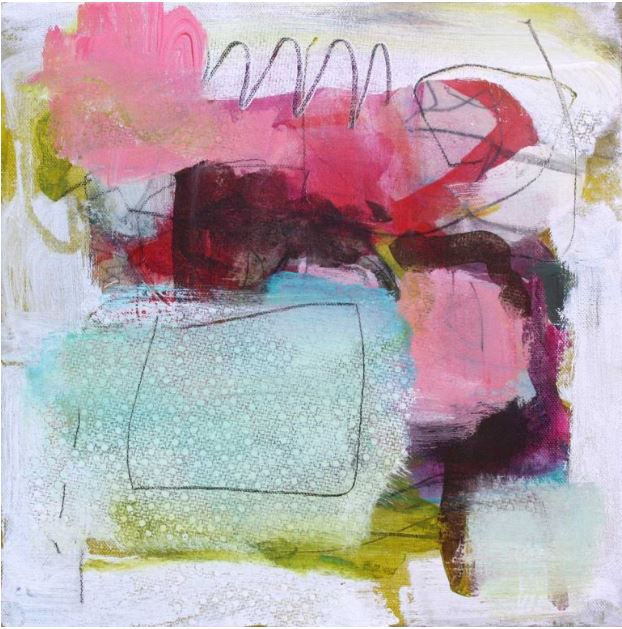
Acrylic on canvas 30.5 x 30.5 cm
Acrylic on canvas 30.5 x 30.5 cm
Acrylic on canvas 30.5 x 30.5 cm
Acrylic on canvas 30.5 x 30.5 cm
Acrylic on canvas 30.5 x 30.5 cm
Oil on canvas Signed 53 x 106 cm

Oil on Canvas 47.6 x 48.3 cm
Oil on Canvas 47.6 x 48.3 cm

Gouache on Paper 75 x 55 cm

Gouache on Paper 75 x 55 cm
Gouache on Paper 75 x 55 cm
Gouache on Paper 75 x 55 cm

Acrylic on Canvas 91.4 cm x 61 cm Signed lower right; titled and dated verso; unframed
Acrylic on Canvas 91.4 cm x 61 cm Signed lower right; titled and dated verso; unframed
Acrylic on Canvas 91.4 cm x 61 cm Signed lower right; titled and dated verso; unframed
Acrylic on Canvas 91.4 cm x 61 cm Signed lower right; titled and dated verso; unframed

Acrylic on Canvas 91.4 cm x 61 cm Dated 1996 Signed lower right, Titled and dated verso, Unframed
Northwest Coast
Inuit Sculpture Artist Unknown

Sedna Soapstone
Sedna Soapstone

High Fired Pottery 27.5 cm x 18.7 cm x 18.7 cm

Acrylic Painted Skull 44 cm x 20 cm

Oil on canvas Signed; Numbered 12-06 76 x 58 cm
Oil on canvas Signed; Numbered 12-06 76 x 58 cm
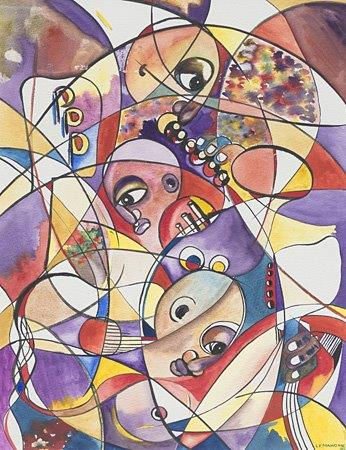
Watercolor Signed Dated 1993 36 x 28cm
Watercolor Signed Dated 1993 36 x 28cm
Watercolor Signed Dated 1993 36 x 28cm
Watercolor Signed Dated 1993 36 x 28cm

Rosewood Tables 78 cm x 150 cm x 54.5 cm
Rosewood Tables 78 cm x 150 cm x 54.5 cm
Rosewood Tables 78 cm x 150 cm x 54.5 cm
Rosewood Tables 78 cm x 150 cm x 54.5 cm
Rosewood Tables 78 cm x 150 cm x 54.5 cm
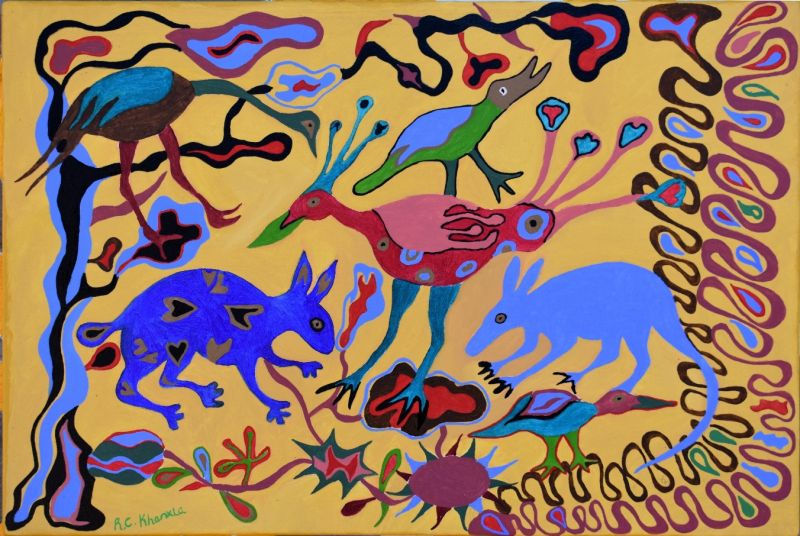
Oil on canvas 57.2 x 85.5 cm

Oil on Board Signed Dated 1962 90 cm x 65 cm
Oil on Board Signed Dated 1962 90 cm x 65 cm

Coloured pencil on paper 24.1 x 18.4 cm 2015
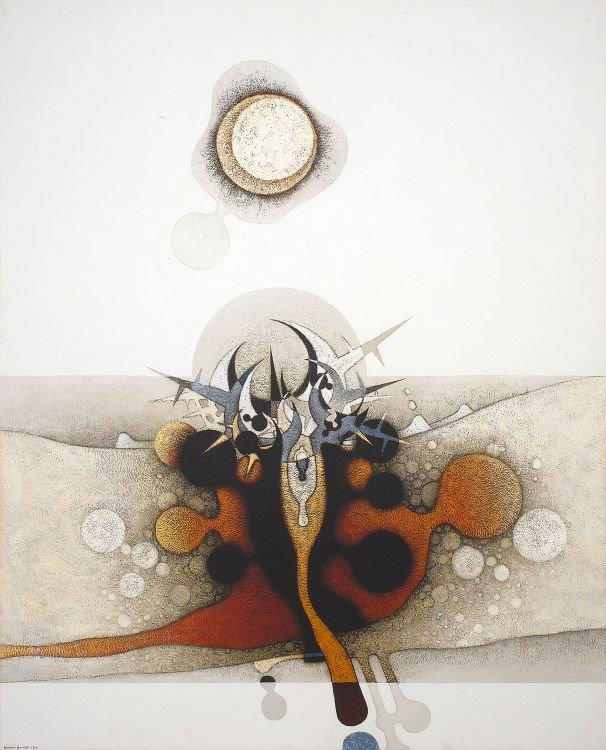
Sunburst Mixed Media on Board 122.5 x 99 cm
Sunburst Mixed Media on Board 122.5 x 99 cm
Bobbie Burgers
Bobbie Burgers is a contemporary Canadian painter. Her lush and Expressionistic depictions of flowers teeter on the verge of abstraction, bursting with bright color and laden with thickly applied, textural paint. “Flowers, to me, are the opposite of still,” the artist has explained. “Changing from minute to minute, they are perfect symbols for life, death, yearning, and beauty. My brushstrokes are layered with my own internal charges, depicting anger, frustration, softness, wanting, and more.” Born in 1973 in Vancouver, Canada, she studied Art History at the University of Victoria in British Columbia. Her work has been exhibited widely at home and abroad, notably including Art Market San Francisco and Equinox Gallery. Today, her works are in the collections of the Berost Corporation in Toronto and the Royal Bank of Canada, among others. Burgers lives and works in Vancouver, Canada.
Bobbie Burgers
Bobbie Burgers is a contemporary Canadian painter. Her lush and Expressionistic depictions of flowers teeter on the verge of abstraction, bursting with bright color and laden with thickly applied, textural paint. “Flowers, to me, are the opposite of still,” the artist has explained. “Changing from minute to minute, they are perfect symbols for life, death, yearning, and beauty. My brushstrokes are layered with my own internal charges, depicting anger, frustration, softness, wanting, and more.” Born in 1973 in Vancouver, Canada, she studied Art History at the University of Victoria in British Columbia. Her work has been exhibited widely at home and abroad, notably including Art Market San Francisco and Equinox Gallery. Today, her works are in the collections of the Berost Corporation in Toronto and the Royal Bank of Canada, among others. Burgers lives and works in Vancouver, Canada.
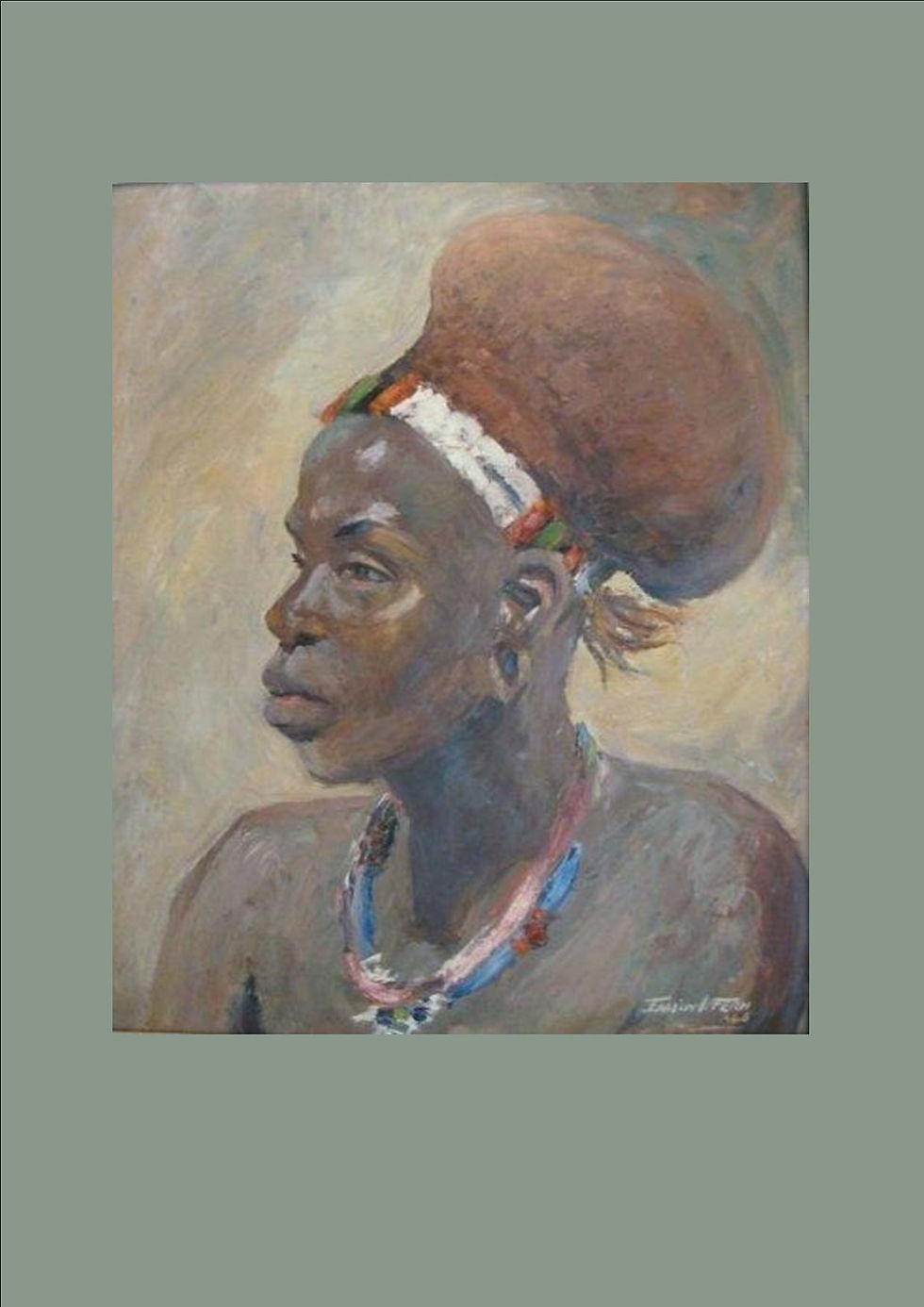
Oil on canvas Signed 32 x 39 cm
Oil on canvas Signed 32 x 39 cm

Oil on board 44 cm x 45 cm
Oil on board 44 cm x 45 cm

Oil on Canvas Dated 2012 75 cm x 57cm
Oil on Canvas Dated 2012 75 cm x 57cm

Oil Signed .Titled 88 x 120 cm
Oil Signed .Titled 88 x 120 cm

Mixed Media and Collage on canvas Signed Dated 16 163 cm x 160 cm
Mixed Media and Collage on canvas Signed Dated 16 163 cm x 160 cm
Mixed Media and Collage on canvas Signed Dated 16 163 cm x 160 cm

Oil on canvas Signed 53 x 106 cm

Acrylic on Board Signed 44 cm x 40 cm
Acrylic on Board Signed 44 cm x 40 cm

Colour Pencil on Paper Signed 16 cm x 11 cm
High Fired Pottery 27.5 cm x 18.7 cm x 18.7 cm

Signed Oil 24 cm x 35 cm
Contemporary South African Art
Madiba, Ezekiel
Ezekiel Madiba also known as Boycie, attended the Eastwood Public School in Tshwane, Pretoria. His family has Ndebele roots and his father originally comes from Polowane, then known
as Pietersburg, where Madiba was born in 1948.
The family later moved to Walmansthal where
he attended the Lethabong Secondary school
and obtained his junior certificate, standard 10.
Madiba attended art classes and became interested in wood carving and drawing. After school he moved to Ga-Rankuwa and started the first of many jobs in Tshwane. One of the jobs was in a curtain factory where he later worked in their design studio. Here he learnt about textile designing, photographic processes and silk-screen. He later moved to a semi-precious stone cutting business where he did some stone carving in the studio.
In 1971 Madiba decided to devote himself to his
art full time. He moved to Mobopane, a township
to the north of Tshwane, where he still lives with his family. As an artist he did not initially receive much support as many older people regarded being an artist a strange, non-paying occupation.
Besides a few classes at school, Boycie is mainly self-taught. He became friendly with the artists Raymond Andrews who is well known for his woodblock prints and learnt the woodcut technique from him, which has become his main medium.
He was one of a group of artists who met regularly and who participated in group exhibitions organized by the late Geoff Mpakati, a well known patron
of the arts. The group included Lubisi, Phoshoko and Nkoana. Many of the exhibitions were held
at foreign embassies in Pretoria and many of the artworks were bought by Diplomats.
From the beginning the artist was mainly interested in depicting the people of his environment and township, life of black people
in South Africa. He captures this with feeling
and often humorous warmth.
The Christian faith, traditional customs and the mood of the people are depicted mainly in simple black and white. The titles of his woodblock prints reveal his interests, for example The Musicians, The Blues, The Crucifix, Mother and Child and Isangoma. The scenes often have a central figure or two, or three strong figures surrounded by decorative shapes. He sometimes uses distortion to emphasize certain emotion.
Madiba has a strong sense of composition and
the distribution of shapes and black and white planes is always well balanced

Woodcut Signed Titled No 3-20 Dated '92 37 x 58 cm

2 Woodcuts Signed, Titled & Dated 81 No 1-20 & 9-20 50 cm x 38 cm each

Linocut Date 98 No 12-50 32 cm x 22 cm

Painted and incised wood panel Signed 29 x 49 cm

Woodcut Signed & Dated 80 No 10-20 18.5 cm x 54.5 cm

2 Woodcuts Signed, Titled & Dated 81 No 5-20 & 3-20 50 cm x 38 cm
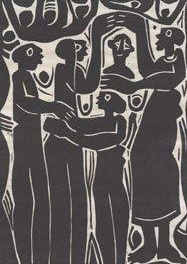
Linocut Date 98 No 12-50 32 cm x 22 cm

Carved Wood Height 74 cm