
Oil on canvas Signed 53 x 106 cm
Oil on canvas Signed 53 x 106 cm
Oil on canvas Signed 53 x 106 cm
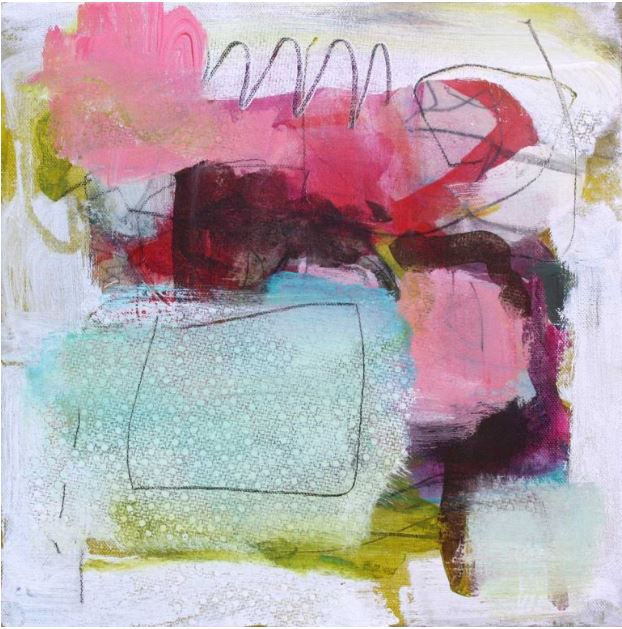
Acrylic on canvas 30.5 x 30.5 cm
Acrylic on canvas 30.5 x 30.5 cm
Acrylic on canvas 30.5 x 30.5 cm
Acrylic on canvas 30.5 x 30.5 cm
Acrylic on canvas 30.5 x 30.5 cm
Oil on canvas Signed 53 x 106 cm

Oil on Canvas 47.6 x 48.3 cm
Oil on Canvas 47.6 x 48.3 cm

Gouache on Paper 75 x 55 cm

Gouache on Paper 75 x 55 cm
Gouache on Paper 75 x 55 cm
Gouache on Paper 75 x 55 cm

Acrylic on Canvas 91.4 cm x 61 cm Signed lower right; titled and dated verso; unframed
Acrylic on Canvas 91.4 cm x 61 cm Signed lower right; titled and dated verso; unframed
Acrylic on Canvas 91.4 cm x 61 cm Signed lower right; titled and dated verso; unframed
Acrylic on Canvas 91.4 cm x 61 cm Signed lower right; titled and dated verso; unframed

Acrylic on Canvas 91.4 cm x 61 cm Dated 1996 Signed lower right, Titled and dated verso, Unframed
Northwest Coast
Inuit Sculpture Artist Unknown

Sedna Soapstone
Sedna Soapstone

High Fired Pottery 27.5 cm x 18.7 cm x 18.7 cm

Acrylic Painted Skull 44 cm x 20 cm

Oil on canvas Signed; Numbered 12-06 76 x 58 cm
Oil on canvas Signed; Numbered 12-06 76 x 58 cm
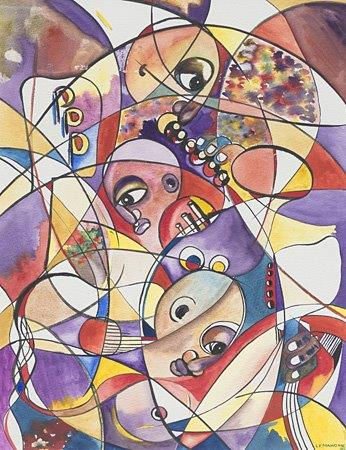
Watercolor Signed Dated 1993 36 x 28cm
Watercolor Signed Dated 1993 36 x 28cm
Watercolor Signed Dated 1993 36 x 28cm
Watercolor Signed Dated 1993 36 x 28cm

Rosewood Tables 78 cm x 150 cm x 54.5 cm
Rosewood Tables 78 cm x 150 cm x 54.5 cm
Rosewood Tables 78 cm x 150 cm x 54.5 cm
Rosewood Tables 78 cm x 150 cm x 54.5 cm
Rosewood Tables 78 cm x 150 cm x 54.5 cm
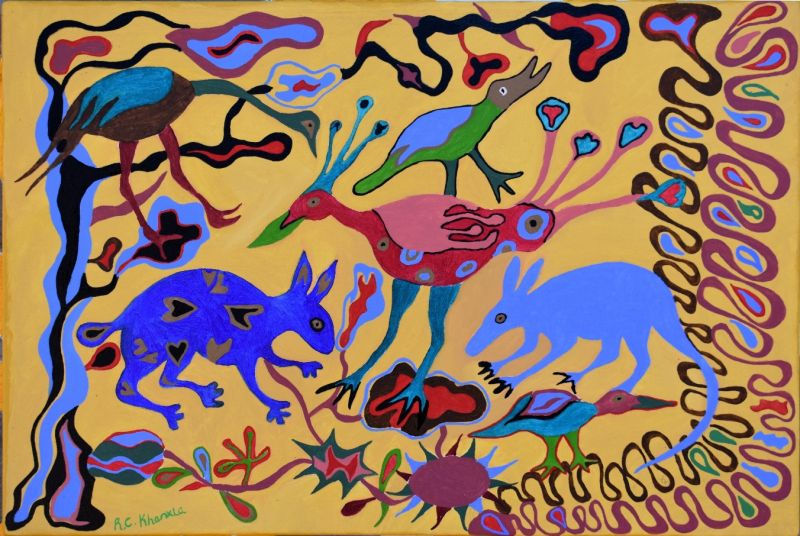
Oil on canvas 57.2 x 85.5 cm

Oil on Board Signed Dated 1962 90 cm x 65 cm
Oil on Board Signed Dated 1962 90 cm x 65 cm

Coloured pencil on paper 24.1 x 18.4 cm 2015
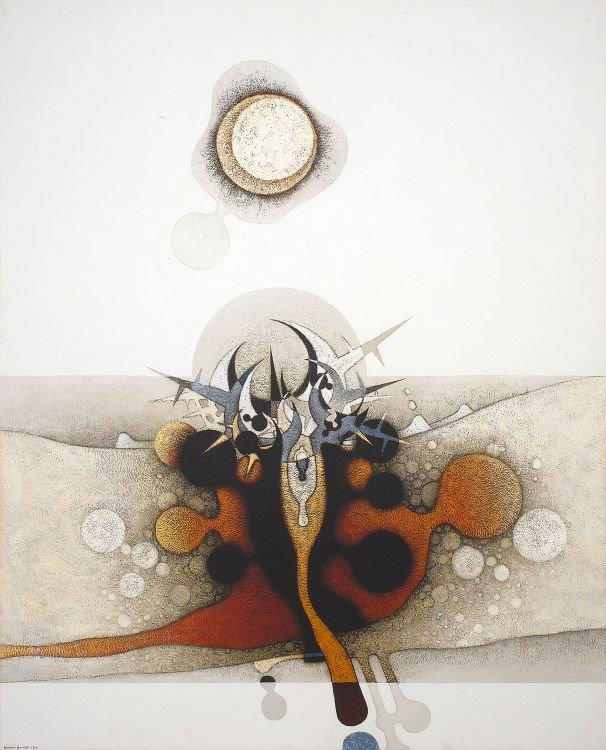
Sunburst Mixed Media on Board 122.5 x 99 cm
Sunburst Mixed Media on Board 122.5 x 99 cm
Bobbie Burgers
Bobbie Burgers is a contemporary Canadian painter. Her lush and Expressionistic depictions of flowers teeter on the verge of abstraction, bursting with bright color and laden with thickly applied, textural paint. “Flowers, to me, are the opposite of still,” the artist has explained. “Changing from minute to minute, they are perfect symbols for life, death, yearning, and beauty. My brushstrokes are layered with my own internal charges, depicting anger, frustration, softness, wanting, and more.” Born in 1973 in Vancouver, Canada, she studied Art History at the University of Victoria in British Columbia. Her work has been exhibited widely at home and abroad, notably including Art Market San Francisco and Equinox Gallery. Today, her works are in the collections of the Berost Corporation in Toronto and the Royal Bank of Canada, among others. Burgers lives and works in Vancouver, Canada.
Bobbie Burgers
Bobbie Burgers is a contemporary Canadian painter. Her lush and Expressionistic depictions of flowers teeter on the verge of abstraction, bursting with bright color and laden with thickly applied, textural paint. “Flowers, to me, are the opposite of still,” the artist has explained. “Changing from minute to minute, they are perfect symbols for life, death, yearning, and beauty. My brushstrokes are layered with my own internal charges, depicting anger, frustration, softness, wanting, and more.” Born in 1973 in Vancouver, Canada, she studied Art History at the University of Victoria in British Columbia. Her work has been exhibited widely at home and abroad, notably including Art Market San Francisco and Equinox Gallery. Today, her works are in the collections of the Berost Corporation in Toronto and the Royal Bank of Canada, among others. Burgers lives and works in Vancouver, Canada.
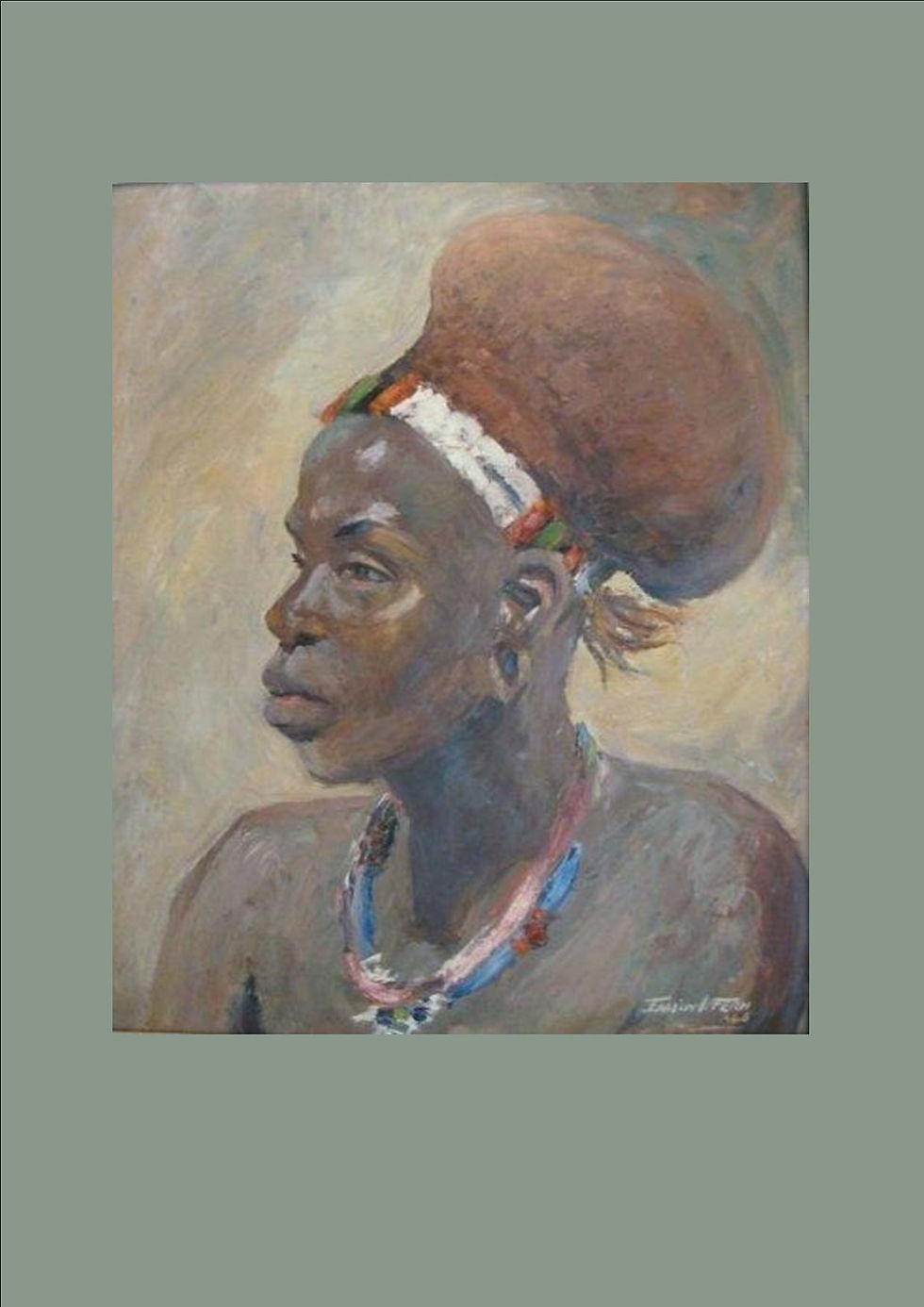
Oil on canvas Signed 32 x 39 cm
Oil on canvas Signed 32 x 39 cm

Oil on board 44 cm x 45 cm
Oil on board 44 cm x 45 cm

Oil on Canvas Dated 2012 75 cm x 57cm
Oil on Canvas Dated 2012 75 cm x 57cm

Oil Signed .Titled 88 x 120 cm
Oil Signed .Titled 88 x 120 cm

Mixed Media and Collage on canvas Signed Dated 16 163 cm x 160 cm
Mixed Media and Collage on canvas Signed Dated 16 163 cm x 160 cm
Mixed Media and Collage on canvas Signed Dated 16 163 cm x 160 cm

Oil on canvas Signed 53 x 106 cm

Acrylic on Board Signed 44 cm x 40 cm
Acrylic on Board Signed 44 cm x 40 cm

Colour Pencil on Paper Signed 16 cm x 11 cm
High Fired Pottery 27.5 cm x 18.7 cm x 18.7 cm

Signed Oil 24 cm x 35 cm
Contemporary South African Art
Janvier, Alex
Born of Dene Suline and Saulteaux descent in 1935, Alex Janvier was raised in the nurturing care of his family until the age of eight. At this age, the young Janvier was uprooted from his home and sent to the Blue Quills Indian Residential School near St. Paul, Alberta. Although Janvier speaks of having a creative instinct from as far back as he can remember, it was at the residential school that he was given the tools to create his first paintings. Unlike many aboriginal artists of his time, Janvier received formal training from the Alberta College of Art and Design in Calgary and graduated with honours in 1960. Immediately after graduation, Janvier took up an opportunity to instruct art at the University of Alberta.
While Alex recognizes the artists Wassily Kandinsky (Russian) and Paul Klee (Swiss) as influences, his style is unique. Many of his masterpieces involve an eloquent blend of both abstract and representational images with bright, often symbolic colours. As a First Nations person emerging from a history of oppression and many struggles for cultural empowerment, Janvier paints both the challenges and celebrations that he has encountered in his lifetime. Alex proudly credits the beadwork and birch bark basketry of his mother and other relatives as influencing his art.
As a member of the commonly referred to 'Indian Group of Seven', Janvier is one of the significant pioneering aboriginal artists in Canada, and as such has influenced many generations of aboriginal artists. At an age nearing 69, Janvier is recognized as an artist, a muralist, a printmaker, an educator, and a political activist. By virtue of his art, Janvier was selected to represent Canada in a Canadian/Chinese Cultural Exchange in 1985. Although he has finished over one dozen murals nationally, Janvier speaks of the 450 squared meter masterpiece entitled 'Morning Star' at the Canadian Museum of Civilization, as a major highlight in his career. In January 2004, one of Janvier's works will be displayed in Paris, France at the Canadian Forum on Cultural Enterprise. In recognition of his success, Alex Janvier recently received three prestigious Lifetime Achievement Awards from the National Aboriginal Achievement Foundation, The Tribal Chiefs Institute, and The Cold Lake First Nations. Janvier's passion and natural talents for creative expression remains strong to this day.
Northern Habitat
NOTES
signed and inscribed with treaty number centre left; titled and inscribed
'ER-009' verso; framed; some surface dirt noted
REFERENCE
this painting was commissioned from the artist around the same time that
Janvier and architect Peter Hemingway were working on the mural for the
Muttart Conservatory, Edmonton called The Circle of Life; see an image of
the mural on page 49 in Alex Janvier published for the National Gallery of
Canada, 2016; Peter Hemingway, one of Edmonton's leading architects -
befriended Janvier at a sweat lodge ceremony. The two went on collaborate
on four projects together incorporating the artist's murals including the
Muttart Conservatory in Edmonton, 1976
PROVENANCE
purchased from the artist when the artist and the owner were involved in
the construction of the Muttart Conservatory in Edmonton, 1976; from an
Edmonton estate

Acrylic on Canvas 61 cm x 50.8 cm

Acrylic on linen 61 cm x 76.2 cm Signed 1935

Untitled Watercolour on paper 1971 22.9 x 29.8 cm

Acrylic on Paper Signed 76.8 x 57.8
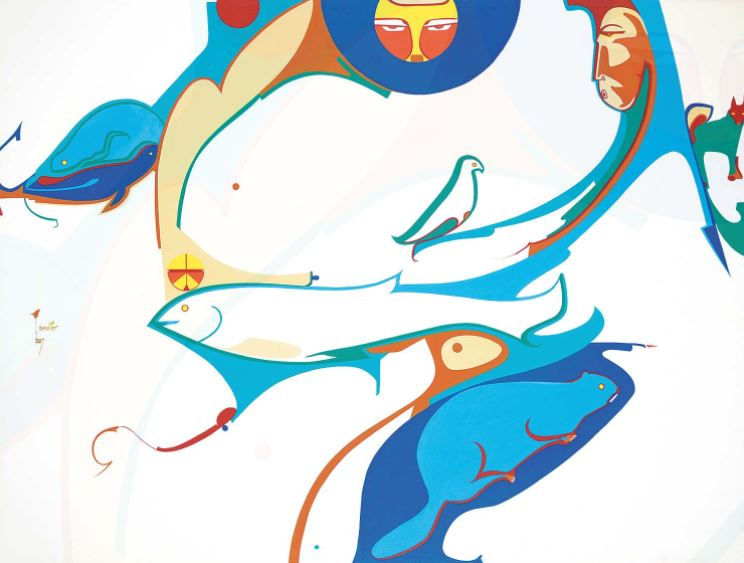
Acrylic on Canvas 91.4 x 121.9 cm Signed 1976

Gouche on Paper Signed 25.3 cm x 33.5 cm Landos May 2021

Gouche on Paper 36.2 cm x 58.4 cm Signed Incribed Artists Treat No 287
Provenance:
Wallace Galleries, Calgary
Private Collection, Calgary
Literature:
Greg Hill, Lee-Ann Martin and Chris Dueker, Alex Janvier, National Gallery of Canada, Ottawa, 2016, pages 12, 18 and 23 One of Canada's most celebrated Indigenous artists, Alex Janvier leaves an indelible mark on Canadian art history. Living on Cold Lake First Nation territory for the majority of his life, Janvier has an intimate relationship with the land as its custodian and advocate. In the creation of his artworks, Janvier draws upon his traditional Dene cultural views, merging Indigenous and Western visual languages.
Janvier's distinctive swirling tendrils of colour in "#26 Amerindian Time Capsule" twist and drift over the surface, segregating bands of bright colours with smoke-like movement. As the inset rider and horse float above the mountain range, red ribbons of colour move aerodynamically over the forms, visually communicating the spiritual connection of man, animal and land to creation.
Curator Lee-Ann Martin explains that the socio-political issues of the Oka Crisis and Primrose Lake land claim hearings of the 1990s deeply impacted Janvier. Martin writes: "Janvier's paintings took a sharp turn toward representation. It was an especially active period of resistance on the part of Indigenous protectors of Land and resources to stand up against oppression. It coincides with the development of Janvier's ideas of landlordship and the need to communicate these values and the historical misdoings of the dominating society." In this painting, the idea of landlordship is acutely expressed. The rider takes the form of the overseer of the land in a custodian capacity, reflecting Indigenous teachings and views on human interaction with nature.

Dated 1978 Acrylic on linen Signed 40.6 cm x 50.2 cm

Watercolour on Paper 66 cm x 49 cm

Untitled - Detailed Movement Gouche on Paper 57 x 76 cm

Who Will Listen Gouche on Paper 57 cm x 76 cm Signed Levis April 2021

Watercolor on Paper

Acrylic on Canvas 45.7 cm x 35.6 cm

Acrylic on Canvas 30.5 cm x 40.6 cm Signed
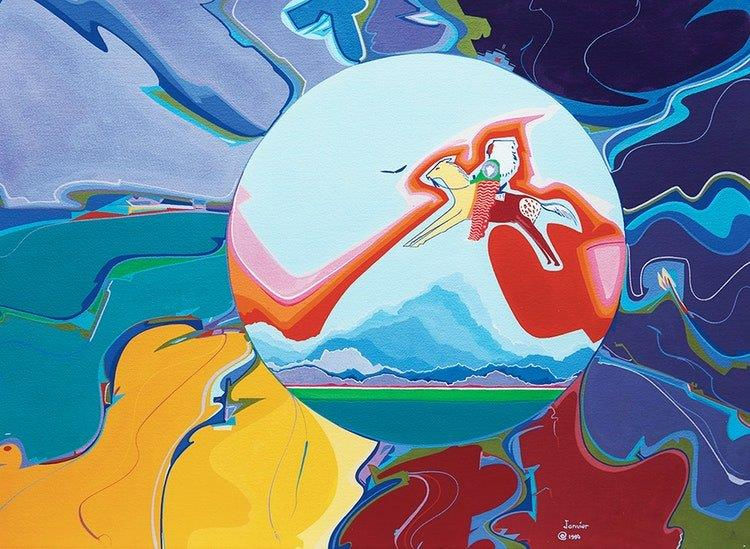
Gouche Signed Dated 1990 57.2 cm x 76.2 cm

Watercolor on Paper Signed 48.4 cm x 48.4 cm

Acrylic on Woven Paper 33 cm x 0 cm diameter Signed Date 1992

Acrylic on Canvas 61 x 76.2 cm Signed lower right