
Oil on canvas Signed 53 x 106 cm
Oil on canvas Signed 53 x 106 cm
Oil on canvas Signed 53 x 106 cm
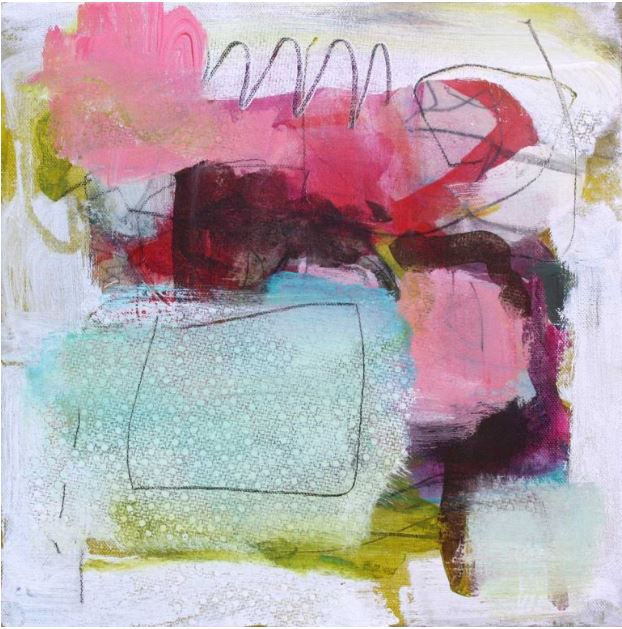
Acrylic on canvas 30.5 x 30.5 cm
Acrylic on canvas 30.5 x 30.5 cm
Acrylic on canvas 30.5 x 30.5 cm
Acrylic on canvas 30.5 x 30.5 cm
Acrylic on canvas 30.5 x 30.5 cm
Oil on canvas Signed 53 x 106 cm

Oil on Canvas 47.6 x 48.3 cm
Oil on Canvas 47.6 x 48.3 cm

Gouache on Paper 75 x 55 cm

Gouache on Paper 75 x 55 cm
Gouache on Paper 75 x 55 cm
Gouache on Paper 75 x 55 cm

Acrylic on Canvas 91.4 cm x 61 cm Signed lower right; titled and dated verso; unframed
Acrylic on Canvas 91.4 cm x 61 cm Signed lower right; titled and dated verso; unframed
Acrylic on Canvas 91.4 cm x 61 cm Signed lower right; titled and dated verso; unframed
Acrylic on Canvas 91.4 cm x 61 cm Signed lower right; titled and dated verso; unframed

Acrylic on Canvas 91.4 cm x 61 cm Dated 1996 Signed lower right, Titled and dated verso, Unframed
Northwest Coast
Inuit Sculpture Artist Unknown

Sedna Soapstone
Sedna Soapstone

High Fired Pottery 27.5 cm x 18.7 cm x 18.7 cm

Acrylic Painted Skull 44 cm x 20 cm

Oil on canvas Signed; Numbered 12-06 76 x 58 cm
Oil on canvas Signed; Numbered 12-06 76 x 58 cm
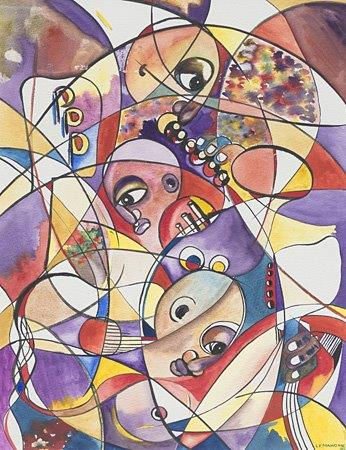
Watercolor Signed Dated 1993 36 x 28cm
Watercolor Signed Dated 1993 36 x 28cm
Watercolor Signed Dated 1993 36 x 28cm
Watercolor Signed Dated 1993 36 x 28cm

Rosewood Tables 78 cm x 150 cm x 54.5 cm
Rosewood Tables 78 cm x 150 cm x 54.5 cm
Rosewood Tables 78 cm x 150 cm x 54.5 cm
Rosewood Tables 78 cm x 150 cm x 54.5 cm
Rosewood Tables 78 cm x 150 cm x 54.5 cm
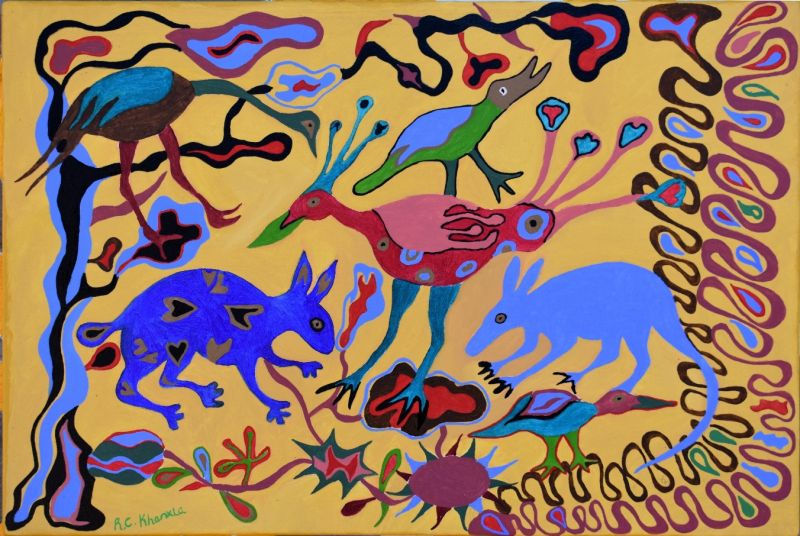
Oil on canvas 57.2 x 85.5 cm

Oil on Board Signed Dated 1962 90 cm x 65 cm
Oil on Board Signed Dated 1962 90 cm x 65 cm

Coloured pencil on paper 24.1 x 18.4 cm 2015
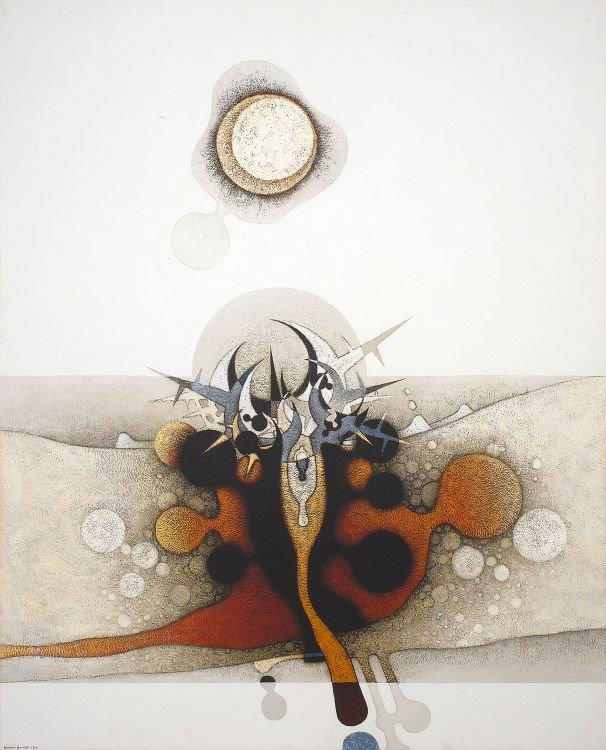
Sunburst Mixed Media on Board 122.5 x 99 cm
Sunburst Mixed Media on Board 122.5 x 99 cm
Bobbie Burgers
Bobbie Burgers is a contemporary Canadian painter. Her lush and Expressionistic depictions of flowers teeter on the verge of abstraction, bursting with bright color and laden with thickly applied, textural paint. “Flowers, to me, are the opposite of still,” the artist has explained. “Changing from minute to minute, they are perfect symbols for life, death, yearning, and beauty. My brushstrokes are layered with my own internal charges, depicting anger, frustration, softness, wanting, and more.” Born in 1973 in Vancouver, Canada, she studied Art History at the University of Victoria in British Columbia. Her work has been exhibited widely at home and abroad, notably including Art Market San Francisco and Equinox Gallery. Today, her works are in the collections of the Berost Corporation in Toronto and the Royal Bank of Canada, among others. Burgers lives and works in Vancouver, Canada.
Bobbie Burgers
Bobbie Burgers is a contemporary Canadian painter. Her lush and Expressionistic depictions of flowers teeter on the verge of abstraction, bursting with bright color and laden with thickly applied, textural paint. “Flowers, to me, are the opposite of still,” the artist has explained. “Changing from minute to minute, they are perfect symbols for life, death, yearning, and beauty. My brushstrokes are layered with my own internal charges, depicting anger, frustration, softness, wanting, and more.” Born in 1973 in Vancouver, Canada, she studied Art History at the University of Victoria in British Columbia. Her work has been exhibited widely at home and abroad, notably including Art Market San Francisco and Equinox Gallery. Today, her works are in the collections of the Berost Corporation in Toronto and the Royal Bank of Canada, among others. Burgers lives and works in Vancouver, Canada.
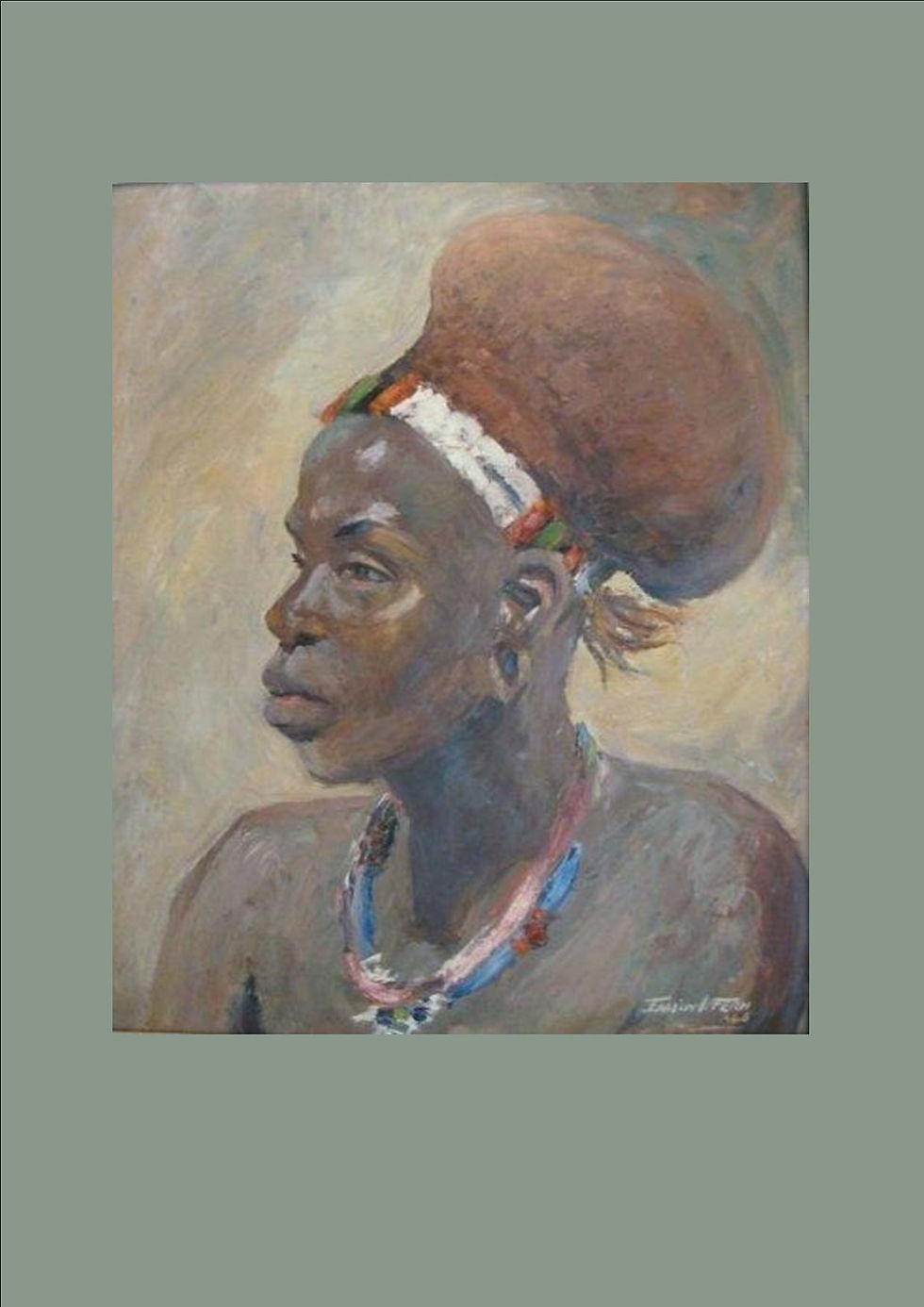
Oil on canvas Signed 32 x 39 cm
Oil on canvas Signed 32 x 39 cm

Oil on board 44 cm x 45 cm
Oil on board 44 cm x 45 cm

Oil on Canvas Dated 2012 75 cm x 57cm
Oil on Canvas Dated 2012 75 cm x 57cm

Oil Signed .Titled 88 x 120 cm
Oil Signed .Titled 88 x 120 cm

Mixed Media and Collage on canvas Signed Dated 16 163 cm x 160 cm
Mixed Media and Collage on canvas Signed Dated 16 163 cm x 160 cm
Mixed Media and Collage on canvas Signed Dated 16 163 cm x 160 cm

Oil on canvas Signed 53 x 106 cm

Acrylic on Board Signed 44 cm x 40 cm
Acrylic on Board Signed 44 cm x 40 cm

Colour Pencil on Paper Signed 16 cm x 11 cm
High Fired Pottery 27.5 cm x 18.7 cm x 18.7 cm

Signed Oil 24 cm x 35 cm
Contemporary South African Art
Feni-Mhlaba, Dumile
Article credits to: E.J. de Jager
Mhlaba Zwelidumile Mxgasi Feni, better known simply as Dumile, is one of Africa's greatest contemporary artists. He was born in 1942 at Worcester in the Cape Province. According to other records he was born on 21 May 1939. After his mother's death in 1948 the family moved to Cape Town and later, when Dumile was about eleven years old, to Johannesburg. Here he worked for his father who was a trader and a preacher.
His talent was first noticed in 1964 while he was receiving treatment at the Charles Hurwitz SANTA Tuberculosis Hospital in Johannesburg, where he made drawings all over the walls of the centre. His exceptional, spontaneous and inherent talent was helped along by several persons who took an interest in the young Dumile. Ngatane gave him some instruction and also took him to the Jubilee Art Centre where he spent several weeks with Cecil Skotnes who introduced him to the medium of conte and helped him to develop his drawing techniques. He then went to live and work at the studio of Bill Ainslie where he also began his first sculptures. He was also greatly assisted by Madame Haenggi, from the then well known Gallery 101, Johannesburg, who also provided him with art materials.
In 1968 he went abroad and lived for many years in London in self-imposed exile. He occasionally visited the U.S.A., for example, when he went across as a visiting artist in residence at the African Humanities Institute, University of California at Los Angeles, 1979-1980. He later lived in New York until his death in 1991; where he designed record covers, book illustrations, etc. In his South African years he signed his work simply as ‘Dumile’, but later they were signed as ‘Mhlaba Dumile-Feni’.
Dumile was both a sculptor and an excellent draughtsman. His drawings in particular, have won him great acclaim. The content of these drawings were based on social realism, dealing chiefly with the social conditions and problems affecting the Black man's identity in the urban South African setting. He was exceedingly successful in finding powerful and original pictorial equivalents with which to express his deep emotional feelings on this subject.
His art is characterized by a distortion stemming from tremendous emotion, and to some extent his work belongs to the art of the fantastic. The drawings are characterized by great vitality, freedom from the limitations of reason, and the absence of any aesthetic pre-occupations. They were executed spontaneously, according to the artist's subconscious thoughts and vision. They are, nevertheless, comprehensible, and for the viewer infused with poignant significance.
The human figure is of prime importance in Dumile's drawings, as is the successful manner in which these figures give utterance to emotions and feelings. By means of posture, gestures, rhythm, in short, patterns of body configuration, these figures express inner and spiritual experiences. The appearance of the figures, and the distorted style in which they were drawn, fulfill a specific function, namely heightening the sensation of the emotions that they depict.
Article truncated. Read full artilce

Pen and Ink on Paper Signed Inscribed with Title in the Image 75.5 cm x 53 cm


Ink on Paper Signed and Dated 1985 41 cm x 32 cm

Pen and Ink Dated 1966 32 cm x 25 cm

Pen and Ink on Paper 45.5 cm x 60.5 cm

Coloured pen & ink on paper Signed 54 x 70.5cm

Pencil on Paper Signed 60 x 44 cm

Pen & ink on tracing paper (Creasing, time staining, small hole.) Signed 58 x 40 cm

Pen and Ink on Paper Signed; Dated 84 Inscribed with title 73 x 54 cm Condition- time staining, fold, crease marks

Ink on Paper 61 cm x 46 cm
Erotica was executed during Dumile's self-imposed exile. Moving to London in 1968, he spent time in Los Angeles before finally settling in New York in 1980. These years of exile were rough and fretful, but also productive and rewarding. In New York, Dumile frequented the areas around Harlem, spending time with the African National Congress exiles who resided there.
This pen and ink drawing is characteristic of Dumile's late erotic work. Unlike the soaring mythical lovers of the Baroque, Dumile's couple are firmly grounded, morphing in and out of one another with a robust physicality. The heavy lines delineating the lovers' bodies are reminiscent of African sculpture. The figures are frozen in a kind of agonised despair, their distorted bodies and sprawling legs convey the exquisite pain of human existence - a recurring theme in Dumile's work.
Grosvenor Gallery, London, 2012

Pen and Ink on paper Signed and dated 1985 90 x 63.5cm
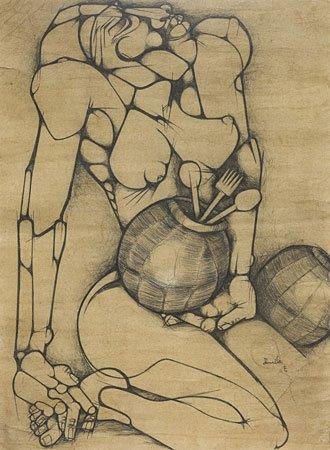
Pen & Ink Signed 75 x 55 cm Stained Worm Damage, Creased

Like an Animal I am Chained Against My Will Signed Pen on Paper Tears and Imperfections on Margin 104 cm x 74.5 cm

Ink on Paper 64 cm x 55 cm

Ink on Paper 48 cm x 61 cm

Complete title: " Study for Mad Woman with Rat is She Really Mad" Pen and ink Signed 36 x 22 cm

Pen and Ink Dated '56 37.5 cm x 23.5 cm

Recto Figural Study Verso Dated 1966 Inscribed Title 18 cm x16 cm