
Oil on canvas Signed 53 x 106 cm
Oil on canvas Signed 53 x 106 cm
Oil on canvas Signed 53 x 106 cm
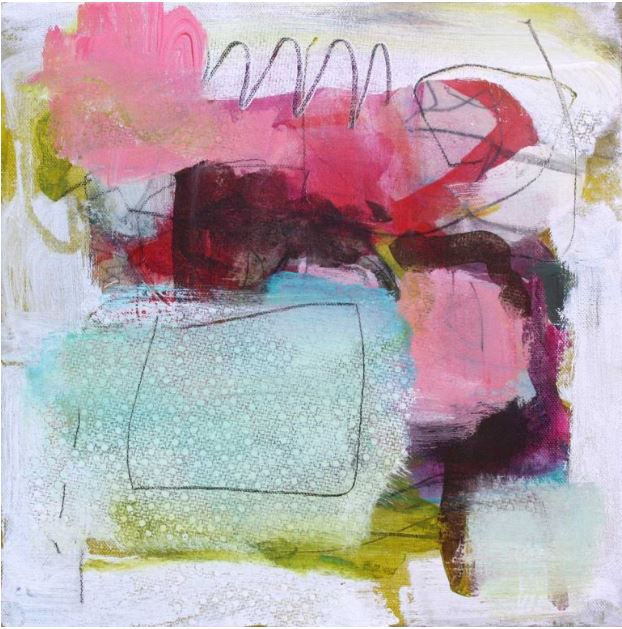
Acrylic on canvas 30.5 x 30.5 cm
Acrylic on canvas 30.5 x 30.5 cm
Acrylic on canvas 30.5 x 30.5 cm
Acrylic on canvas 30.5 x 30.5 cm
Acrylic on canvas 30.5 x 30.5 cm
Oil on canvas Signed 53 x 106 cm

Oil on Canvas 47.6 x 48.3 cm
Oil on Canvas 47.6 x 48.3 cm

Gouache on Paper 75 x 55 cm

Gouache on Paper 75 x 55 cm
Gouache on Paper 75 x 55 cm
Gouache on Paper 75 x 55 cm

Acrylic on Canvas 91.4 cm x 61 cm Signed lower right; titled and dated verso; unframed
Acrylic on Canvas 91.4 cm x 61 cm Signed lower right; titled and dated verso; unframed
Acrylic on Canvas 91.4 cm x 61 cm Signed lower right; titled and dated verso; unframed
Acrylic on Canvas 91.4 cm x 61 cm Signed lower right; titled and dated verso; unframed

Acrylic on Canvas 91.4 cm x 61 cm Dated 1996 Signed lower right, Titled and dated verso, Unframed
Northwest Coast
Inuit Sculpture Artist Unknown

Sedna Soapstone
Sedna Soapstone

High Fired Pottery 27.5 cm x 18.7 cm x 18.7 cm

Acrylic Painted Skull 44 cm x 20 cm

Oil on canvas Signed; Numbered 12-06 76 x 58 cm
Oil on canvas Signed; Numbered 12-06 76 x 58 cm
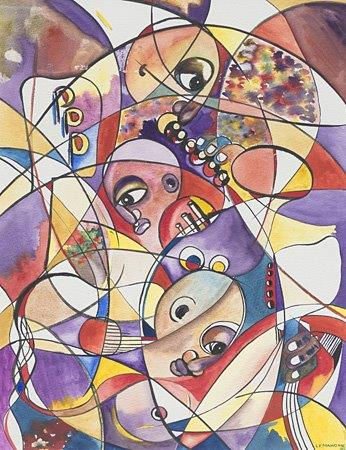
Watercolor Signed Dated 1993 36 x 28cm
Watercolor Signed Dated 1993 36 x 28cm
Watercolor Signed Dated 1993 36 x 28cm
Watercolor Signed Dated 1993 36 x 28cm

Rosewood Tables 78 cm x 150 cm x 54.5 cm
Rosewood Tables 78 cm x 150 cm x 54.5 cm
Rosewood Tables 78 cm x 150 cm x 54.5 cm
Rosewood Tables 78 cm x 150 cm x 54.5 cm
Rosewood Tables 78 cm x 150 cm x 54.5 cm
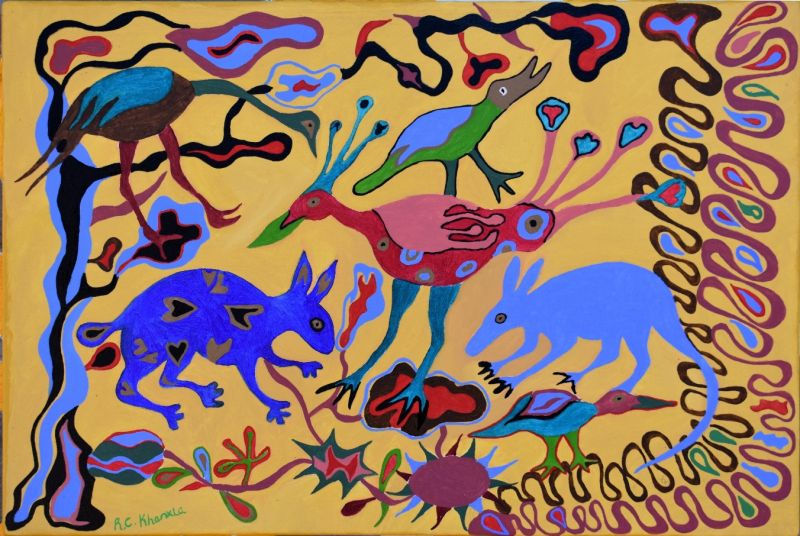
Oil on canvas 57.2 x 85.5 cm

Oil on Board Signed Dated 1962 90 cm x 65 cm
Oil on Board Signed Dated 1962 90 cm x 65 cm

Coloured pencil on paper 24.1 x 18.4 cm 2015
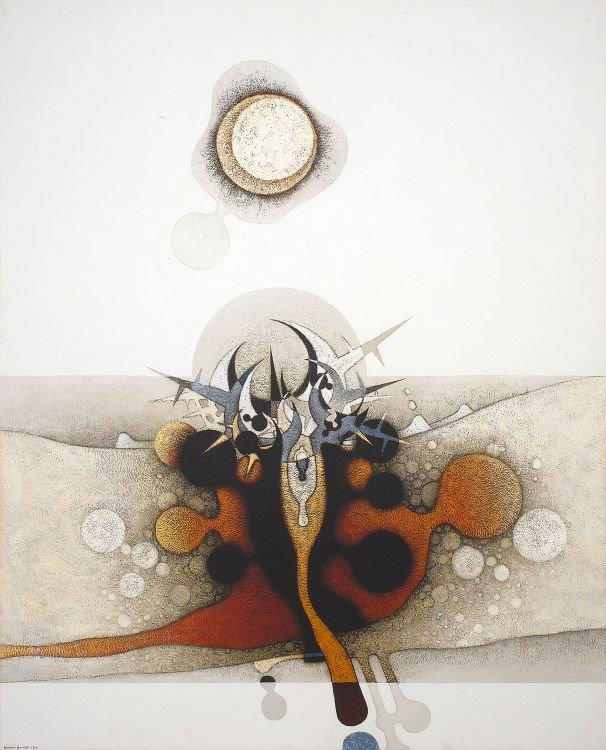
Sunburst Mixed Media on Board 122.5 x 99 cm
Sunburst Mixed Media on Board 122.5 x 99 cm
Bobbie Burgers
Bobbie Burgers is a contemporary Canadian painter. Her lush and Expressionistic depictions of flowers teeter on the verge of abstraction, bursting with bright color and laden with thickly applied, textural paint. “Flowers, to me, are the opposite of still,” the artist has explained. “Changing from minute to minute, they are perfect symbols for life, death, yearning, and beauty. My brushstrokes are layered with my own internal charges, depicting anger, frustration, softness, wanting, and more.” Born in 1973 in Vancouver, Canada, she studied Art History at the University of Victoria in British Columbia. Her work has been exhibited widely at home and abroad, notably including Art Market San Francisco and Equinox Gallery. Today, her works are in the collections of the Berost Corporation in Toronto and the Royal Bank of Canada, among others. Burgers lives and works in Vancouver, Canada.
Bobbie Burgers
Bobbie Burgers is a contemporary Canadian painter. Her lush and Expressionistic depictions of flowers teeter on the verge of abstraction, bursting with bright color and laden with thickly applied, textural paint. “Flowers, to me, are the opposite of still,” the artist has explained. “Changing from minute to minute, they are perfect symbols for life, death, yearning, and beauty. My brushstrokes are layered with my own internal charges, depicting anger, frustration, softness, wanting, and more.” Born in 1973 in Vancouver, Canada, she studied Art History at the University of Victoria in British Columbia. Her work has been exhibited widely at home and abroad, notably including Art Market San Francisco and Equinox Gallery. Today, her works are in the collections of the Berost Corporation in Toronto and the Royal Bank of Canada, among others. Burgers lives and works in Vancouver, Canada.
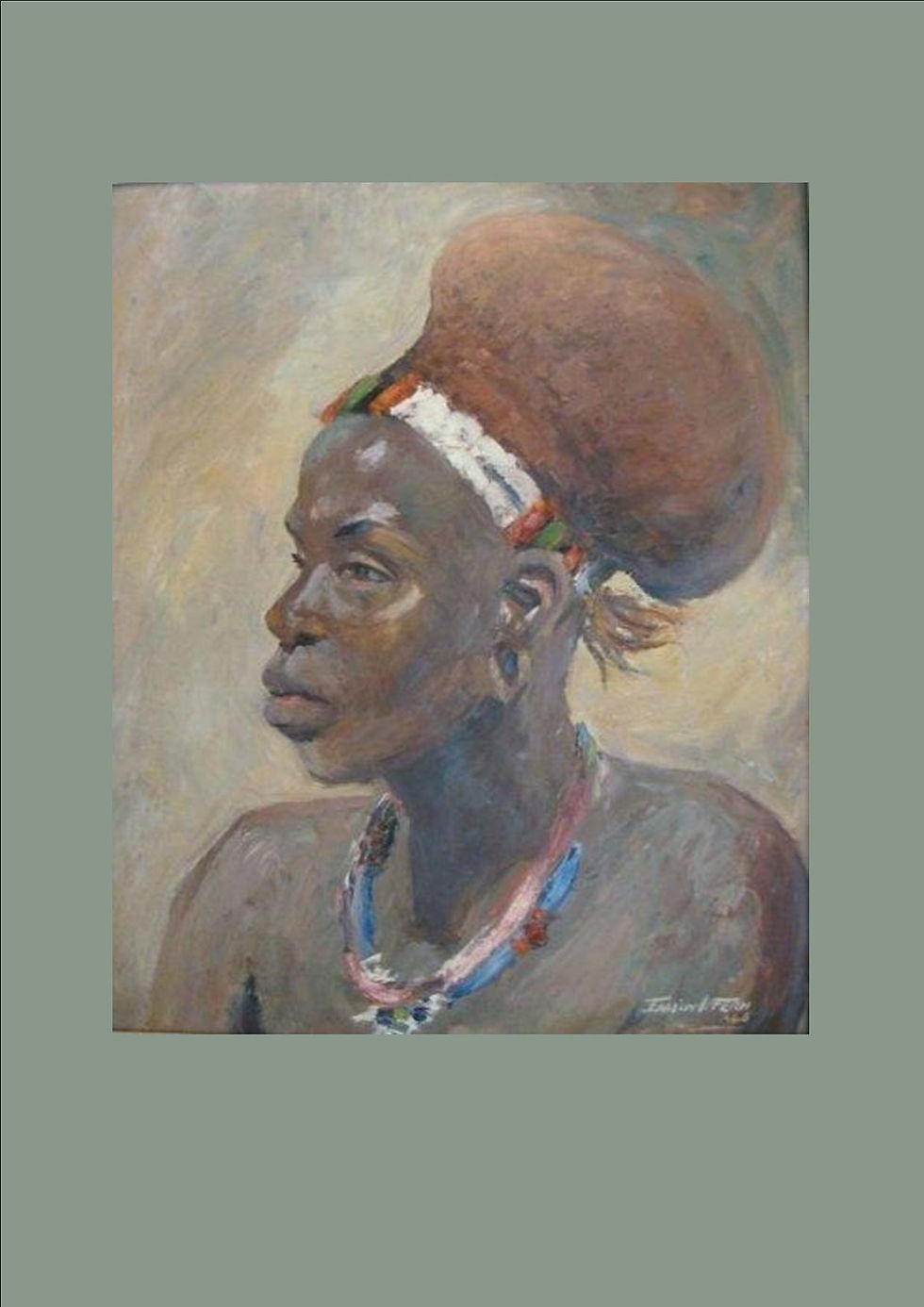
Oil on canvas Signed 32 x 39 cm
Oil on canvas Signed 32 x 39 cm

Oil on board 44 cm x 45 cm
Oil on board 44 cm x 45 cm

Oil on Canvas Dated 2012 75 cm x 57cm
Oil on Canvas Dated 2012 75 cm x 57cm

Oil Signed .Titled 88 x 120 cm
Oil Signed .Titled 88 x 120 cm

Mixed Media and Collage on canvas Signed Dated 16 163 cm x 160 cm
Mixed Media and Collage on canvas Signed Dated 16 163 cm x 160 cm
Mixed Media and Collage on canvas Signed Dated 16 163 cm x 160 cm

Oil on canvas Signed 53 x 106 cm

Acrylic on Board Signed 44 cm x 40 cm
Acrylic on Board Signed 44 cm x 40 cm

Colour Pencil on Paper Signed 16 cm x 11 cm
High Fired Pottery 27.5 cm x 18.7 cm x 18.7 cm

Signed Oil 24 cm x 35 cm
Contemporary South African Art
Nel, Margaret
Margaret Nel (b. 1945) is an artist who has been working in Pretoria, South Africa, since 1974.
Her early work was largely influenced by the late Pop movement, in particular Hard Edge, the Nouvelle Figuration group, and the British strain of the Movement – Hockney, Blake, and the disjointed figurative work of Ronald Kitaj and Francis Bacon being notable influences.
Nel’s early themes focused on anatomically distorted groups of figures, typically occupying shaped canvases and frequently featuring athletes derived from newspaper clippings of runners captured mid-event. Hands and feet cropped, these figures became visceral and anonymous, and symbolic of the human instinct of pushing aside others for personal position.
Nel soon moved away from the Hard Edge tendency with her inclusion of, and eventually focus on, distorted facial features and hands, garnering her early critical acclaim. With the completion of Mrs A in 1974, it became evident that the figure would remain a primary vehicle for Nel to express themes of psychological distress and isolation.
In the late 1980s, Nel’s work intuitively moved towards Postmodernism, with more complex compositions and an emphasis on iconoclasm and multiple readings of her work. The loss of individual control became a dominant theme during this decade. With the simultaneous sudden tide of emigration from South Africa, Nel’s work focused on the theme of exodus and failed flight, and the notion of inadequate physical and emotional preparation. Global concerns regarding environmental abuse led Nel’s work to explore the a lack of environmental sustenance, which for her also symbolised a lack of emotional sustenance.
Post-2000, Nel’s work became increasingly concerned with the idea of loss of personal control in relation to random violence, which remains a psychological preoccupation in South Africa. The effects of such mental debilitation, and the resultant loss of identity, has led her to explore the figure in over life-size proportions, with a particular interest in exposed skin.
Nel’s current work focuses on the notion of physical and emotional preservation and decay, with enlarged renderings of meat and more recently, highly processed confectionary, encased in plastic or styrofoam. The glace frosting and piped cream are highly visceral and sexual - both inviting and repulsive, inedible. In certain works, Nel explores the items before and after decay sets in, calling to mind the preoccupation with female identity via sexuality, the inevitable process of ageing and final exclusion of the aged individual from society.
http://www.margaretnel.com/about

Acrylic on Canvas 137.5 cm x 78.5 cm Signed and Dated '98 '99 and Inscribed with the title on reverse
Waiting for the Renaissance
NOTES
Completed in 1999, Waiting for the Renaissance is layered with fin de siècle symbolism, marking both the close of the millennium and the end of Nel’s postmodern period, which centred on compositional complexity, eclecticism and sociopolitically-charged commentary. Modelled on her then teenage daughter, the figure of the ill-fated ingénue is also a personification of the artist herself. Poised between apprehension and anticipation, she is a complex and contradictory figure. Isolated, exposed and clad only in flimsy undergarments that offer little protection, she seems entirely ill-prepared for the barren, unforgiving landscape in which she finds herself. Her skin bears the effects of the unrelenting African sun, and dark clouds threaten rain that never seems to materialise. Like Peter Schütz’s martyred Catholic saints in 1998 Icons and Idols exhibition at the Goodman Gallery in Johannesburg, the central female figure in Waiting for the Renaissance represents the universal Other, the outsider relegated to the margins of relevance, existing in a no-man’s land of their own or others’ making. She is surrounded by stones, which will presumably cause her injury or death. She is a martyr, a biblical pariah, a sacrificial figure. A partially peeled apple, frequently employed by Nel to represent loss of innocence, references the nascent sexuality of the pubescent figure and symbolises the premature transition from an Arcadian age of innocence to worldliness and disenchantment.
While all of Nel’s work from this period can be read in relation to issues pertinent to the time – South Africa’s uncertain democratic transition, the Burundian and Rwandan genocides, and notions of environmental degradation – they are equally relevant to current issues of ostracism, social displacement, exodus, migration and climate change. The title references former president Thabo Mbeki’s much publicised 1998 ‘African Renaissance’ address, which championed, perhaps idealistically, the continent’s imminent political and cultural rebirth. The unforgiving, drought-stricken landscape – a quintessentially South African trope – here serves as a symbol for inadequate physical and emotional preparedness for the future.
Kelda van Heerden
EXHIBITED
Pretoria Arts Association, Pretoria, and the ABSA Gallery, Johannesburg, Leonardo Posted, a group exhibition coinciding with, and responded to, the touring exhibition at the Pretoria Art Museum entitled Leonardo da Vinci: Scientist, Inventor, Artist, 1999.
Kempton Park/Tembisa Fine Arts Award, Kempton Park, 1999.
African Window Museum, Pretoria, Margaret Nel: Barriers, 5 to 29 September 2000.
Pretoria Art Museum, Pretoria, A Retrospective 1970–2017, 2017.
LITERATURE
Staff reporter (1999) 'n Uitstalling waarin kunstenaars hul interpretasie van Leonardo da Vinci moes weerspieël, 16 May, illustrated in the background of a colour photograph of the artist and her daughter at the exhibition.