
Oil on canvas Signed 53 x 106 cm
Oil on canvas Signed 53 x 106 cm
Oil on canvas Signed 53 x 106 cm
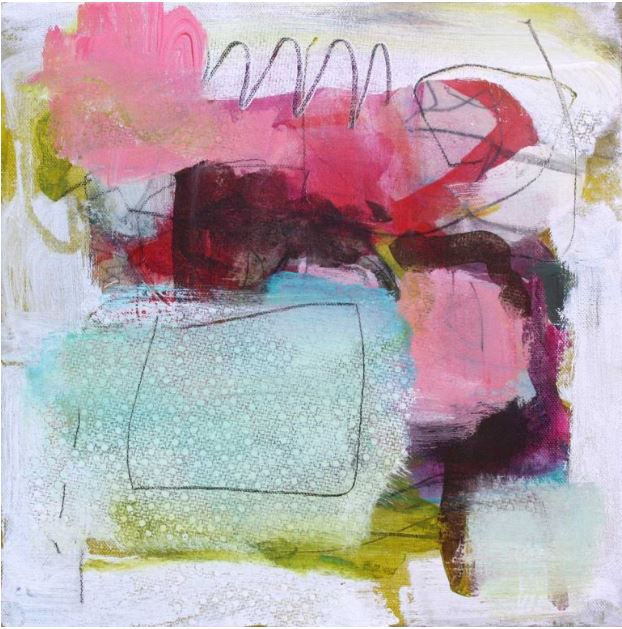
Acrylic on canvas 30.5 x 30.5 cm
Acrylic on canvas 30.5 x 30.5 cm
Acrylic on canvas 30.5 x 30.5 cm
Acrylic on canvas 30.5 x 30.5 cm
Acrylic on canvas 30.5 x 30.5 cm
Oil on canvas Signed 53 x 106 cm

Oil on Canvas 47.6 x 48.3 cm
Oil on Canvas 47.6 x 48.3 cm

Gouache on Paper 75 x 55 cm

Gouache on Paper 75 x 55 cm
Gouache on Paper 75 x 55 cm
Gouache on Paper 75 x 55 cm

Acrylic on Canvas 91.4 cm x 61 cm Signed lower right; titled and dated verso; unframed
Acrylic on Canvas 91.4 cm x 61 cm Signed lower right; titled and dated verso; unframed
Acrylic on Canvas 91.4 cm x 61 cm Signed lower right; titled and dated verso; unframed
Acrylic on Canvas 91.4 cm x 61 cm Signed lower right; titled and dated verso; unframed

Acrylic on Canvas 91.4 cm x 61 cm Dated 1996 Signed lower right, Titled and dated verso, Unframed
Northwest Coast
Inuit Sculpture Artist Unknown

Sedna Soapstone
Sedna Soapstone

High Fired Pottery 27.5 cm x 18.7 cm x 18.7 cm

Acrylic Painted Skull 44 cm x 20 cm

Oil on canvas Signed; Numbered 12-06 76 x 58 cm
Oil on canvas Signed; Numbered 12-06 76 x 58 cm
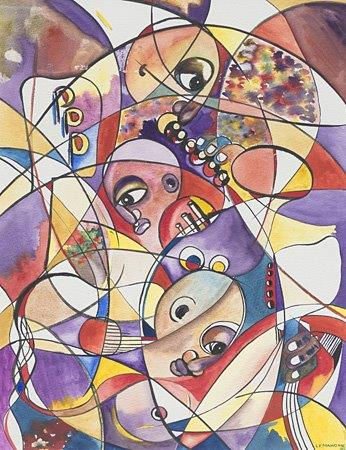
Watercolor Signed Dated 1993 36 x 28cm
Watercolor Signed Dated 1993 36 x 28cm
Watercolor Signed Dated 1993 36 x 28cm
Watercolor Signed Dated 1993 36 x 28cm

Rosewood Tables 78 cm x 150 cm x 54.5 cm
Rosewood Tables 78 cm x 150 cm x 54.5 cm
Rosewood Tables 78 cm x 150 cm x 54.5 cm
Rosewood Tables 78 cm x 150 cm x 54.5 cm
Rosewood Tables 78 cm x 150 cm x 54.5 cm
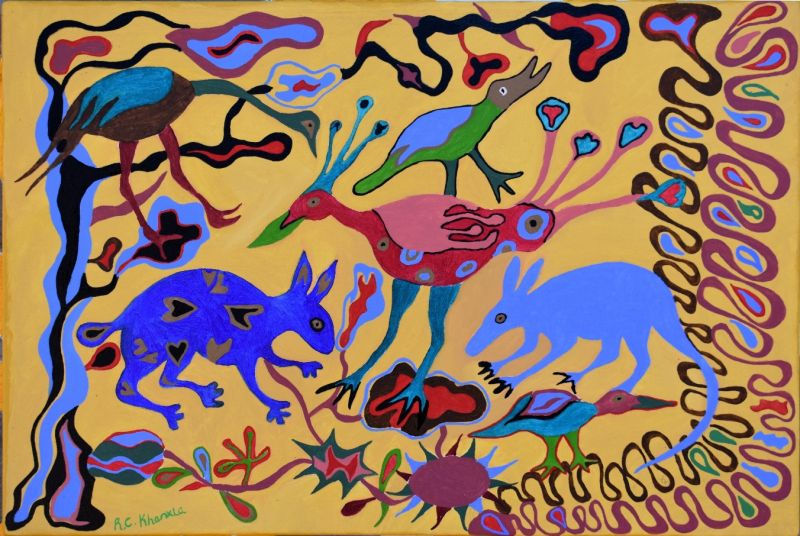
Oil on canvas 57.2 x 85.5 cm

Oil on Board Signed Dated 1962 90 cm x 65 cm
Oil on Board Signed Dated 1962 90 cm x 65 cm

Coloured pencil on paper 24.1 x 18.4 cm 2015
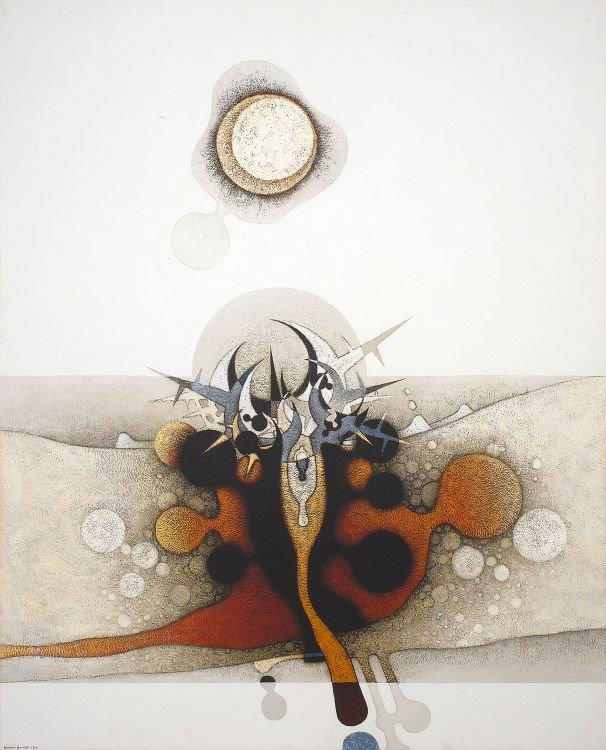
Sunburst Mixed Media on Board 122.5 x 99 cm
Sunburst Mixed Media on Board 122.5 x 99 cm
Bobbie Burgers
Bobbie Burgers is a contemporary Canadian painter. Her lush and Expressionistic depictions of flowers teeter on the verge of abstraction, bursting with bright color and laden with thickly applied, textural paint. “Flowers, to me, are the opposite of still,” the artist has explained. “Changing from minute to minute, they are perfect symbols for life, death, yearning, and beauty. My brushstrokes are layered with my own internal charges, depicting anger, frustration, softness, wanting, and more.” Born in 1973 in Vancouver, Canada, she studied Art History at the University of Victoria in British Columbia. Her work has been exhibited widely at home and abroad, notably including Art Market San Francisco and Equinox Gallery. Today, her works are in the collections of the Berost Corporation in Toronto and the Royal Bank of Canada, among others. Burgers lives and works in Vancouver, Canada.
Bobbie Burgers
Bobbie Burgers is a contemporary Canadian painter. Her lush and Expressionistic depictions of flowers teeter on the verge of abstraction, bursting with bright color and laden with thickly applied, textural paint. “Flowers, to me, are the opposite of still,” the artist has explained. “Changing from minute to minute, they are perfect symbols for life, death, yearning, and beauty. My brushstrokes are layered with my own internal charges, depicting anger, frustration, softness, wanting, and more.” Born in 1973 in Vancouver, Canada, she studied Art History at the University of Victoria in British Columbia. Her work has been exhibited widely at home and abroad, notably including Art Market San Francisco and Equinox Gallery. Today, her works are in the collections of the Berost Corporation in Toronto and the Royal Bank of Canada, among others. Burgers lives and works in Vancouver, Canada.
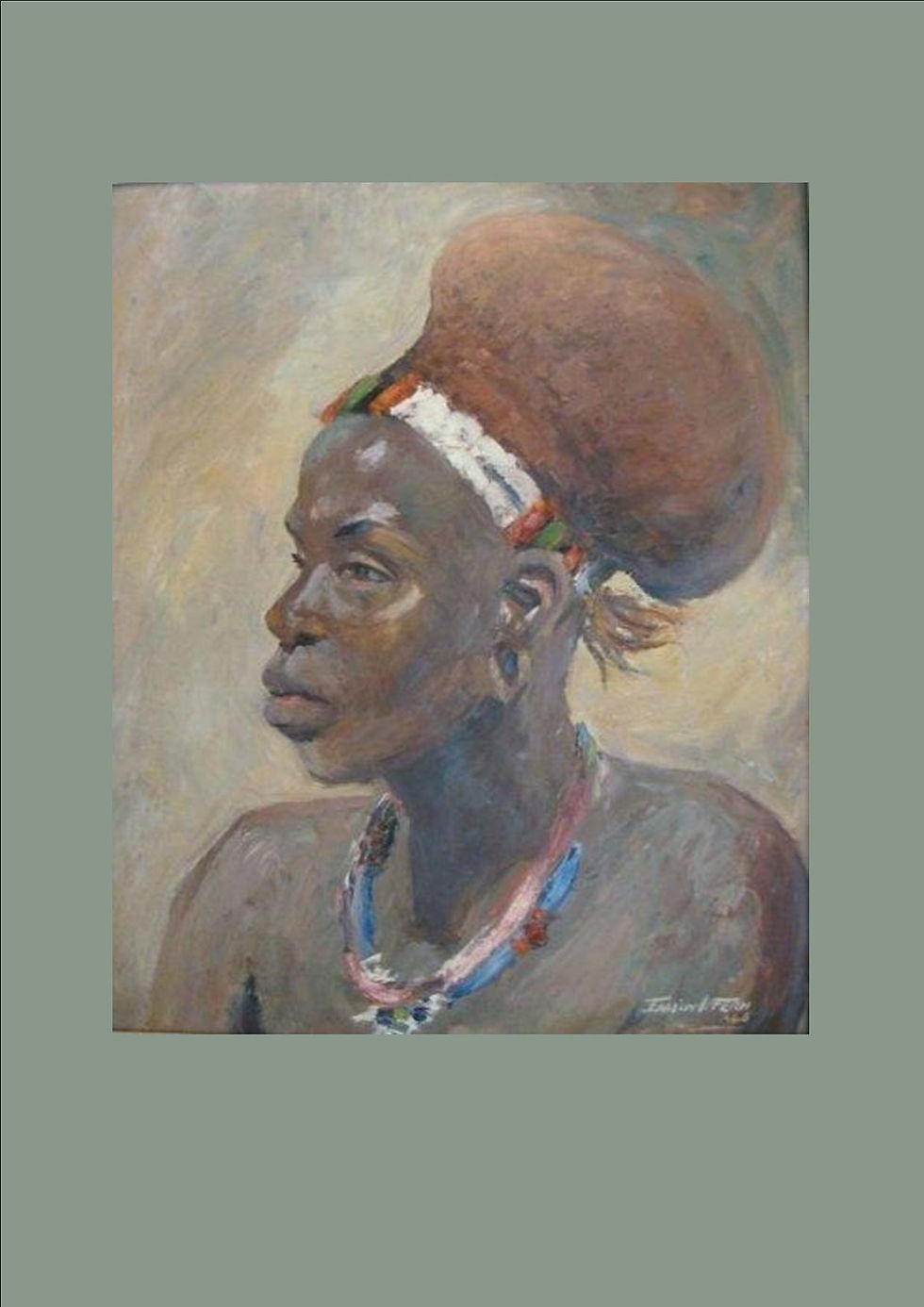
Oil on canvas Signed 32 x 39 cm
Oil on canvas Signed 32 x 39 cm

Oil on board 44 cm x 45 cm
Oil on board 44 cm x 45 cm

Oil on Canvas Dated 2012 75 cm x 57cm
Oil on Canvas Dated 2012 75 cm x 57cm

Oil Signed .Titled 88 x 120 cm
Oil Signed .Titled 88 x 120 cm

Mixed Media and Collage on canvas Signed Dated 16 163 cm x 160 cm
Mixed Media and Collage on canvas Signed Dated 16 163 cm x 160 cm
Mixed Media and Collage on canvas Signed Dated 16 163 cm x 160 cm

Oil on canvas Signed 53 x 106 cm

Acrylic on Board Signed 44 cm x 40 cm
Acrylic on Board Signed 44 cm x 40 cm

Colour Pencil on Paper Signed 16 cm x 11 cm
High Fired Pottery 27.5 cm x 18.7 cm x 18.7 cm

Signed Oil 24 cm x 35 cm
Contemporary South African Art
Clarke, Peter
Born: 1929 Simonstown, Cape Province.
A painter and graphic artist of figures in landscapes and of interiors, social events, portraits, still life and seascapes. Works in acrylic, gouache, ink, wash, pencil
and in various graphic media.
Studies: 1961 Michaelis School of Fine Art, under Katrine Harries (qv) and Maurice van Essche (qv); 1962-63 Rijks Academie van Beeldende Kunsten, Amsterdam, The Netherlands, under Kuno Brinks; 1978-79 Atelier Nord, Oslo, Norway, graphics under Anne Breivik.
Profile: A member of the SAAA; 1984
a founder member of the Vakalisa Art Associates. 1965 awarded Accademico Onorario of the Accademia Fiorentina delle Arti des Disegno, Florence, Italy; 1975 elected an Honorary Fellow in Writing, University of Iowa, USA; 1982 awarded a Diploma of Merit in Literature, Universita delle Arti, Italy; 1983 awarded
a Diploma of Merit in Art, Accademia Italia; 1983 elected an Honorary Member of the Museum of African American Art, Los Angeles, USA; 1984 elected
an Honorary Doctor of Literature, World Academy of Arts and Culture, Taipei, Taiwan. 1979 an art teacher at Kleinberg Primary School, Ocean View, Cape Province. From 1979 voluntarily teaches children in Ocean View. Has illustrated books published in SA, Sweden, Germany, Switzerland, Nigeria and the UK. From the 1950s has written short stories, essays and is an internationally recognised poet. 1962-63 and 1978-79 visited Europe. He has also visited the USA, Botswana and Israel.
Exhibitions: He has participated in numerous group exhibitions from 1951
in SA, Yugoslavia, West Germany, Brazil, Austria, Italy, The Netherlands, Belgium, the USA, Argentina, Norway, Botswana, Japan, Switzerland and the UK; 1957 Golden City Post, Cape Town, first of numerous solo exhibitions held in SA, Nigeria, Kenya, Australia, the USA, Norway and Israel; 1982 National Gallery, Gaborone, Botswana, Exhibition of SA Art.
Represented: Fisk University, Nashville, Tennessee, USA; King George VI Art Gallery, Port Elizabeth; Kunsthalle der Stadt, Bielefeld, West Germany; Library
of Congress, Washington DC, USA; Museum of African American Art, Los Angeles, USA; Museum of Contemporary Art, Skopje, Yugoslavia; National Gallery, Gaborone, Botswana; Pretoria Art Museum; SA National Gallery, Cape Town; Stichting Afrika Museum, Bergen Dal, The Netherlands; University of South Africa; Willem Annandale Art Gallery, Lichtenburg; William Humphreys Art Gallery, Kimberley.
References: Art SA; SAA; SAP&D; SESA; BSAK 1&2; 3Cs; AASA; LSAA; Echoes of African Art; South Africana April 1958; SA Panorama November 1961; Personality 21 May 1970; Soul Motion III: Peter Clarke – South African Artist-Poet introduction by Professor David Driskey, 1973, Fisk University, Tennessee, USA, Exhibition Catalog.

Linocut on Paper Signed, Titled and Dated 1958 9 cm x 14 cm

Complete title: "We Shall Appear Like Strolling Players" Colored Linocut Signed; Inscribed with title No 1-32 Sheet Size: 37.5 x 50.5 cm

Colour Woodcut Signed and Dated 17-10-1963 No 16-20 12.5 cm x 15 cm

Linocut with Watercolour Signed and Dated 1981 Inscribed with Title A-P in Pencil with Title 15.5 cm x 10 cm

Linocut 18 cmx 19 cm

Linocut Ed 18-25 8.5 cm x 6.5 cm

Book Collage Signed August 2012

Full Title: Figure after Michelangelo Painting in the Sistine Chapel Watercolour Signed and Dated 2.5.1967 35.5 cm x 28.5 cm

Linocut Signed 1980 21.5 cm x 9.5 cm

Color Woodcut Signed Dated April 1969 No 78-100 31.5 cm x 38 cm

Woodcut Signed Dated 1972 No 31-45 22.5 cm x 17 cm

Signed Dated May 2006 Linocut colour printed
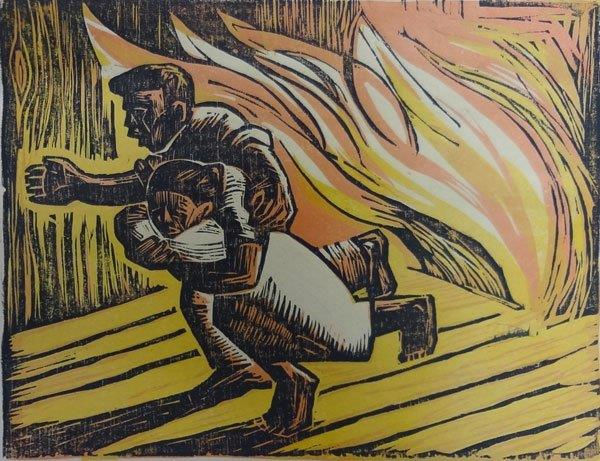
Woodcut 19 cm x 25 cm

Colour Woodcut Signed 1977 15-31 No 15-31

Photolithograph Signed 14 cm x 9 cm

Linocut in Colour Signed and Dated 1971 #28-33 Title in Margin 50 cm x 40 cm

Colour Lino Signed, Dated July 1991, #8-36 Inscribed in the Margin 24 cm x 31 cm

Woodcut 29.5 cm x 40 cm

Watercolor ink and pencil Signed July 56 18.5 x 24.8 cm

Pastel and Carbon on Paper Signed and Dated 12-6-74 30 cm x 37 cm

Black Marker on Paper Signed and Dated 1-8-61 24 cm x 31.5 cm

Watercolour Signed Dated 8.8.67 33 cm x 30 cm

Lithograph Printed in Colour Signed No. 99-100 68 cm x 50 cm

Gouche on paper Signed and Dated 4-3-1970 69 cm x 44 cm

Oil on Canvas Signed 1-5-1968 85 cm x 60 cm

Linocut Signed 13-19 21 cm x 25 cm

Gouche Signed Dated Clarke-Nov 1983 48 cm x 64 cm

Colour Woodcut Signed No 28-30 20 cm x 18 cm

Mixed Media on Paper 35 cm x 25 cm

Landscape with Trees and Cottages, Teslaarsday, Caledon, CP Oil on Paper Signed and Dated 1960 41 cm x 49 cm
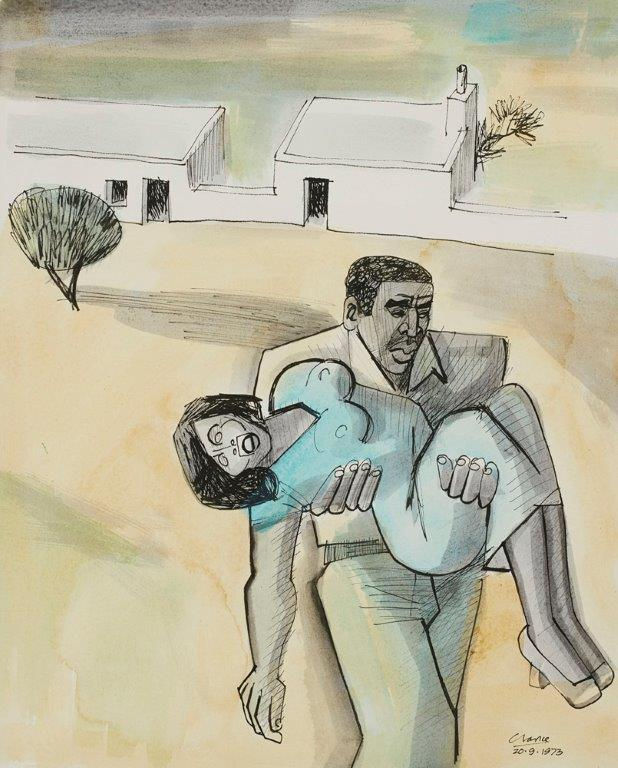
Pen & Ink and Watercolor on Paper Signed Dated 20-5-1973 41.5 cm x 33 cm

Signed & Titled 17 cm x 14 cm

Mixed Media on Paper Signed Dated 5-7-1974 36 cm x 43 cm

Mixed Media on Paper Signed Dated 22-3-1962 40 cm x 52 cm

Gouche Signed & Dated March 1966 35 cm x 25 cm

Color Woodcut Signed, Dated 7.7.1961 & Numbered 3-19 25.5 cm x 13 cm
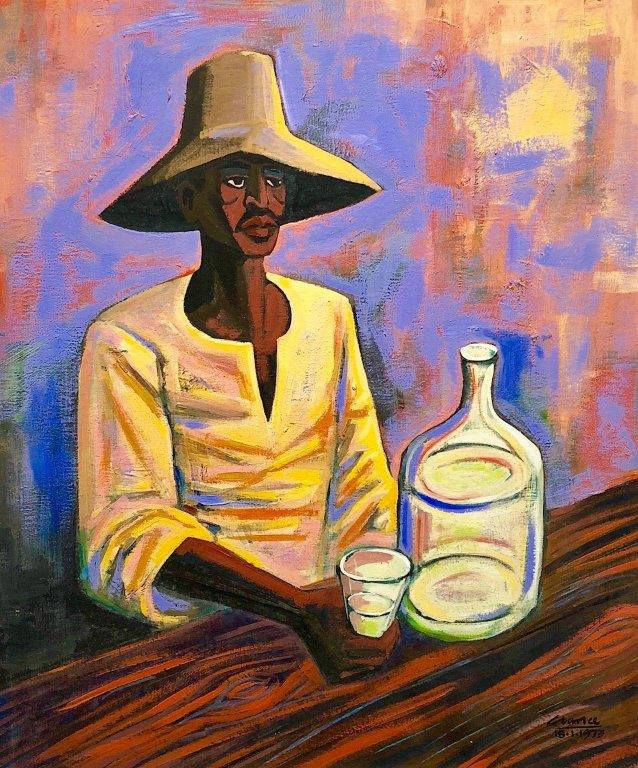
Acrylic Signed Dated 60 cm x 50 cm
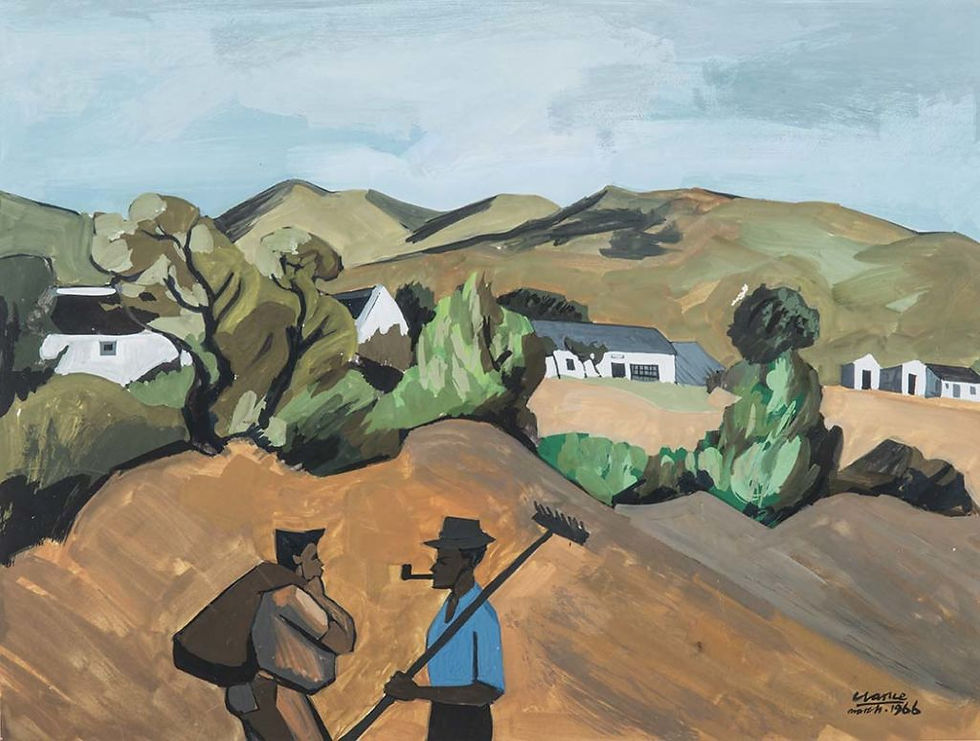
Tempera on Card Signed & Dated March 1966 Inscribed with Title on the Reverse 30 cm x 41 cm

Acrylic on Canvas Signed & Dated 1972 26 cm x 44 cm
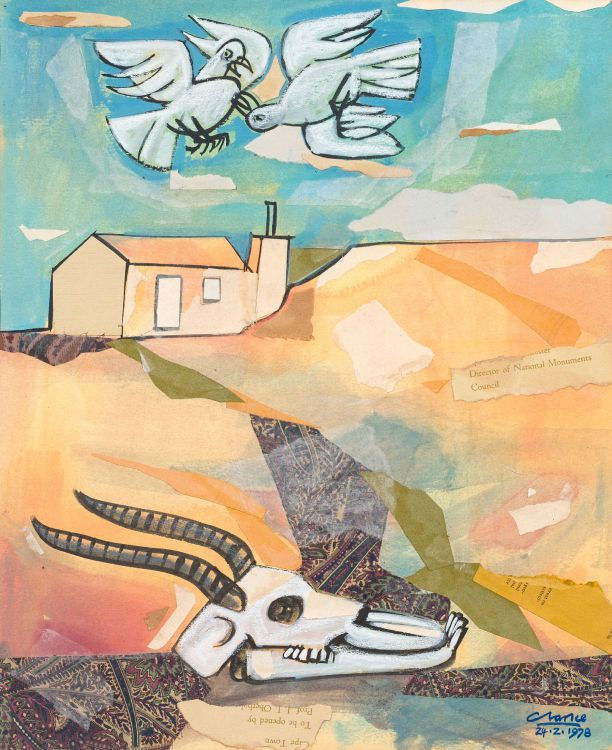
Gouached and Collage on Paper Signed and Dated 24.2 1978 Inscribed on Reverse 46.5 cm x 38 cm

Gouache on Paper Signed and Dated Sept 1976 49.5 cm x 68 cm

Acrylic & Gouache on Paper Signed & Dated 22,11,1974 Inscribed on Reverse 56 cm x 44 cm

Egg Tempera on Paper Signed & Dated 11 4 1962 36.5 cm x 26.5 cm

Gouache and oil pastel on paper Signed and dated 1962 37x49.5cm

Signed and dated 1975 (lower right) Inscribed "He loves me, PVA" on the reverse 36 cm x 42 cm

Woodcut Signed, dated 1999, numbered 25-30 Inscribed with the title in the margin 45,5 x 61cm

Woodcut Print in Colors Signed and Numbered 19-36 Inscribed Title in Margin with Pencil 44 cm x 35 cm
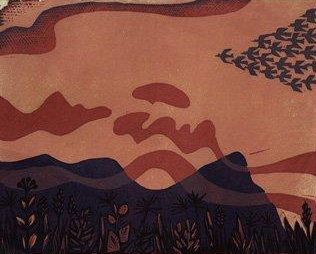
Colored Linocut Signed inscribed with title no 5-25 sheet 37.7 x 50.5 cm

Linocut Signed and Dated 1965, Edition 8-13 20 cm x 18 cm

Linocut Signed 23-6-1959 No 11-40 20.5 cm x 12.4 cm

Linocut Print in Colours on Paper Signed Dated 2-10-1962 No 8-8 35 cm x 27 cm

Linocut Signed and Dated 1971 No 12-24 38 cm x 30.5 cm

Coloured Linocut Signed #24-30 29.5 cm x 21 cm

Colour Linocut Signed & Dated 1970 No 1-32 25.5 cm x 20 cm

Woodcut in Colours Signed & Dated 17.8.65 #28-34 18 cm x 15 cm

Colour Woodcut Image Signed and Dated 2-9-65 No 9-11 Inscribed Title Pencil 19 cm 24 cm

Colour Linocut Signed and Dated Dec 1981 No 23-29 Inscribed with Title in Pencil 27.5 cm x 35 cm

Colour Linocut Signed and Dated 1982 No 7-22 Inscribed Title 23.5 cm x 31.5 cm

Colour Woodcut Signed and Dated 25-3-70 No 15-24 23 cm x 25 cm

Colour Linocut Signed 12-6-1961 No 4-9 32.5 cm x16.5 cm

Colour Reduction Linocut Signed Date 1983 No 8-18 25 cm x 29 cm

Photolithograph Signed 12 cm x 9 cm

Linocut in Colour Signed and Dated 1971, # 23-31 Title in Margin 47 cm x 34 cm

Linocut Signed 30-5-59 No 48-54 20 cm x 14 cm

Linocut Signed, Dated 01 no 23-30 62 x 46.5 cm

Africa Station Club St. Georges Street Simonstown Linocut Image Signed and Dated 1971 No 4-30 Inscribed with Title 12 cm x 16 cm

Linocut 14 cm x 13 cm

Linocut 24 cm x 17 cm

Woodcut Printed in Colours Signed Dated 19-12-1962 Artists Proof 42.5 x 35 cm

Woodcut and Linocut Signed & Dated 27-4-1965 No 7-20 38 cm x 28.5 cm

Colour Linocut Signed and Dated Nov 1980 No 28-30 Inscribed Title in Pencil 28.5 cm x 27 cm

Woodcut in Colours Signed & Dated 15.7.68 #21-38 18 cm x 12.5 cm

Book Collage Signed August 2012

Sepia Linocut Signed Dated 15-7-1959 No 9-30 Inscribed Title Pencil 25.5 cm x 20.5 cm

Signed Dated Dec 1961 Perspex Engraving A-P 15 cm x 11cm

Woodcut Signed Titled Dated 11.7.1971 No 1-16 14 cm x 11 cm

Linocut Signed and Dated 20-6-61 No 7-12 25.5 cm x 27.5 cm

Woodcut Signed in pencil 1982 No 20-30 36.5 cm x 24 cm

Linocut on paper Signed; titled; Dated 11/ 16/ 1962 24 x 18 cm
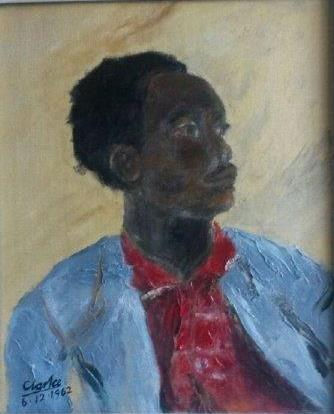
Oil on Board 35 cm x 31 cm

Letter

Linocut Inscribed with Title A-P June 1988 14.5 cm x 12 cm

Woodcut 25 cm x 32 cm

Woodcut Signed Dated 1961 No 10-17 12 x 12 cm
Tesselaarsdal, an artist's refuge:
Peter Clarke produced a number of paintings of rural images in Tesselaarsdal near Caledon in the Western Cape, during the mid-1960s. He painted these rural subjects retrospectively from his considerable sketchbook images of this subject matter. It was here in the rural world, beyond the mountains, that Clarke could access at will, and relive in his imagination, this place of sanctuary. As a coloured artist living through Apartheid, Tesselaarsdal was a place of creative refuge from the political world and day to day struggles of the city. Despite the poverty that existed there, Tesselaarsdal must have seemed a desirable and stable world, in contrast to the threatening situation found in Simon’s Town, where Clarke resided.The rural landscapes he recorded of Tesselaarsdal at the time are mostly captured in oils (although lot 276 is painted in tempera) in landscape format and include simplified forms similar to that of the Post Impressionists, such as Paul Gauguin. While Clarke was aware of how difficult the work of the farm labourer was, the workers that appear in his paintings over this timeseem to be in harmony with the land. He often portrayed the labourers in profile, or rear view, as a way of rendering them as types rather than as individuals, as well as being a space away from a turbulent political climate, Tesselaarsdal is situated inland away from the threat of bad weather conditions. This sense of calm permeates the Tesselaarsdal, Cape and is represented through broad brushstrokes and the bright greens and blues, which are tonal variations of the same colour. He has stated that the sky in Tesselaarsdal was never completely cloudless.“…it was quiet, peacefully, soothingly quiet after the racket left behind at the Peninsula… When I first came here I did so in order to ‘get away from it all’. Now it still amounts to the same thing. I want to get away from everybody and everything that is hot air, pretentious. I came to Tesselaarsdal to mix with ordinary people. When I get back, and after staying here, I regain my sense of balance.”
(Clarke 1964: 40)- Suzanne DuncanClarke, P, 1964, Winter Shepherding, in Contrast X: South African Quarterly 3 (2) (as cited in Hobbs, P and Rankin, E., 2011) Hobbs, P and Rankin, E., Listening to distant thunder: the art of Peter Clarke . Fernwood Press, Cape Town, 2011
Huistoe (returning home)
Shows a dark figure leaving a rural area, this could very possibly be Tesselaarsdal. The dark figure could represent Clarke’s reluctance to leave his place of sanctuary to return to his home in the city, with the dark black and brown tones that are painted in contrast with the colourful surroundings. The figure is in transit and with the advent of the forced removals, the plight of displaced people became an increasingly prominent theme in Clarke’s work.
- Suzanne DuncanHobbs, P and Rankin, E., Listening to distant thunder: the art of Peter Clarke . Fernwood Press, Cape Town, 2011
Bone of Contention
In 1973, under the Group Areas Act, the Clarke family were relocated from Simon’s Town to Ocean View, a barren, unestablished area without the sea or distinctive mountainous topography. It was understandably difficult time for an aesthetically aware artist from a strong, but now fragmented community who found it increasingly difficult to travel to Simon’s Town to gather inspiration and compositions for his work. The artist’s father passed away in 1975 and the following year the Soweto uprisings took place at heavy cost in human life. This, together with the restrictive emergency measures of the Apartheid state in response to these events, is transmuted in symbolic metaphor in Peter Clarke’s artworks of this time.
These images are frequently characterised by large uninhabited spaces and structures such as walls and houses, sometimes cluttered with abandoned objects and debris or, in the case of this work, inhabited by an empty home and animal skull. A pair of birds, possibly doves, in a perversion of peace, struggle and fight in the sky above this colourful yet sad tableau, illustrating the psychological damage and despair being felt by so many South Africans at this time. These fighting birds are borrowed from the first panel of Clarke’s triptych, Haunted Landscape dating from 1976.
Ref: https://www.straussart.co.za/auctions/lot/5-mar-2018/612#view
cf. Philippa Hobbs and Elizabeth Rankin. (2011) Listening to Distant Thunder, The Art of Peter Clarke. Johannesburg: The Standard Bank of South Africa. Page 136

Gouache on paper 28 cm x 34.5 cm Signed dated 28.9.1966 and inscribed

Pen and carbon on paper 31 cm x 38.5 cm Signed dated 12.6.1974 and inscribed with the title on reverse