
Oil on canvas Signed 53 x 106 cm
Oil on canvas Signed 53 x 106 cm
Oil on canvas Signed 53 x 106 cm
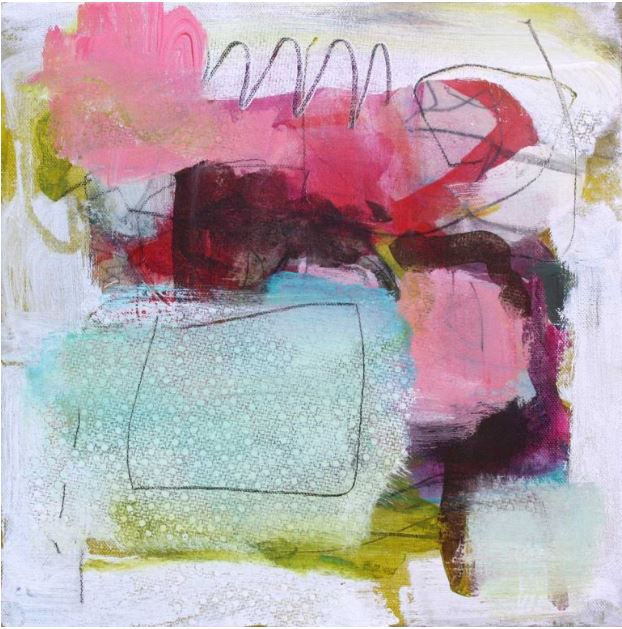
Acrylic on canvas 30.5 x 30.5 cm
Acrylic on canvas 30.5 x 30.5 cm
Acrylic on canvas 30.5 x 30.5 cm
Acrylic on canvas 30.5 x 30.5 cm
Acrylic on canvas 30.5 x 30.5 cm
Oil on canvas Signed 53 x 106 cm

Oil on Canvas 47.6 x 48.3 cm
Oil on Canvas 47.6 x 48.3 cm

Gouache on Paper 75 x 55 cm

Gouache on Paper 75 x 55 cm
Gouache on Paper 75 x 55 cm
Gouache on Paper 75 x 55 cm

Acrylic on Canvas 91.4 cm x 61 cm Signed lower right; titled and dated verso; unframed
Acrylic on Canvas 91.4 cm x 61 cm Signed lower right; titled and dated verso; unframed
Acrylic on Canvas 91.4 cm x 61 cm Signed lower right; titled and dated verso; unframed
Acrylic on Canvas 91.4 cm x 61 cm Signed lower right; titled and dated verso; unframed

Acrylic on Canvas 91.4 cm x 61 cm Dated 1996 Signed lower right, Titled and dated verso, Unframed
Northwest Coast
Inuit Sculpture Artist Unknown

Sedna Soapstone
Sedna Soapstone

High Fired Pottery 27.5 cm x 18.7 cm x 18.7 cm

Acrylic Painted Skull 44 cm x 20 cm

Oil on canvas Signed; Numbered 12-06 76 x 58 cm
Oil on canvas Signed; Numbered 12-06 76 x 58 cm
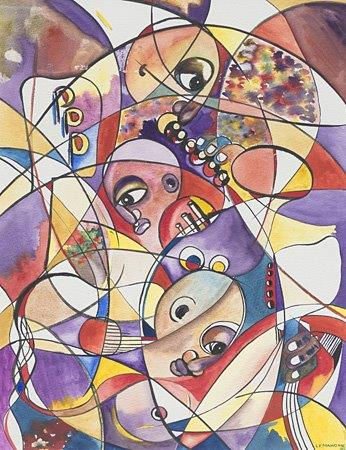
Watercolor Signed Dated 1993 36 x 28cm
Watercolor Signed Dated 1993 36 x 28cm
Watercolor Signed Dated 1993 36 x 28cm
Watercolor Signed Dated 1993 36 x 28cm

Rosewood Tables 78 cm x 150 cm x 54.5 cm
Rosewood Tables 78 cm x 150 cm x 54.5 cm
Rosewood Tables 78 cm x 150 cm x 54.5 cm
Rosewood Tables 78 cm x 150 cm x 54.5 cm
Rosewood Tables 78 cm x 150 cm x 54.5 cm
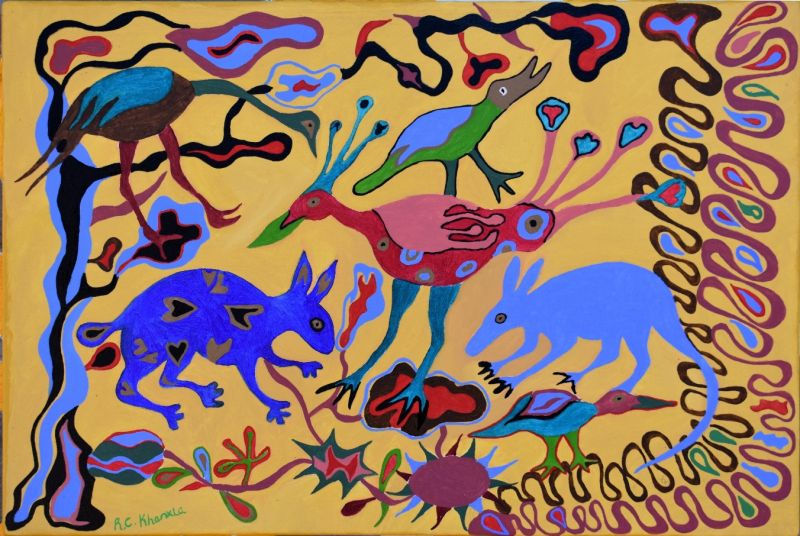
Oil on canvas 57.2 x 85.5 cm

Oil on Board Signed Dated 1962 90 cm x 65 cm
Oil on Board Signed Dated 1962 90 cm x 65 cm

Coloured pencil on paper 24.1 x 18.4 cm 2015
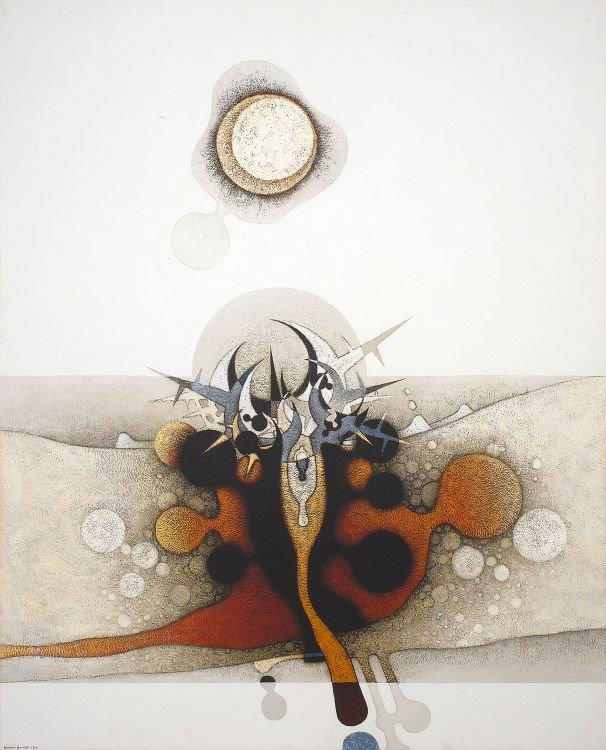
Sunburst Mixed Media on Board 122.5 x 99 cm
Sunburst Mixed Media on Board 122.5 x 99 cm
Bobbie Burgers
Bobbie Burgers is a contemporary Canadian painter. Her lush and Expressionistic depictions of flowers teeter on the verge of abstraction, bursting with bright color and laden with thickly applied, textural paint. “Flowers, to me, are the opposite of still,” the artist has explained. “Changing from minute to minute, they are perfect symbols for life, death, yearning, and beauty. My brushstrokes are layered with my own internal charges, depicting anger, frustration, softness, wanting, and more.” Born in 1973 in Vancouver, Canada, she studied Art History at the University of Victoria in British Columbia. Her work has been exhibited widely at home and abroad, notably including Art Market San Francisco and Equinox Gallery. Today, her works are in the collections of the Berost Corporation in Toronto and the Royal Bank of Canada, among others. Burgers lives and works in Vancouver, Canada.
Bobbie Burgers
Bobbie Burgers is a contemporary Canadian painter. Her lush and Expressionistic depictions of flowers teeter on the verge of abstraction, bursting with bright color and laden with thickly applied, textural paint. “Flowers, to me, are the opposite of still,” the artist has explained. “Changing from minute to minute, they are perfect symbols for life, death, yearning, and beauty. My brushstrokes are layered with my own internal charges, depicting anger, frustration, softness, wanting, and more.” Born in 1973 in Vancouver, Canada, she studied Art History at the University of Victoria in British Columbia. Her work has been exhibited widely at home and abroad, notably including Art Market San Francisco and Equinox Gallery. Today, her works are in the collections of the Berost Corporation in Toronto and the Royal Bank of Canada, among others. Burgers lives and works in Vancouver, Canada.
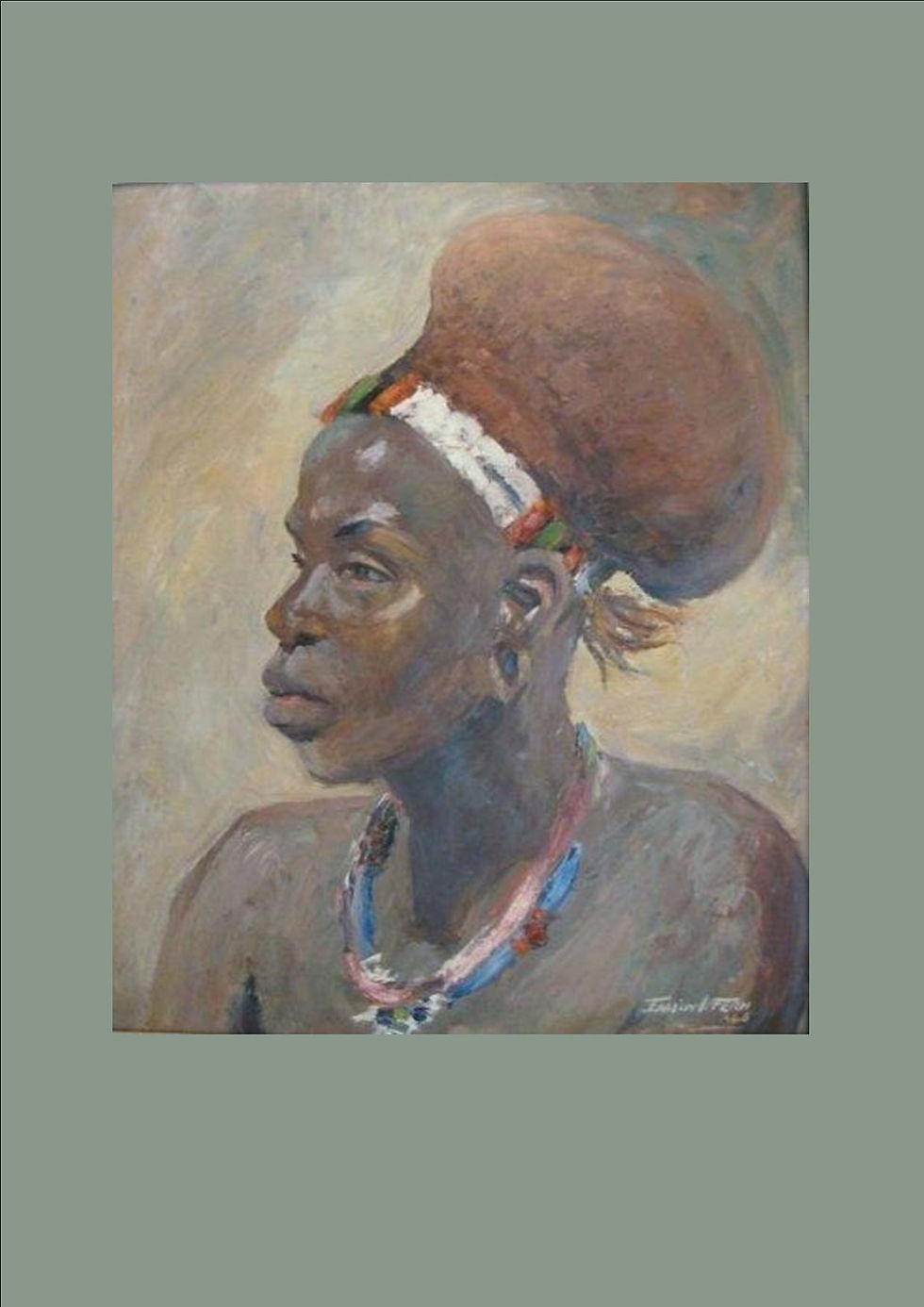
Oil on canvas Signed 32 x 39 cm
Oil on canvas Signed 32 x 39 cm

Oil on board 44 cm x 45 cm
Oil on board 44 cm x 45 cm

Oil on Canvas Dated 2012 75 cm x 57cm
Oil on Canvas Dated 2012 75 cm x 57cm

Oil Signed .Titled 88 x 120 cm
Oil Signed .Titled 88 x 120 cm

Mixed Media and Collage on canvas Signed Dated 16 163 cm x 160 cm
Mixed Media and Collage on canvas Signed Dated 16 163 cm x 160 cm
Mixed Media and Collage on canvas Signed Dated 16 163 cm x 160 cm

Oil on canvas Signed 53 x 106 cm

Acrylic on Board Signed 44 cm x 40 cm
Acrylic on Board Signed 44 cm x 40 cm

Colour Pencil on Paper Signed 16 cm x 11 cm
High Fired Pottery 27.5 cm x 18.7 cm x 18.7 cm

Signed Oil 24 cm x 35 cm
Contemporary South African Art
Coetzee, Christo
Article credits to: http://en.wikipedia.org/wiki/Christo_Coetzee
South African assemblage and Neo-Baroque artist closely associated with the avant-garde art movements of Europe and Japan during the 1950s and 1960s. Under the influence of art theorist Michel Tapié, art dealer Rodolphe Stadler and art collector and photographer Anthony Denney, as well as the Gutai group of Japan, he developed his oeuvre alongside those of artists strongly influenced by Tapié's Un Art Autre (1952), such as Georges Mathieu, Alfred Wols, Jean Dubuffet, Jean Fautrier, Hans Hartung, Pierre Soulages, Antoni Tàpies and Lucio Fontana.[1]
Christo Coetzee was born on 24 March 1929 at 54 Biccard Street, Turfontein, Johannesburg to Josef Adriaan Coetzee and Francina Sofia Kruger (1888-1964) (who claimed to be a relation of President Paul Kruger). The family had been farming in the Colesberg district, but were forced by drought and the dilution of income by a large number of sons on the Coetzee family farm, Strydpoort, to seek an income in the rich mining economy of the Witwatersrand some time before Christo's birth. Christo's father developed a lung condition colloquially referred to as miners' phthisis and moved to the building industry, where a talent for drawing became evident.
Christo would later attribute his artistic talents to his father and his business acumen to his mother. Christo's father died in 1939 and he was raised by his mother and two sisters, Gertruida (20 years his senior) and Johanna (16 years older).[2]
Christo attended Parkview Primary School and then Parktown Boys' High School, where he became an enthusiastic art student. In the years 1946 to 1950 he attended the University of the Witwatersrand (Wits), where his fellow students were Larry Scully, Cecil Skotnes, Esmé Berman, Nel Erasmus, Ruth Allen (Furness), Gordon Vorster, Anna Vorster and Gerda Meyer (Eloff). With Scully, Skotnes, Vorster and Erasmus, he would become part of the so-called Wits group, a loosely knit group better known for their subsequent careers than any coherent aesthetic philosophy.[3]
At Wits Christo designed decor and costumes for drama productions. Influential teachers were Charles Argent, Maria Stein-Lessing, Heather Martienssen, and Marjorie Long, who would become his first wife.[2]
After graduation from Wits with a degree in fine art in 1951, Christo Coetzee had his first solo exhibition in January of that year. This exhibition was opened by South African National Gallery director John Paris,[1][4] and featured portraits in Victorian daguerrotype style.[5]
Mobius Infinity Chain
Christo Coetzee combines a number of styles in this lively painting. First, he places writhing tube-like forms across the picture plane. These are reminiscent of his tubular period of the late 1960s and early 1970s. One can also clearly distinguish the two black built-up volcano-like shapes, which harp back to the artist’s early 1960s assemblage works in Paris, with the emphasis on the circle as dominant symbol at the time. One can even detect a sense of the slashing of works, and the dramatic occurrence of 1975 when Coetzee took a blade and cut 23 of his paintings to shreds at the opening of one of his exhibitions in Cape Town. He then went on to repair the works in what came to be regarded his best paintings. The present Lot synthesises all these different styles.

Black Rose Africa 1970-1 Oil and Sand on Canvas Signed & Dated 1971, Title 212.5cm x 212.5 cm
Black Rose Africa and Shell
Soon after completing his fine art degree at Wits, Coetzee left South Africa in 1951 on the crest of a solo exhibition organised by John Paris, then director of the South African National Gallery in Cape Town. It was to launch an extraordinary period in his career that included a two-person exhibition with the renowned Italian artist, Lucio Fontana, at the prestigious Parisian gallery of Rodolphe Stadler, and collaborations with the radical Gutai Group in Japan from 1959 to 1960.
Shell, painted in 1960, formerly owned by Marie Brecher, the mother of Coetzee’s wife Ferri Binge-Coetzee, was one of the first in a new approach to painting. Its rich painterly surfaces and decorative detail are not only evidence of the influence of Antonio Gaudi’s decoration of the Parc Guell and Sagrada Familia cathedral in Barcelona which Coetzee visited on extended visits to Spain but also the world of European avant-garde artists such as the French Tachistes.
During his decade-long sojourn in Europe, Coetzee’s work caught the attention of major European and American collectors, including celebrated photographer and designer Anthony Denney, architect Philip Johnson and actress Sophia Loren, and was included in the seminal Museum of Modern Art (MOMA) exhibition The art of assemblage in 1961. The diamond-shaped Black Rose Africa has a fascinating history.
The stimulus for this extraordinary painting was the stained glass rose windows of the Cathédrale Notre-Dame de Paris, a stone’s throw from the artist’s basement studio at Rue de l’Hotel Côlbert. Coetzee was fascinated by what he described as “the multitude of mysteries and ideas distinctively associated with the circle as a perfect and closed unity and symbolic source of energy” as Johan Myburg points out in Aspire’s informative auction catalogue. In Black Rose Africa, the rose-pattern formed by a myriad of predominantly black dots is overpainted with irregular petal-like forms (the half of the infinity symbol that characterised Coetzee’s earlier work), textured by means of parallel hatching.


Mixed Media on Paper Inscribed and titled 82-21 50 x 61 cm

Mixed media and collage on paper Signed twice, dated 1976 and numbered "55" 64.5 x 50.5 cm

Oil Ink and sand on canvas Signed and dated 1971 150.5 cm x 150.5 cm

Mixed Media on canvas Signed Dated '76 inscribed with title on reverse 123cm x 122cm x 3cm

Mixed media on paper Signed; Dated 1994 61 x 45 cm

Mixed media on paper Signed, dated 1978. Numbered 63 Inscribed with the title and Tulbagh, Cape, SA 51 x 64 cm

Gouche Pencil on Woven Paper Signed Tulbagh Cape 78

Oil on Board Signe122 cm x 122 cm
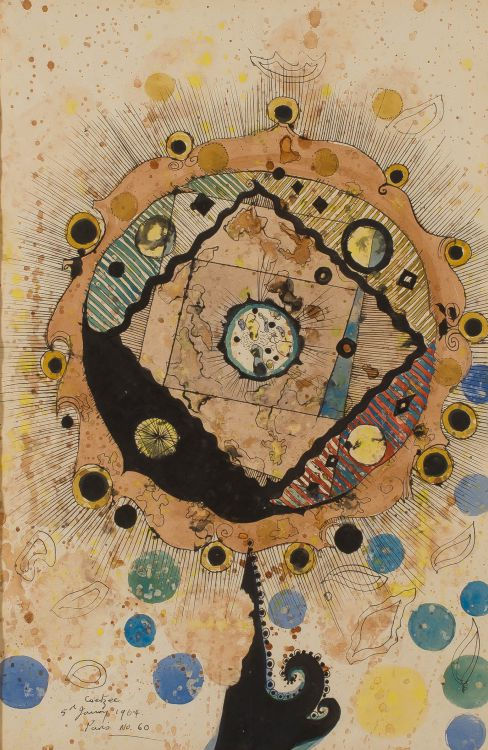
Mixed Media on Paper 52 x 35 cm Signed and dated 1964