
Oil on canvas Signed 53 x 106 cm
Oil on canvas Signed 53 x 106 cm
Oil on canvas Signed 53 x 106 cm
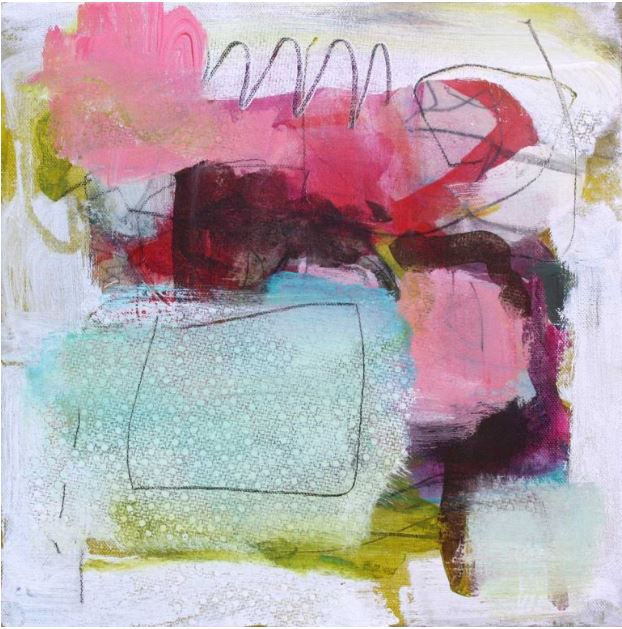
Acrylic on canvas 30.5 x 30.5 cm
Acrylic on canvas 30.5 x 30.5 cm
Acrylic on canvas 30.5 x 30.5 cm
Acrylic on canvas 30.5 x 30.5 cm
Acrylic on canvas 30.5 x 30.5 cm
Oil on canvas Signed 53 x 106 cm

Oil on Canvas 47.6 x 48.3 cm
Oil on Canvas 47.6 x 48.3 cm

Gouache on Paper 75 x 55 cm

Gouache on Paper 75 x 55 cm
Gouache on Paper 75 x 55 cm
Gouache on Paper 75 x 55 cm

Acrylic on Canvas 91.4 cm x 61 cm Signed lower right; titled and dated verso; unframed
Acrylic on Canvas 91.4 cm x 61 cm Signed lower right; titled and dated verso; unframed
Acrylic on Canvas 91.4 cm x 61 cm Signed lower right; titled and dated verso; unframed
Acrylic on Canvas 91.4 cm x 61 cm Signed lower right; titled and dated verso; unframed

Acrylic on Canvas 91.4 cm x 61 cm Dated 1996 Signed lower right, Titled and dated verso, Unframed
Northwest Coast
Inuit Sculpture Artist Unknown

Sedna Soapstone
Sedna Soapstone

High Fired Pottery 27.5 cm x 18.7 cm x 18.7 cm

Acrylic Painted Skull 44 cm x 20 cm

Oil on canvas Signed; Numbered 12-06 76 x 58 cm
Oil on canvas Signed; Numbered 12-06 76 x 58 cm
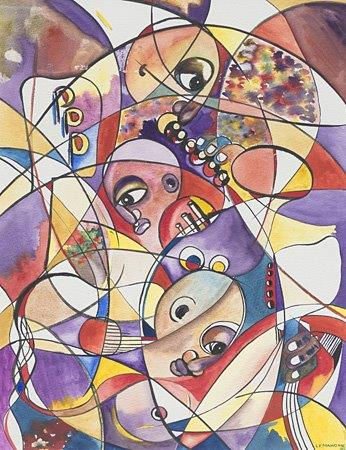
Watercolor Signed Dated 1993 36 x 28cm
Watercolor Signed Dated 1993 36 x 28cm
Watercolor Signed Dated 1993 36 x 28cm
Watercolor Signed Dated 1993 36 x 28cm

Rosewood Tables 78 cm x 150 cm x 54.5 cm
Rosewood Tables 78 cm x 150 cm x 54.5 cm
Rosewood Tables 78 cm x 150 cm x 54.5 cm
Rosewood Tables 78 cm x 150 cm x 54.5 cm
Rosewood Tables 78 cm x 150 cm x 54.5 cm
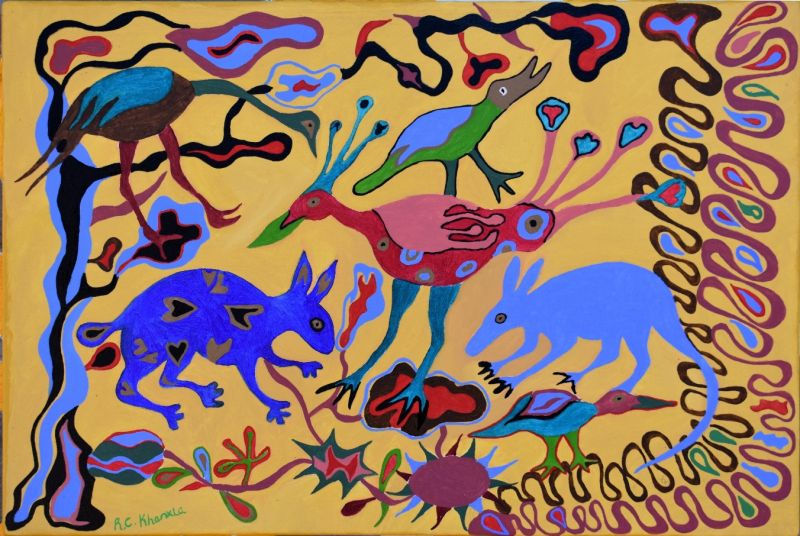
Oil on canvas 57.2 x 85.5 cm

Oil on Board Signed Dated 1962 90 cm x 65 cm
Oil on Board Signed Dated 1962 90 cm x 65 cm

Coloured pencil on paper 24.1 x 18.4 cm 2015
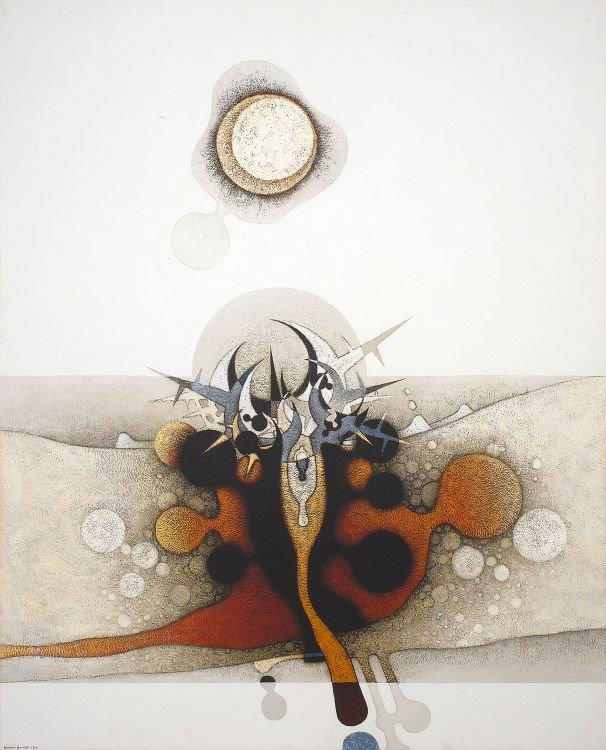
Sunburst Mixed Media on Board 122.5 x 99 cm
Sunburst Mixed Media on Board 122.5 x 99 cm
Bobbie Burgers
Bobbie Burgers is a contemporary Canadian painter. Her lush and Expressionistic depictions of flowers teeter on the verge of abstraction, bursting with bright color and laden with thickly applied, textural paint. “Flowers, to me, are the opposite of still,” the artist has explained. “Changing from minute to minute, they are perfect symbols for life, death, yearning, and beauty. My brushstrokes are layered with my own internal charges, depicting anger, frustration, softness, wanting, and more.” Born in 1973 in Vancouver, Canada, she studied Art History at the University of Victoria in British Columbia. Her work has been exhibited widely at home and abroad, notably including Art Market San Francisco and Equinox Gallery. Today, her works are in the collections of the Berost Corporation in Toronto and the Royal Bank of Canada, among others. Burgers lives and works in Vancouver, Canada.
Bobbie Burgers
Bobbie Burgers is a contemporary Canadian painter. Her lush and Expressionistic depictions of flowers teeter on the verge of abstraction, bursting with bright color and laden with thickly applied, textural paint. “Flowers, to me, are the opposite of still,” the artist has explained. “Changing from minute to minute, they are perfect symbols for life, death, yearning, and beauty. My brushstrokes are layered with my own internal charges, depicting anger, frustration, softness, wanting, and more.” Born in 1973 in Vancouver, Canada, she studied Art History at the University of Victoria in British Columbia. Her work has been exhibited widely at home and abroad, notably including Art Market San Francisco and Equinox Gallery. Today, her works are in the collections of the Berost Corporation in Toronto and the Royal Bank of Canada, among others. Burgers lives and works in Vancouver, Canada.
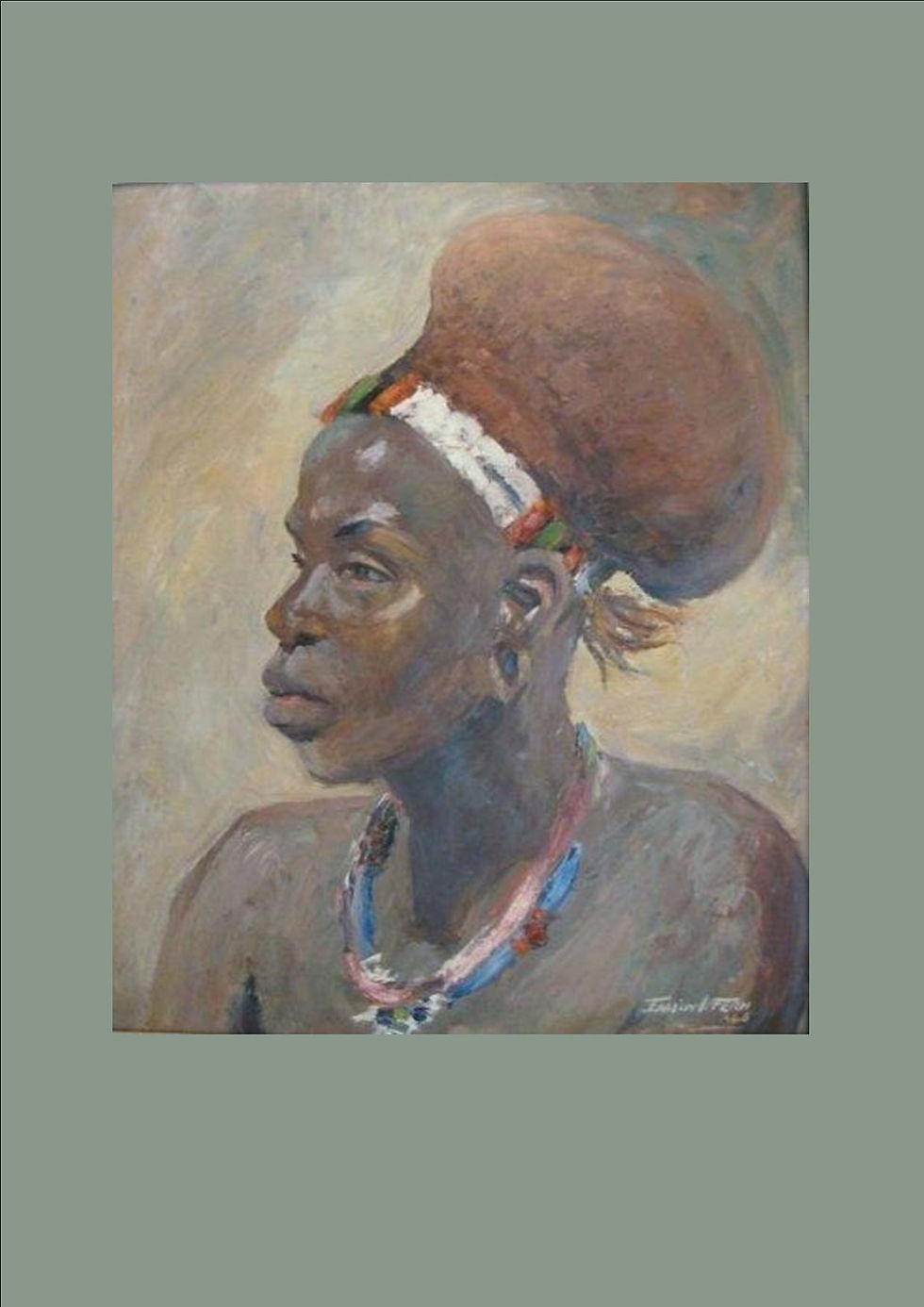
Oil on canvas Signed 32 x 39 cm
Oil on canvas Signed 32 x 39 cm

Oil on board 44 cm x 45 cm
Oil on board 44 cm x 45 cm

Oil on Canvas Dated 2012 75 cm x 57cm
Oil on Canvas Dated 2012 75 cm x 57cm

Oil Signed .Titled 88 x 120 cm
Oil Signed .Titled 88 x 120 cm

Mixed Media and Collage on canvas Signed Dated 16 163 cm x 160 cm
Mixed Media and Collage on canvas Signed Dated 16 163 cm x 160 cm
Mixed Media and Collage on canvas Signed Dated 16 163 cm x 160 cm

Oil on canvas Signed 53 x 106 cm

Acrylic on Board Signed 44 cm x 40 cm
Acrylic on Board Signed 44 cm x 40 cm

Colour Pencil on Paper Signed 16 cm x 11 cm
High Fired Pottery 27.5 cm x 18.7 cm x 18.7 cm

Signed Oil 24 cm x 35 cm
Contemporary South African Art
Borbereki, Zoltan
Name variant:
Borbereky, Zoltán Kovács Death: Johannesburg, March 26, 1992 Author: József Ladányi
After the Podolini-Volkmann Artur school, he studied at the Hungarian Academy of Fine Arts from 1928 until 1933. His teachers were János Vaszary and István Csók (whose assistant at the college). In his Roman fellowship, he studied fresco painting at the Accademia delle Belle Artin Ferruccio Ferrazzi. 1931: recognition of the Szinyei Society; 1933: The Painting Prize of the Holy See is the Ernst Museum CXXXVI. group exhibition; Between 1933-1934: Italian public scholarship; Between 1934 and 1935, the fellowship of the Hungarian Academy of Rome; 1935: József Ferenc jubilee sculpture award; 1937: Vindobona medal at the Hungarian exhibition in Vienna; Sculpture Grand Prix, World Expo, Paris; 1938: Luther Memorial Prize; Prize for Madách Memorial Prize; 1959: Royal Society of British Sculptors II. fee; 1962: Arts and Religion 1st Prize; 1974: National Stainless Steel Sculpture Competition I prize. The Association of New Artists and Vice President of the Rippl-Rónai Society. From 1933 he worked regularly at the colony of Szolnok. From 1940 he was the core of the artists' colony. In 1948 he left the country, in Italy, from Cape Town (Cape Town) in 1949 and later in Johannesburg. In 1992 he was buried in Szolnok.From 1928 he was an exhibitor. His first exhibitions featured paintings. His works were characterized by monumentality and dynamism. He did not study sculpture. At the beginning of the 30s he began to model the Szolnok colony. Even in his realistic sculptures, he tried to express pure forms, his works were blocked, his compositions closed. At first he worked with stone, and at the end of the decade he made bronze and woodcuts and reliefs. He also made building plastics that he wanted to achieve the unity of architecture and applied art. His statues depicted Hungarian folk types. At the end of the 40's, his works were broken and expressive. In South Africa he became acquainted with the natives' art, and his sculpture was influenced by black plastic. By the end of the 1960s he was figurative, but he made plastics towards abstraction. He used several materials, metal, wood and terracotta for his statues. Its forms have been gradually simplified. His works are rhythmic, dynamic plastics. His compositions were also characterized by a solid representation and a closed composition. Since the mid-60s, he used the semi-precious stones in South Africa, from which non-figurative sculptures were carved.
Literature
ENTZ G .: ~, Hungarian Cultural Review, 1941/4. VITÉZ NAGY Z .: ~, Fine Art, 1942/4. EGRI M .: Szolnok's Colony of Artists, Budapest, 1977 Hungarian Art 1919-1945, Budapest, 1985 L. L. MENYHÉRT: L., Budapest, 1986 (with literature) L. MENYHÉRT L .: (ed.), Vigadó Gallery, Budapest, 1987, literature) , P. J .: SZŰCS the Roman School, Budapest, 1987 L. MENYHÉRT L .: ~ art 1948, Szolnok Museum Yearbook VII. Szolnok, 1990 DANCSHÁZY HIGH M .: Búcsú ~ from, Art and Friends, 1992/4. L. ABOUT LIFE: From the Bullshit to the South Cross. ~1907-1992, New Art, 1993/1.
Individual exhibitions
Kovács Szalon [Gábor Boda] 1935 • Tamás Gallery, Budapest 1937 • Ernst Museum, Budapest [with János Vaszary] 1948 • Rome [With Elizabeth Borberekiné Sebők] 1951, 1952, 1954, 1956, 1961, 1962 • Whippman's Gallery, Johannesburg 1954 • Galerie Marcel Bernheim, Paris 1964 • G. Montenapoleone, Milan 1965 • Durban Art G. [Erzsébet Borberekiné Sebők] • Galerie Bürdeke, Zurich 1968 • Selected Works 1959-1968, Pretoria 1969 • Georgian House [Borberekiné Sebők Erzsébet, Borbereki Barbara ] 1971 • Gallery 101, Johannesburg 1973 • Triad Gallery, Johannesburg 1974-1975 • Gallery 21, London 1975 • Galerie Tchou, Paris1977 • Galerie Suzanne Bollang, Zürich 1987 • Vigadó Gallery, Budapest • Szolnok Gallery, Szolnok
Selected group exhibitions
Selected group exhibitions1928 • Spring Salon, National Salon, Budapest from 1931 • Exhibition of New Artists Exhibition, National Salon, Budapest • Spring Festival of the Szinye Society, National Salon, Budapest 1932 • XVIII. Venice Biennale, Venice • Hungarian Exposition, New York 1933 • CXXXVI. Group exhibition , Ernst Museum, Budapest (with larger material) from 1933 • National Fine Arts Exhibition, Műcsarnok, Budapest from 1934 • New Society Exhibition of Artists, National Salon, Budapest 1936 •Representative exhibition of the Szolnok Artists' Colony, National Salon, Budapest • XX. Biennale of Venice , Venice • Exhibition of Hungarian Hungarian Artists, National Salon, Budapest (with larger material) • Hungarian Art Exhibition, Pittsburg • New York 1937 • Hungarian Exhibition, Künstlerhaus, Vienna 1938 • XXI. Biennale of Venice , Venice • Modern Hungarian Small Plaster, Tamás Gallery, Budapest • Hungarian Art Exhibition, Helsinki 1939 • Group Exhibitions , Ernst Museum, Budapest (with larger material) 1940 • Hungarian Small Plasztika, Tamás Gallery, Budapest1941 • Hungarian Ecclesiastical Exhibition, National Salon, Budapest • Artistic (with larger material) 1942 • "1942" , National Salon, Budapest • Liberty and Folk, Ironworks Headquarters, Budapest 1943 • Hungarian Artists' Pictures, National Salon, Budapest 1944 50 years of Hungarian art, Budapest Art Gallery, Budapest • Hungarian exhibition,Kunsthaus, Zurich • Group exhibition, Count Almássy-Teleki Éva Art Institute (with bigger material) 1945 • Innovators of our fine art from Nagybánya to the present day, Budapest Gallery, Budapest from 1946 • Rippl-Rónai The exhibition,Ernst Museum, Budapest • National Salon, Budapest 1947 • Exhibition of fifty artists, National Salon, Budapest 1948 • Exhibition of 90 artists, National Salon, Budapest • Hungarian Exhibition, London • Stockholm 1957 • Hungarian Revolutionary Art , Műcsarnok, Budapest 1962 • Szabadság és People, Csók Gallery, Budapest 1966 • Hungarian Sculpture 1920-1945. Hungarian art of the twentieth century, Csók Képtár, Székesfehérvár • Exhibition of the artists' colony of Szolnok, Hungarian National Gallery, Budapest 1970 • 20th century Hungarian artists abroad, Műcsarnok, Budapest1977, 1978 • Jubilee Exhibition of the Colony of Szolnok, Damjanich Museum, Szolnok • Szolnok Gallery, Szolnok • Hungarian National Gallery, Budapest 1980 • Socialist sculpture 1919-1945, Savaria Museum, Szombathely 1982 • Honor to the native land. Artists living abroad with Hungarian descent II. exhibition,Műcsarnok, Budapest 1983, 1984 • Roman School I, II, Christian Museum, Esztergom.
Works in public collections
Works in public collectionsJános Damjanich Museum, Szolnok South African National Gallery, Cape Town Déri Museum, Debrecen Szent István Király Museum, Székesfehérvár Janus Pannonius Museum Modern Gallery, Pécs Luther Museum, Wittenberg (D) Hungarian National Gallery, Budapest Modern Art Museum, Bogotá National Museum , Helsinki Museum of Fine Arts, Budapest City Museum, Durban (South Africa)
Ref: https://artportal.hu/lexikon-muvesz/borbereki-kovacs-zoltan-399/

Artist Photo
Was born in 1907 in Hungary, attending the Academy of Fine Arts in Budapest under the teachings of János Vaszary and István Csók. Focusing on fresco painting during his scholarship in Rome, Borbereki-Kovacs became a member of UME and worked frequently at the artists colony of Szolnok. He began working exclusively as a sculptor before moving to Johannesburg to pursue his art practice.
His realistic sculptures express the ‘pure’ forms of compositions, generating a block-like aesthetic. Mastering stone sculpture, Borbereki-Kovacs started to explore bronze, wood and relief. Having moved to South Africa, his work was majorly influenced by the African native art, thus Borbereki-Kovacs’ work began to shift into an abstracted form and became cubist-like. His materials began to expand, using metal, wood and terracotta to build statuettes. Borbereki-Kovacs’ rhythmic style and dynamic compositions along with his mastering of certain materials led his work to become simplified and a new take on figurative style.

Oil on Board Signed 1959 75.5 cm x 62.5 cm