
Oil on canvas Signed 53 x 106 cm
Oil on canvas Signed 53 x 106 cm
Oil on canvas Signed 53 x 106 cm
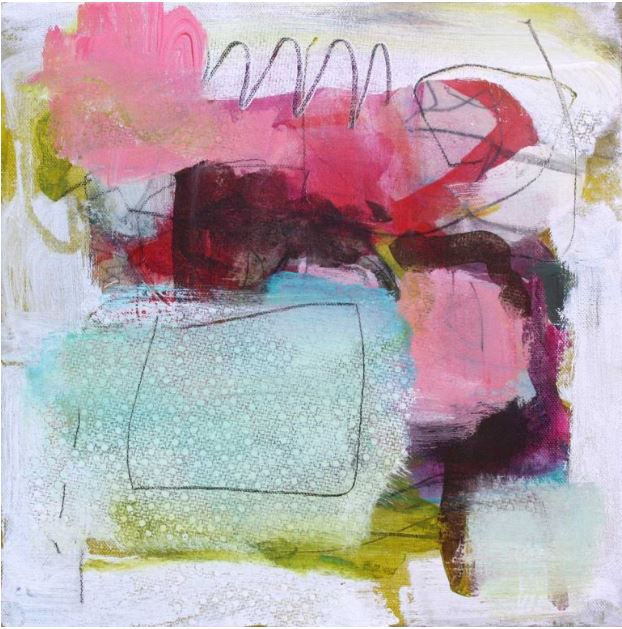
Acrylic on canvas 30.5 x 30.5 cm
Acrylic on canvas 30.5 x 30.5 cm
Acrylic on canvas 30.5 x 30.5 cm
Acrylic on canvas 30.5 x 30.5 cm
Acrylic on canvas 30.5 x 30.5 cm
Oil on canvas Signed 53 x 106 cm

Oil on Canvas 47.6 x 48.3 cm
Oil on Canvas 47.6 x 48.3 cm

Gouache on Paper 75 x 55 cm

Gouache on Paper 75 x 55 cm
Gouache on Paper 75 x 55 cm
Gouache on Paper 75 x 55 cm

Acrylic on Canvas 91.4 cm x 61 cm Signed lower right; titled and dated verso; unframed
Acrylic on Canvas 91.4 cm x 61 cm Signed lower right; titled and dated verso; unframed
Acrylic on Canvas 91.4 cm x 61 cm Signed lower right; titled and dated verso; unframed
Acrylic on Canvas 91.4 cm x 61 cm Signed lower right; titled and dated verso; unframed

Acrylic on Canvas 91.4 cm x 61 cm Dated 1996 Signed lower right, Titled and dated verso, Unframed
Northwest Coast
Inuit Sculpture Artist Unknown

Sedna Soapstone
Sedna Soapstone

High Fired Pottery 27.5 cm x 18.7 cm x 18.7 cm

Acrylic Painted Skull 44 cm x 20 cm

Oil on canvas Signed; Numbered 12-06 76 x 58 cm
Oil on canvas Signed; Numbered 12-06 76 x 58 cm
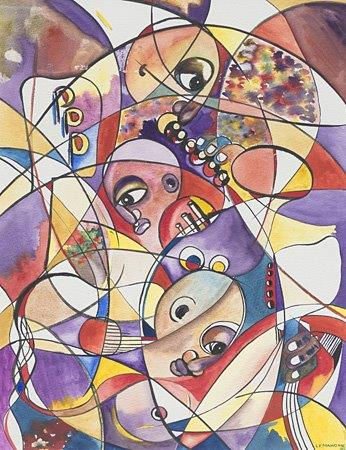
Watercolor Signed Dated 1993 36 x 28cm
Watercolor Signed Dated 1993 36 x 28cm
Watercolor Signed Dated 1993 36 x 28cm
Watercolor Signed Dated 1993 36 x 28cm

Rosewood Tables 78 cm x 150 cm x 54.5 cm
Rosewood Tables 78 cm x 150 cm x 54.5 cm
Rosewood Tables 78 cm x 150 cm x 54.5 cm
Rosewood Tables 78 cm x 150 cm x 54.5 cm
Rosewood Tables 78 cm x 150 cm x 54.5 cm
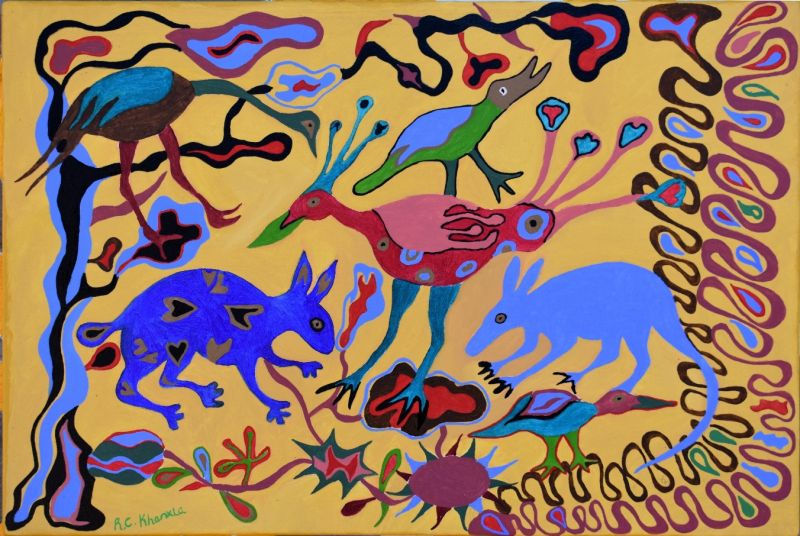
Oil on canvas 57.2 x 85.5 cm

Oil on Board Signed Dated 1962 90 cm x 65 cm
Oil on Board Signed Dated 1962 90 cm x 65 cm

Coloured pencil on paper 24.1 x 18.4 cm 2015
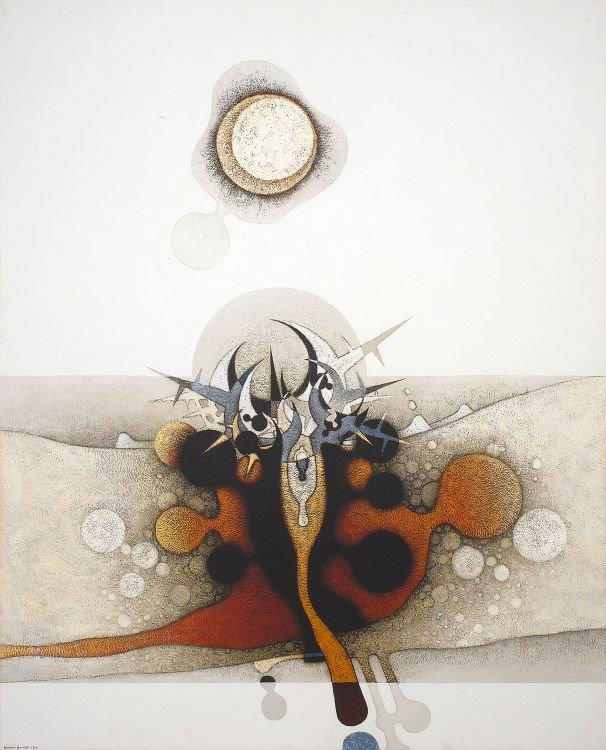
Sunburst Mixed Media on Board 122.5 x 99 cm
Sunburst Mixed Media on Board 122.5 x 99 cm
Bobbie Burgers
Bobbie Burgers is a contemporary Canadian painter. Her lush and Expressionistic depictions of flowers teeter on the verge of abstraction, bursting with bright color and laden with thickly applied, textural paint. “Flowers, to me, are the opposite of still,” the artist has explained. “Changing from minute to minute, they are perfect symbols for life, death, yearning, and beauty. My brushstrokes are layered with my own internal charges, depicting anger, frustration, softness, wanting, and more.” Born in 1973 in Vancouver, Canada, she studied Art History at the University of Victoria in British Columbia. Her work has been exhibited widely at home and abroad, notably including Art Market San Francisco and Equinox Gallery. Today, her works are in the collections of the Berost Corporation in Toronto and the Royal Bank of Canada, among others. Burgers lives and works in Vancouver, Canada.
Bobbie Burgers
Bobbie Burgers is a contemporary Canadian painter. Her lush and Expressionistic depictions of flowers teeter on the verge of abstraction, bursting with bright color and laden with thickly applied, textural paint. “Flowers, to me, are the opposite of still,” the artist has explained. “Changing from minute to minute, they are perfect symbols for life, death, yearning, and beauty. My brushstrokes are layered with my own internal charges, depicting anger, frustration, softness, wanting, and more.” Born in 1973 in Vancouver, Canada, she studied Art History at the University of Victoria in British Columbia. Her work has been exhibited widely at home and abroad, notably including Art Market San Francisco and Equinox Gallery. Today, her works are in the collections of the Berost Corporation in Toronto and the Royal Bank of Canada, among others. Burgers lives and works in Vancouver, Canada.
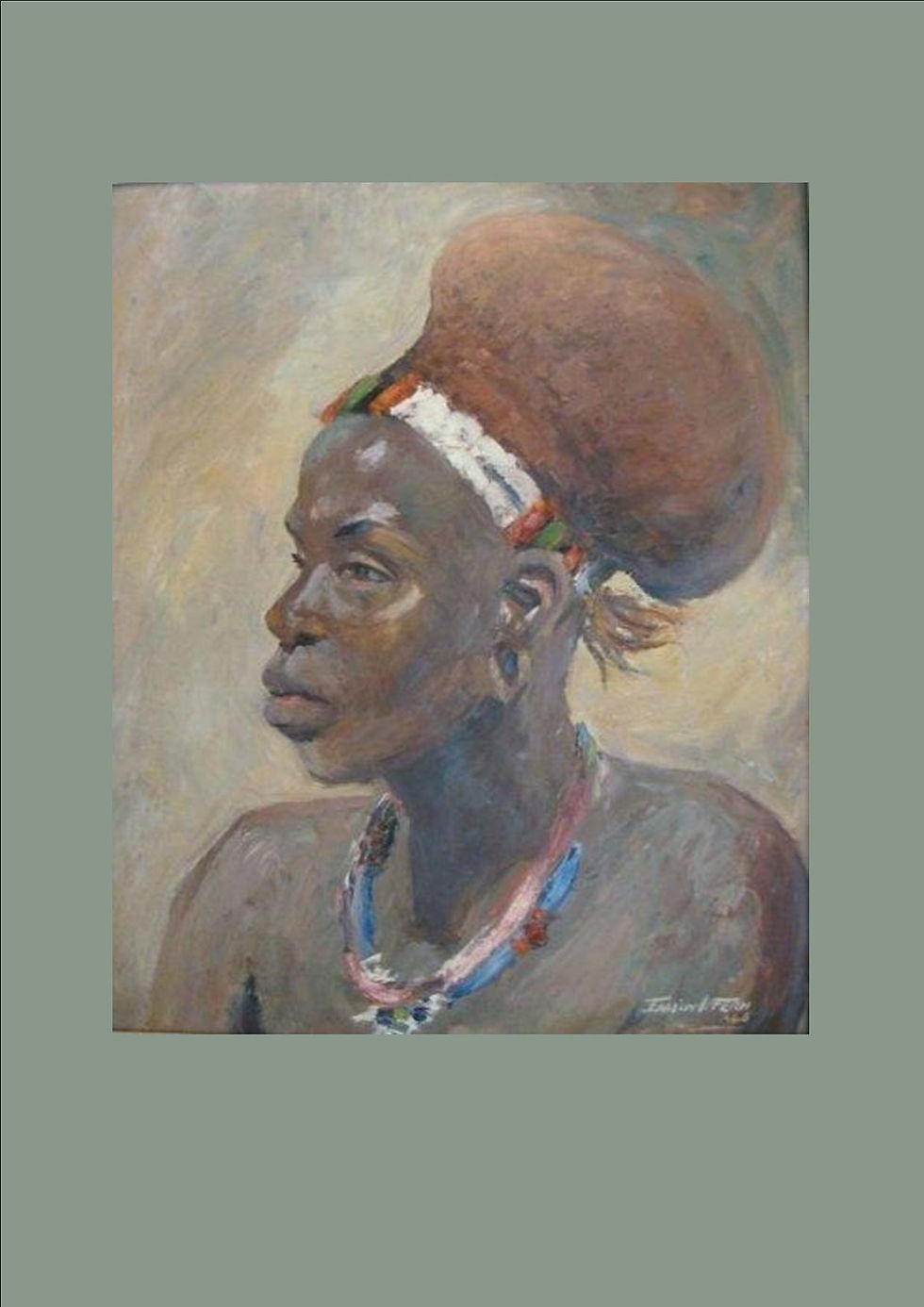
Oil on canvas Signed 32 x 39 cm
Oil on canvas Signed 32 x 39 cm

Oil on board 44 cm x 45 cm
Oil on board 44 cm x 45 cm

Oil on Canvas Dated 2012 75 cm x 57cm
Oil on Canvas Dated 2012 75 cm x 57cm

Oil Signed .Titled 88 x 120 cm
Oil Signed .Titled 88 x 120 cm

Mixed Media and Collage on canvas Signed Dated 16 163 cm x 160 cm
Mixed Media and Collage on canvas Signed Dated 16 163 cm x 160 cm
Mixed Media and Collage on canvas Signed Dated 16 163 cm x 160 cm

Oil on canvas Signed 53 x 106 cm

Acrylic on Board Signed 44 cm x 40 cm
Acrylic on Board Signed 44 cm x 40 cm

Colour Pencil on Paper Signed 16 cm x 11 cm
High Fired Pottery 27.5 cm x 18.7 cm x 18.7 cm

Signed Oil 24 cm x 35 cm
Contemporary South African Art
Bester, Willie
Article credits to wikipedia.com
Bester was born in 1956 in Montagu, a small town 150 km from Cape Town, South Africa. [1] His father was Xhosa and his mother was classified coloured according to the apartheid systems ot the time. Bester displayed talent early. When other boys made basic wire cars, his cars were elaborated
and decorated, and he began to paint at the age
of seven. When he was 10 years old, his family was forcibly removed in accordance with the Group Areas Act. Bester soon had to leave school to help
the family economically.
In his late teens, Bester, like many township and rural youth in similar situations joined the South African Defence Force. He spent a year there,
and another in a military camp for unemployed black youth. The experiences of raw and naked racism
and the war were important influences.
At the age of 30 Bester returned to the childhood interest of art. The Community Arts Project (CAP)
in District Six gathered a community of socially committed artists he began to associate with.
He used his art to express a political conscience, and became active in the anti-apartheid movement.
In the 80’s Bester became gradually more successful and known nationally and internationally and turned professional in 1991. Bester lives and works in Kuilsrivier, a suburb of Cape Town. [2]
[edit] Work
His works are collages assembled from scraps
and junk from flea markets, townships and scrap yards like shoes, bones, tins, newspaper clippings, metal pieces combined with the use of oil paints and photographs. The themes of the art works stem from the political issues of the time. During Apartheid forced removals and brutalisation of society. Today crime, greed, poverty and corruption. Quote: "People have built up a resistance to anything that addresses the psyche of mankind or people or themselves.
I believe that we must protest against that which
is wrong. There is no form of escape; remaining apolitical is a luxury that South Africans simply cannot afford." [3]
Some of Bester's work is part of The Contemporary African Art Collection (CAAC) of Jean Pigozzi. One of his works was sold for £10.000 at a Sotheby's auction in London. [4]
Literature
• House, Gloria, Alison Kenzie, und Art Gallery of Windsor. Willie Bester: apartheid laboratory : Art Gallery of Windsor, February 24-June 17, 2007. Art Gallery of Windsor, 2008.
• Lee, Donvé. Willie Bester: art as a weapon. Awareness Publishing, 2008.
References
1. ^ South Africa art exhibition at Davos 2010
2. ^ artist's homepage
3. ^ CAACART The Pigozzi Collection
4. ^ V Gallery`s homepage

Mixed Media Signed 40 cm x 80 cm

Oil & Collage Signed 73 cm x 38 cm

Lithograph on Rives Paper Signed & Numbered 42/100 56 cm x 71 cm

Oil on Canvas Board Signed & Dated 77

Oil on Canvas Board Signed & Dated 00 Inscribed with Title on the Artists Frame 22 cm x 31 cm

Mixed Media and Assemblage Signed 110 cm x 188 cm

Oil Resin Set Canvas Glass Wood Steel Signed Dated 1997 167 cm x 92 cm x 88 cm