
Oil on canvas Signed 53 x 106 cm
Oil on canvas Signed 53 x 106 cm
Oil on canvas Signed 53 x 106 cm
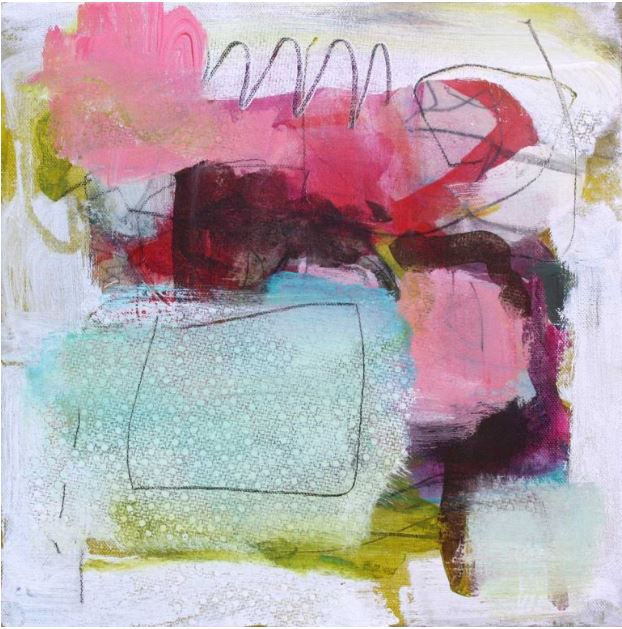
Acrylic on canvas 30.5 x 30.5 cm
Acrylic on canvas 30.5 x 30.5 cm
Acrylic on canvas 30.5 x 30.5 cm
Acrylic on canvas 30.5 x 30.5 cm
Acrylic on canvas 30.5 x 30.5 cm
Oil on canvas Signed 53 x 106 cm

Oil on Canvas 47.6 x 48.3 cm
Oil on Canvas 47.6 x 48.3 cm

Gouache on Paper 75 x 55 cm

Gouache on Paper 75 x 55 cm
Gouache on Paper 75 x 55 cm
Gouache on Paper 75 x 55 cm

Acrylic on Canvas 91.4 cm x 61 cm Signed lower right; titled and dated verso; unframed
Acrylic on Canvas 91.4 cm x 61 cm Signed lower right; titled and dated verso; unframed
Acrylic on Canvas 91.4 cm x 61 cm Signed lower right; titled and dated verso; unframed
Acrylic on Canvas 91.4 cm x 61 cm Signed lower right; titled and dated verso; unframed

Acrylic on Canvas 91.4 cm x 61 cm Dated 1996 Signed lower right, Titled and dated verso, Unframed
Northwest Coast
Inuit Sculpture Artist Unknown

Sedna Soapstone
Sedna Soapstone

High Fired Pottery 27.5 cm x 18.7 cm x 18.7 cm

Acrylic Painted Skull 44 cm x 20 cm

Oil on canvas Signed; Numbered 12-06 76 x 58 cm
Oil on canvas Signed; Numbered 12-06 76 x 58 cm
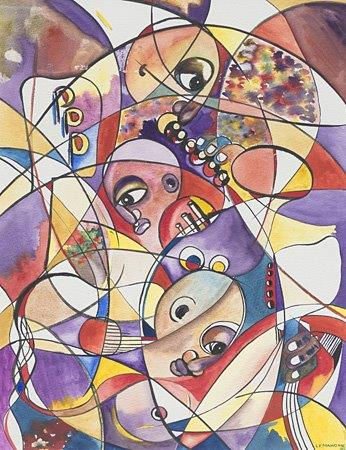
Watercolor Signed Dated 1993 36 x 28cm
Watercolor Signed Dated 1993 36 x 28cm
Watercolor Signed Dated 1993 36 x 28cm
Watercolor Signed Dated 1993 36 x 28cm

Rosewood Tables 78 cm x 150 cm x 54.5 cm
Rosewood Tables 78 cm x 150 cm x 54.5 cm
Rosewood Tables 78 cm x 150 cm x 54.5 cm
Rosewood Tables 78 cm x 150 cm x 54.5 cm
Rosewood Tables 78 cm x 150 cm x 54.5 cm
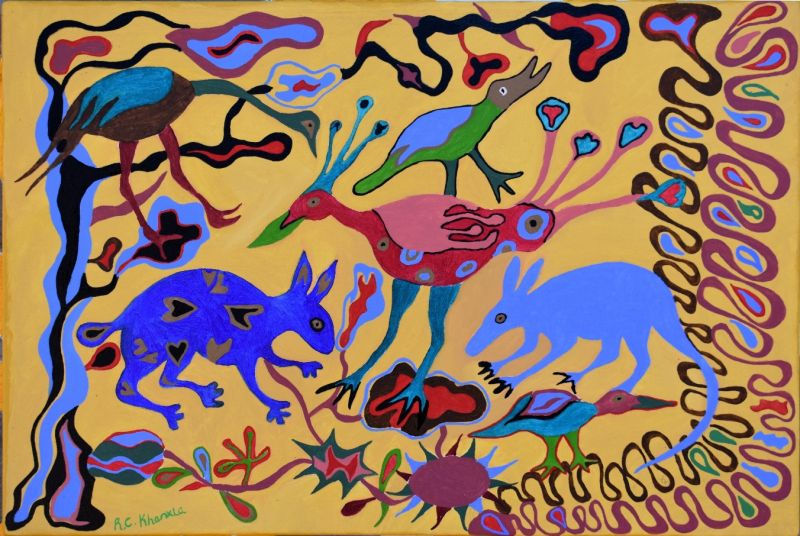
Oil on canvas 57.2 x 85.5 cm

Oil on Board Signed Dated 1962 90 cm x 65 cm
Oil on Board Signed Dated 1962 90 cm x 65 cm

Coloured pencil on paper 24.1 x 18.4 cm 2015
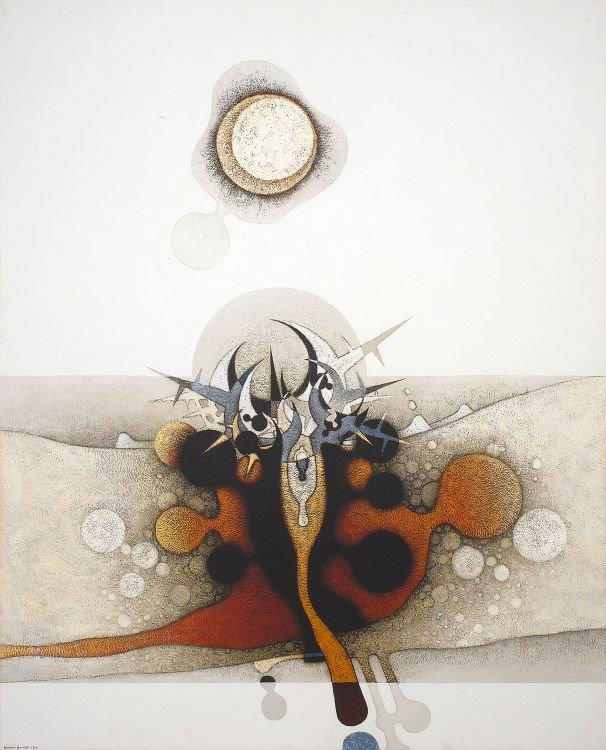
Sunburst Mixed Media on Board 122.5 x 99 cm
Sunburst Mixed Media on Board 122.5 x 99 cm
Bobbie Burgers
Bobbie Burgers is a contemporary Canadian painter. Her lush and Expressionistic depictions of flowers teeter on the verge of abstraction, bursting with bright color and laden with thickly applied, textural paint. “Flowers, to me, are the opposite of still,” the artist has explained. “Changing from minute to minute, they are perfect symbols for life, death, yearning, and beauty. My brushstrokes are layered with my own internal charges, depicting anger, frustration, softness, wanting, and more.” Born in 1973 in Vancouver, Canada, she studied Art History at the University of Victoria in British Columbia. Her work has been exhibited widely at home and abroad, notably including Art Market San Francisco and Equinox Gallery. Today, her works are in the collections of the Berost Corporation in Toronto and the Royal Bank of Canada, among others. Burgers lives and works in Vancouver, Canada.
Bobbie Burgers
Bobbie Burgers is a contemporary Canadian painter. Her lush and Expressionistic depictions of flowers teeter on the verge of abstraction, bursting with bright color and laden with thickly applied, textural paint. “Flowers, to me, are the opposite of still,” the artist has explained. “Changing from minute to minute, they are perfect symbols for life, death, yearning, and beauty. My brushstrokes are layered with my own internal charges, depicting anger, frustration, softness, wanting, and more.” Born in 1973 in Vancouver, Canada, she studied Art History at the University of Victoria in British Columbia. Her work has been exhibited widely at home and abroad, notably including Art Market San Francisco and Equinox Gallery. Today, her works are in the collections of the Berost Corporation in Toronto and the Royal Bank of Canada, among others. Burgers lives and works in Vancouver, Canada.
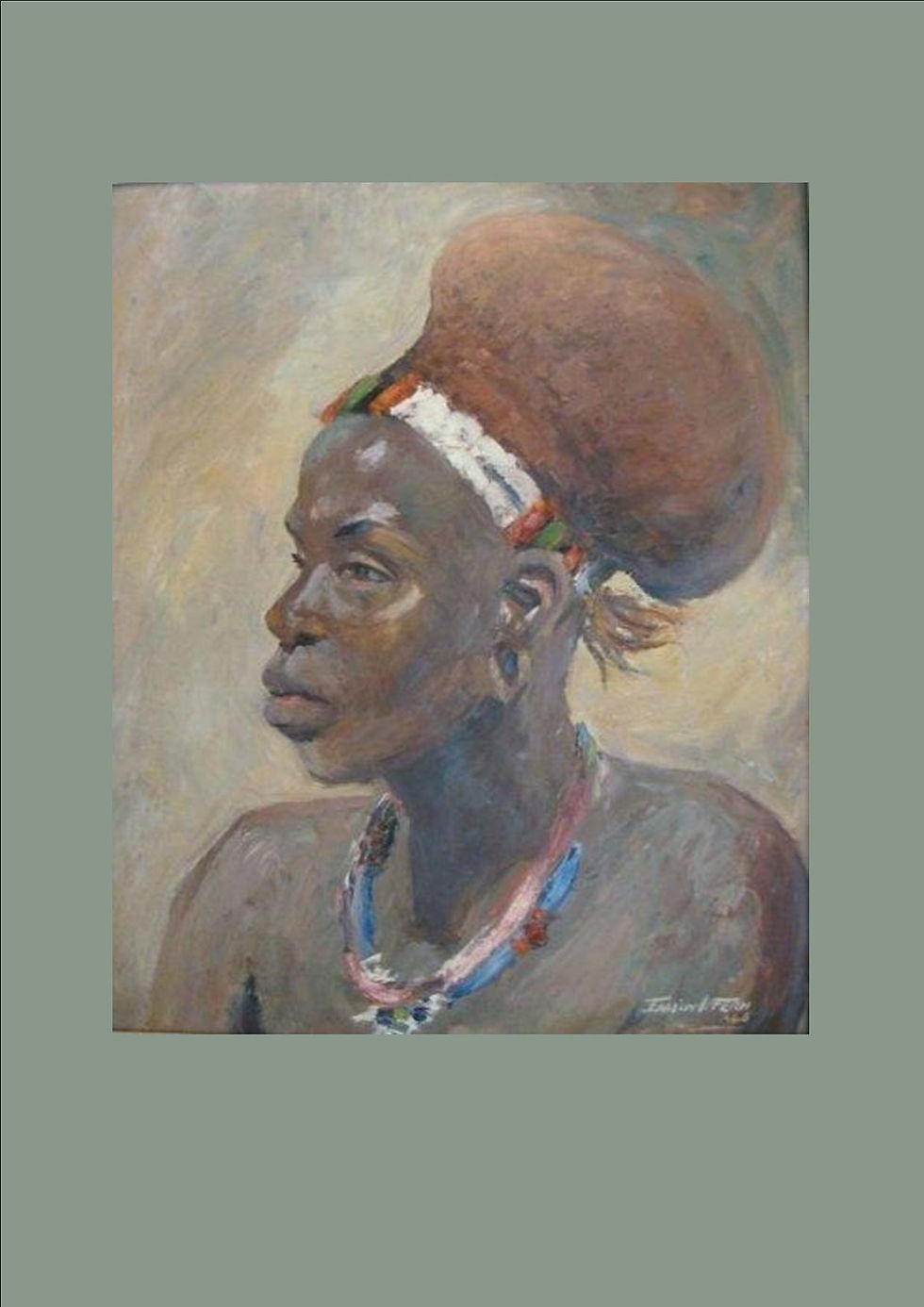
Oil on canvas Signed 32 x 39 cm
Oil on canvas Signed 32 x 39 cm

Oil on board 44 cm x 45 cm
Oil on board 44 cm x 45 cm

Oil on Canvas Dated 2012 75 cm x 57cm
Oil on Canvas Dated 2012 75 cm x 57cm

Oil Signed .Titled 88 x 120 cm
Oil Signed .Titled 88 x 120 cm

Mixed Media and Collage on canvas Signed Dated 16 163 cm x 160 cm
Mixed Media and Collage on canvas Signed Dated 16 163 cm x 160 cm
Mixed Media and Collage on canvas Signed Dated 16 163 cm x 160 cm

Oil on canvas Signed 53 x 106 cm

Acrylic on Board Signed 44 cm x 40 cm
Acrylic on Board Signed 44 cm x 40 cm

Colour Pencil on Paper Signed 16 cm x 11 cm
High Fired Pottery 27.5 cm x 18.7 cm x 18.7 cm

Signed Oil 24 cm x 35 cm
Contemporary South African Art
Bell, Deborah
Born: 1957 Johannesburg
A painter of figures. Works in oil and charcoal.
Studies: 1975-78 University of the Witwatersrand, gaining a BA(FA) in 1977 and a BA (Hons) in 1978; 1981-85 University of the Witwatersrand, under Robert Hodgins (qv), Giuseppe Cattaneo (qv), Paul Stopforth (qv), Professor Alan Crump and Terry King (qv), being awarded and MA(FA).
Profile: A founder member of Possession Arts. 1983-85 a part time lecturer in the Department
of Architecture, University of the Witwatersrand; 1985 a part time lecturer in the Fine Arts Department, University of South Africa; 1986-87
a full time lecturer at the University of South Africa. 1986 spent two months in Cité Internationale des Arts, Paris.
Exhibitions 1982 Market Gallery, Johannesburg, first of two solo exhibitions; she has participated in many group exhibitions from 1983 in SA; 1985 Cape Town Triennial; 1986 University of the Orange Free State, joint exhibition with Sybille Nagel (qv), Johann Moolman (qv) and Keith Dietrich (qv); 1987 (qv) and William Kentridge (qv) touring SA.
Represented Durban Art Gallery; Johannesburg Art Gallery; SA National Gallery, Cape Town; Tatham Art Gallery, Pietermaritzburg; University of Natal; University of South Africa; University of Witwatersrand.
References De Kat December/January 1986 & May 1986; Fair Lady September 1986
See-line Woman Dressed in Red; Makes her Man Lose his Head

See-line Woman Dressed in Red; Makes her Man Lose his Head 2012 Oil on Canvas Signed 120 cm x 50 cm
See-line Woman Dressed in Red; Makes her Man Lose his Head
Following the birrh of her son, Bell turned to watercolours, later switching to diluted acrylic paints, because working with oil paints and turpentine seemed too toxic while breast-feeding a baby. It was almost twenty years before she returned to oils in 2010 in homage to her former teacher and friend, Robert Hodgins, Consciously emulating his practice of using glazes to create figures and objects through colour, she began to allow images and the meanings they generate to emerge through the process of painting.
Always interested in the tactile quality of oils, Bell's shift in medium went hand-in-hand with a renewed concern to explore the carnal lives of women. But unlike her early paintings of lovers trapped in fleshy bodies and claustrophobic interiors, the women who startd emerging from her canvases are single, self-assured and assertive. While some have discarded their red shoes, thereby signaling that they are without artifice, others affirm the control they have over their own destinies by carrying them.
Echoes of Bell's fascination with red shoes, which dates back as far as the early 1990s when she worked on an animated collaborative project with Robert Hodgins and William Kentridge, titled Easing the Passing (of the hours), can be found in the songs of some of rhe musicians she listens to while painting, norably Tom Waits and Nina Simone. She loves Wait's ''Red Shoes by the Drugstore', a song about botching a jewelry store heist, in which a man tries to steal a diamond for his woman because 'he loved the way she looked in those red shoes.'
But as the title suggests, See-line woman also invokes a 19th century American folk song, famously recorded by Nina Simone in 1964. Originally about prostitutes - sea
lions waiting for sailors as they disembark from their boats, the song celebrates the
power of women who make men lose their heads: 'Empty his pockets and wreck his days, Make him love her, And she'll fly away', Having achieved her goal, the woman
in rhe Nina Simone rendition bends down, picks up her shoes and throws them over her shoulder, before turning around and walking away.
Sandra Klopper

Gouache Collage Charcoal Pastel Watercolour 150 cm x 113 cm

Water Colour and Pastel Signed Bell and Dated 2003 70 cm x 50 cm

Oil on Paper Signed 1987- 89 97 x 50 cm

Watercolor and Pastel Signed Bell Dated 2003 70 cm x 50 cm

Mixed Media Signed and Dated BELL 06 118.5 cm x 160 cm

Lithograph Signed 1957; Artists Proof. 29 cm diameter